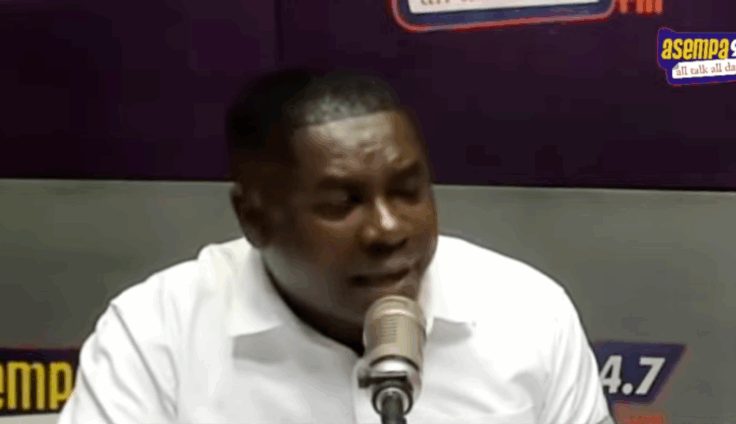
Member of Parliament for Tano North, Dr. Gideon Boako, has sharply criticised Finance Minister’s explanation for Ghana’s increasing public debt, labelling it inconsistent and indicative of a “lack of understanding of debt dynamics.”
In a strongly worded statement titled “Double-Tongued Minister for Finance,” Dr. Boako, a member of the New Patriotic Party (NPP), challenged the Minister’s recent assertions linking fluctuations in the public debt to changes in the cedi’s exchange rate.
“When debt levels fall they credit that to currency appreciation, and when debt levels rise, they also blame it on appreciation,” Dr. Boako wrote, questioning the rationale behind the government’s communication.
The Tano North MP pointed out that the government had previously touted the cedi’s strength as a contributing factor to a reduction in the national debt.
“They were bragging that the stronger cedi helped to reduce the debt stock so why this contradiction?” he asked.
Dr. Boako argued that a currency appreciation cannot directly lead to an increase in debt. He described as misleading the attribution of the recent over GH₵71 billion rise in public debt to exchange rate fluctuations, particularly the cedi’s depreciation from approximately GH₵10.4 to GH₵11.4 against the US dollar in the last three months.
“You came to meet a foreign-currency denominated debt level that had been assessed with an exchange rate at 14.3 to the dollar at the end of 2024,” Dr. Boako stated. “Now the exchange rate is around 11.4 to the dollar, and the debt stock has gone up and you attribute that to exchange rate pressures.”
While acknowledging that currency movements can indirectly impact debt through factors like capital flows, Dr. Boako maintained that the recent depreciation was not substantial enough to justify the significant increase in the debt stock.
“This clearly shows a complete lack of understanding of the debt dynamics,” Dr. Boako concluded, calling on the Finance Minister to provide a clearer and more coherent explanation of the situation.
This critique comes amid growing public concern regarding the government’s economic communication. Ghana’s debt levels and the management of public finances remain a key topic of debate across the political spectrum, especially as the country continues to recover from the pandemic and faces external economic challenges.
Image Source: MYJOYONLINE