Minority demands clarity on Ghana’s decision to defer Ramaphosa visit amid xenophobic concerns

Ghana’s Decision to Defer Ramaphosa Visit Sparks Calls for Transparency
The Ghanaian government’s decision to defer a proposed state visit by South African President Cyril Ramaphosa has ignited a debate over transparency and citizen safety, with parliamentary minorities demanding detailed explanations for the diplomatic maneuver.
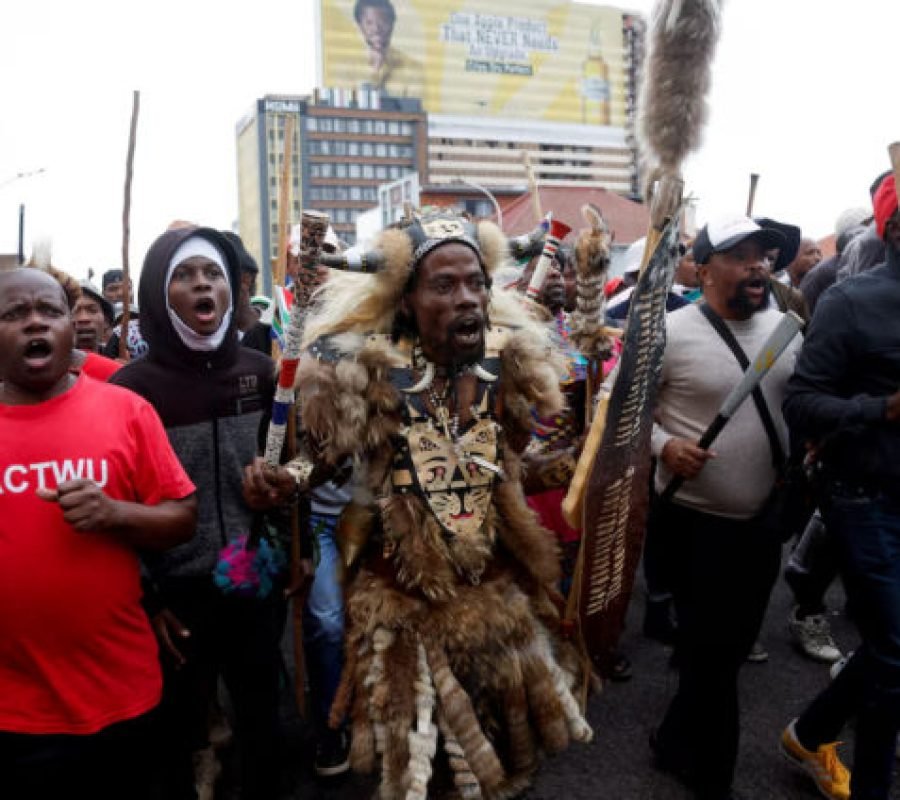
The deferral, announced amid escalating xenophobic violence in South Africa, reflects Ghana’s prioritization of protecting its nationals abroad. Approximately 1,000 Ghanaian citizens have already been repatriated from South Africa, with hundreds more awaiting evacuation amid reports of targeted attacks against foreign nationals. This substantial evacuation effort underscores the severity of the situation facing Ghanaian migrants and workers in South Africa, where periodic outbreaks of anti-foreigner violence have historically disrupted livelihoods and prompted emergency evacuations.
In parliament, the Minority Caucus has expressed frustration over what it characterizes as insufficient information from the executive branch. Nana Asafo-Adjei Ayeh, Deputy Ranking Member on the Foreign Affairs and Regional Integration Committee, articulated the minority’s position: “We do not have enough information as it stands now.” The minority seeks clarity not to oppose the government’s protective measures but to engage constructively in oversight and policy formulation. Their demand for transparency stems from a constitutional responsibility to scrutinize executive actions, particularly those involving international relations and citizen welfare abroad. Without access to security assessments, evacuation timelines, and diplomatic communications, legislators cannot effectively evaluate whether the government’s response is proportionate and timely.
Government communications minister Felix Kwakye Ofosu sought to reassure the public, emphasizing that bilateral relations remain “cordial” despite the deferral, a position consistent with the government’s earlier rejection of claims of diplomatic rift. He noted that Ghana has expressed disapproval of the violence while maintaining esteem for the South African government and people. The minister highlighted ongoing repatriation efforts as evidence of Ghana’s commitment to citizen safety without damaging diplomatic ties. This balancing act between protecting citizens and preserving diplomatic relationships presents a complex challenge for Ghanaian foreign policy, especially given the significant economic ties between the two nations, including trade agreements and investment flows.
The situation presents a delicate balance between immediate protective actions and long-term diplomatic relations. While the government frames the deferral as a temporary safety measure, parliamentarians argue that informed consent requires transparency about the security assessments that prompted the decision, the detailed progress of evacuation operations, and concrete plans for future engagement once conditions improve. Without such information, legislative oversight becomes speculative rather than substantive, potentially undermining the system of checks and balances designed to prevent executive overreach.
This episode underscores recurring challenges in managing diaspora safety amid regional instability. Ghana’s approach — prioritizing citizen welfare while preserving diplomatic channels — offers a model worthy of scrutiny, provided the executive branch fulfills its obligation to keep parliament and the public adequately informed. The tension between executive action and legislative oversight is particularly acute in foreign policy matters, where information asymmetry often limits parliamentary effectiveness. Similar situations have arisen in the past regarding citizens in other conflict-prone regions, suggesting a need for standing protocols on evacuation and communication.
As repatriation operations continue, the need for clear communication becomes paramount. Both government and minority voices agree on the importance of maintaining Ghana-South Africa relations, but diverge on the information necessary to sustain public trust and effective oversight. The resolution of this debate will likely shape how Ghana responds to similar crises in the future, establishing precedents for transparency in executive decisions affecting citizen safety abroad. Moving forward, establishing regular briefings to the parliamentary foreign affairs committee during such crises could serve as a constructive compromise between executive action and legislative oversight.