MFWA Demands Reform After Govt-Backed Arrests of Bloggers, Activists
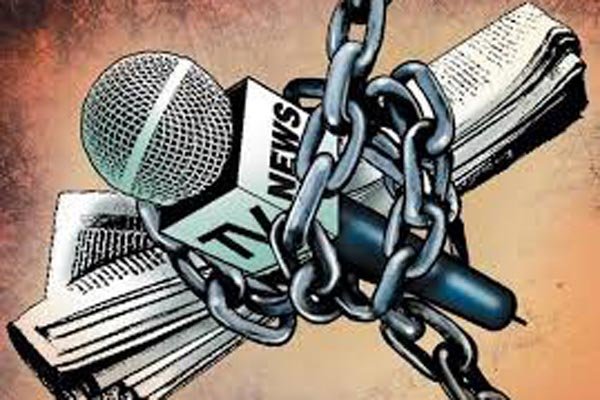
The Media Foundation for West Africa (MFWA) has raised serious concerns about the increasing number of arrests and detentions of bloggers and activists in Ghana, purportedly under the guise of combating false news.
The civil society organisation warns that this trend poses a significant threat to freedom of expression and could erode the democratic gains Ghana has made over the years.
In a statement released on Wednesday, the MFWA highlighted the recent arrest of Wendell Nana Yaw Yeboah, an activist with Democracy Hub, as a particularly troubling case. Yeboah was detained on November 26, 2025, by the Criminal Investigations Department (CID) following a petition from the Ashanti Democrats, who alleged he made unsubstantiated claims linking three Regional Ministers to illegal mining activities.
The MFWA pointed out that Yeboah had already issued a formal retraction and apology on November 18, admitting the claims were without foundation. Despite this, authorities proceeded with his arrest, a move the MFWA finds deeply concerning.
Other recent incidents include the arrest of blogger Samuel Amadotor on November 20, following a complaint lodged by a former National Communications Authority official, and the detention of Bono Regional NPP Chairman Kwame Baffoe in September over critical comments directed at the Inspector General of Police.
The situation escalated in August when Akyemkwaa Nana Kofi Asare, a presenter with Wontumi TV, was reportedly abducted by unidentified individuals and subsequently found at Police Headquarters in Accra after making controversial statements linking President John Mahama to a fatal military helicopter crash. TikTok content creators, Fante Comedy and Akosua Jollof, were also arrested in connection with comments made during a live session regarding the same incident.
“These incidents reflect a worrying trend where state security apparatus, including the police and National Security, are deployed to intimidate critics rather than protect public peace,” the MFWA stated.
The organisation has criticised the continued use of Section 208 of the Criminal Offences Act 1960 (Act 29) and Section 76 of the Electronic Communications Act 2008 (Act 775), referring to them as the “Twin Laws” that remain in effect despite the repeal of the Criminal Libel Law.
Analysts have cautioned that these provisions are being applied arbitrarily to silence dissenting voices. While the government’s proposed Misinformation, Disinformation, Hate Speech and Publication of Other Information (MDHI) Bill 2025 aims to repeal the twin laws, the MFWA argues that the new legislation carries the risk of reintroducing similar restrictions through overly broad definitions of hate speech.
The MFWA is calling for immediate action, urging authorities to drop criminal charges against all those affected, guarantee full constitutional rights to individuals in custody, and prioritize civil remedies over custodial punishment in cases involving speech. They also advocate for legislative reform, specifically the repeal of Sections 208 and 76, and a comprehensive review of the MDHI Bill to ensure it reinforces non-criminal avenues for resolving disputes.
“Ghana’s reputation as a beacon of media freedom in Africa is under threat. The nation cannot claim to champion free expression while arbitrary arrests for speech offences continue,” the MFWA asserted. The organisation emphasized that civil remedies, such as rejoinders, arbitration by the National Media Commission, or civil defamation suits, are adequate for addressing reputational concerns without infringing on citizens’ liberties.
Image Source: MYJOYONLINE