Mass School Kidnappings in Nigeria: A Persistent Threat to Education
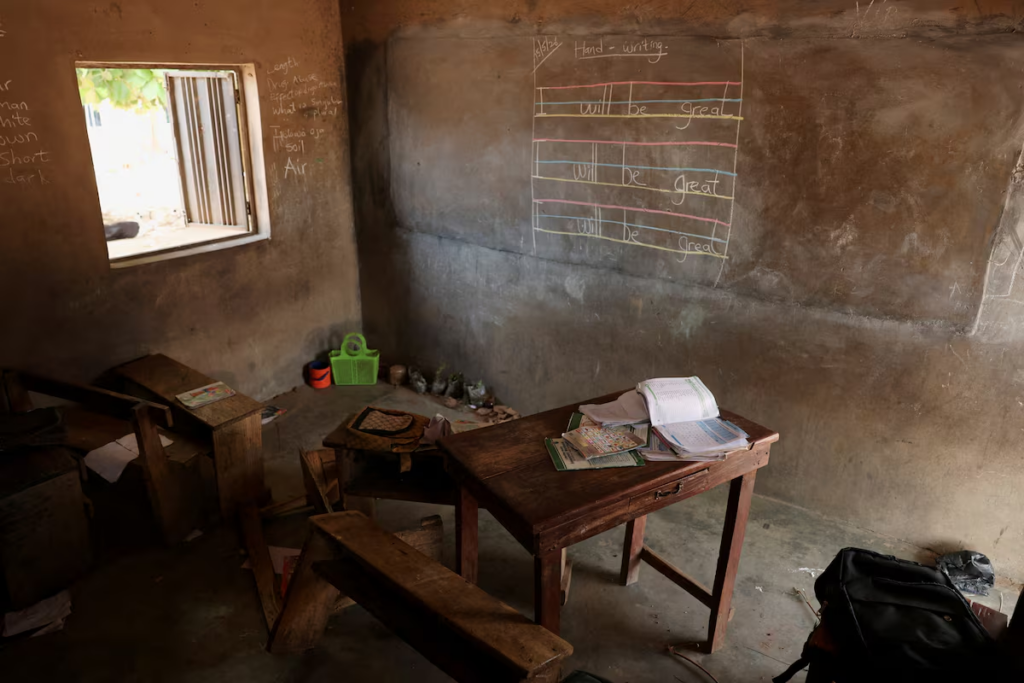
In Nigeria’s northeast, a recent attack on a secondary school in Borno state has reignited fears of a persistent threat to education, with at least 36 children and a staff member abducted by gunmen. This incident marks the third mass school abduction in the country since May, underscoring a disturbing pattern of violence that has plagued Africa’s most populous nation for over a decade.
On June 29, gunmen stormed a school in Borno state while students were sitting exams, abducting numerous pupils. Authorities reported that eight of the kidnapped students have since been rescued, but the fate of the remaining victims remains uncertain. The attack occurred during a critical examination period, compounding the trauma for students and families already burdened by regional instability.
This latest incident follows two similar abductions in May. In the southwestern Oyo state, armed men kidnapped at least 39 schoolchildren and seven teachers, resulting in the death of one teacher during captivity. Despite rescue attempts by security personnel, which led to wounded officers, the majority of the victims remain in the hands of their captors, their whereabouts unknown. Concurrently, in Borno state, suspected militants seized 42 students from a primary and junior secondary school, with none released as of the time of reporting, leaving families in anguish and communities on edge.
Looking back, the trend extends further into 2025. In November, gunmen attacked a Catholic school in Niger State, taking 12 staff members hostage; they were released after a month following negotiations, though the psychological toll endures. In the same month, in Kebbi state, gunmen killed a vice principal and abducted 25 students, who were later freed after a tense standoff that resulted in no further casualties. Earlier in the year, in March, gunmen targeted a school in Kaduna state, seizing an unspecified number of students and staff; the government subsequently denied allegations of ransom payments, a claim met with skepticism by local observers.
The historical context reveals an even more grim timeline. In July 2021, armed men raided a Baptist school in Kaduna state, leading to abductions that were resolved only after ransom payments, with students released in batches over several weeks. The following May, an Islamic school in Niger state was attacked, resulting in the deaths of six pupils in captivity, with 15 escaping and the remainder released after three months, leaving deep scars on the survivors. In February 2021, a notorious incident saw at least 279 girls abducted from a government school in Zamfara state, subjected to beatings during a forced march into a forest before their release days later, an event that drew widespread international concern. December 2020 brought another boarding school abduction in Katsina state, claimed by Boko Haram, with students freed by security forces a week later, though the group’s influence in the region remains undiminished.
The roots of this crisis trace back to April 2014, when Boko Haram abducted 276 girls from a government school in Chibok, Borno state. This act garnered international condemnation and sparked the global “Bring Back Our Girls” campaign, which continues to advocate for the return of the missing girls. Despite efforts, the non-profit Murtala Muhammed Foundation reports that at least 89 of those girls remain unaccounted for, their fate a lingering mystery that underscores the enduring nature of the conflict.
The persistent targeting of educational institutions by armed groups highlights a systemic failure to protect Nigeria’s youth. As the country grapples with insecurity in its northeast and other regions, the safety of schools remains a critical concern, demanding urgent and sustained action from authorities to prevent further tragedies. Experts advocate for a multifaceted approach that includes strengthening security around schools, addressing the root causes of insurgency, and providing psychosocial support to affected communities. Without such measures, the cycle of violence is likely to continue, depriving generations of Nigerian children of their right to education and a safe childhood.
Image Source: MYJOYONLINE