Health Experts Warn: Nearly One in Five Ghanaians May Have Undiagnosed Kidney Disease
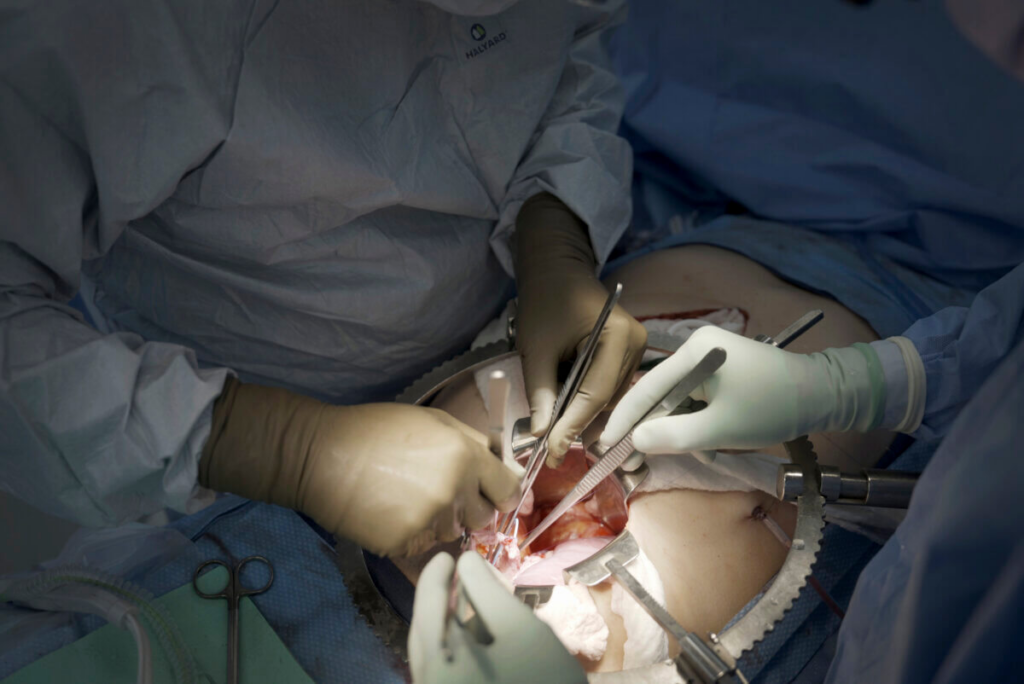
Health specialists are sounding the alarm over a silent epidemic sweeping across Ghana, warning that nearly 20% of the population may be living with chronic kidney disease (CKD) without knowing it, as cases continue to surge nationwide at an alarming rate.
The warning comes as hospitals across the country report unprecedented numbers of patients presenting with kidney disease, many of whom only seek medical care after the condition has progressed to its final stages, leaving dialysis or kidney transplantation as the only viable treatment options.
Dr. Mensah Amoah, a consultant nephrologist at the Korle Bu Teaching Hospital, provided a sobering assessment of the situation’s geographic reach, noting that the burden is no longer confined to a few specialized facilities but has become a nationwide concern.
“Countrywide, not just at Korle Bu, hospitals are recording very high numbers of kidney disease cases. Clinicians are increasingly diagnosing glomerular diseases—conditions that damage the kidneys’ filtering units—in communities where such cases were previously uncommon,” he said, highlighting the disease’s spread beyond traditional risk areas.
The stealthy nature of chronic kidney disease presents a significant challenge to early detection efforts, as the condition often develops silently with few or no noticeable symptoms until significant kidney damage has already occurred.
“Chronic kidney disease often develops silently, with many patients experiencing no symptoms until the disease has significantly damaged the kidneys,” Dr. Amoah explained, explaining why so many cases go undetected until advanced stages.
This delayed diagnosis represents one of the most significant obstacles facing Ghana’s healthcare system in addressing the growing kidney disease burden, as patients typically present for treatment only when less invasive interventions are no longer effective.
Medical experts are urgently recommending that Ghanaians undergo regular preventive health screenings, particularly annual check-ups that include kidney function tests, blood pressure monitoring, and blood sugar assessments, as essential tools for early detection.
Health professionals are also emphasizing the importance of preventive lifestyle measures, including regular physical activity, balanced nutrition, and effective management of existing chronic conditions like hypertension and diabetes, which are known risk factors for kidney disease development.
The warning comes amid growing concerns about the country’s capacity to manage the increasing number of patients requiring specialized renal care, with dialysis treatment remaining inaccessible for many due to high costs and a limited number of treatment centers nationwide.
Public health experts warn that without substantial investment in prevention strategies, early detection programs, and public education initiatives, Ghana could face an even greater burden of chronic kidney disease in the coming years, placing additional strain on an already stretched healthcare system.
Environmental factors, including pollution from illegal mining activities, are believed to be contributing to the rising trend alongside established risk factors such as hypertension and diabetes, creating a complex public health challenge that requires comprehensive intervention strategies.
Image Source: MYJOYONLINE