Gyms in Ghana are becoming silent death traps due to lack of screening, CPR readiness, and toxic fitness culture
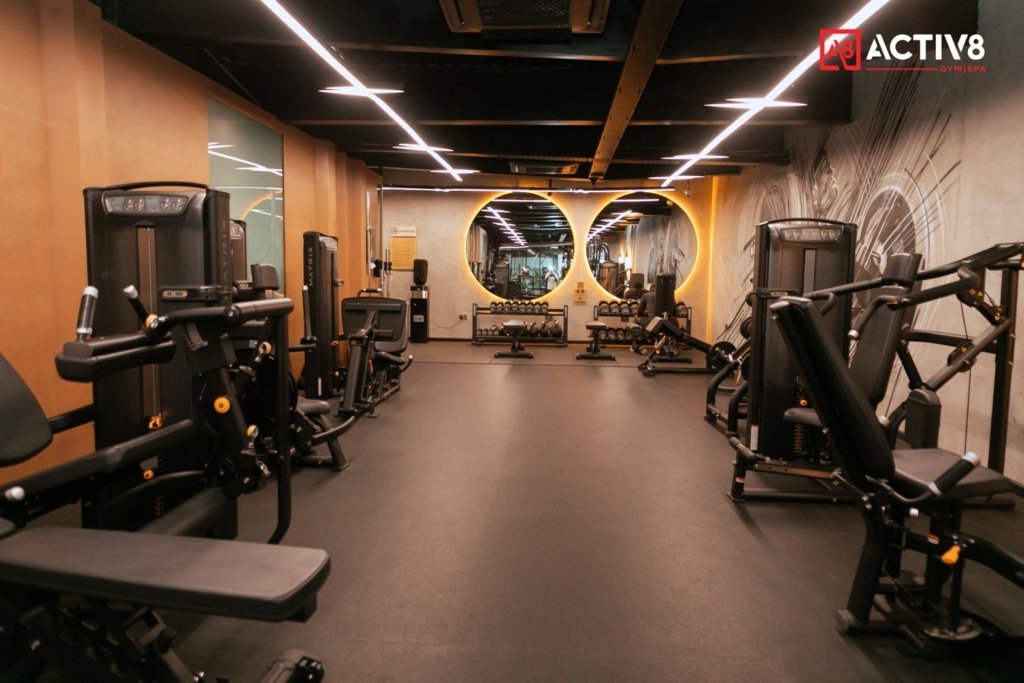
Gyms in Ghana are increasingly becoming sites of preventable death due to a lethal combination of inadequate health screening, lack of emergency preparedness, and a toxic fitness culture that glorifies intensity over safety. This alarming trend was highlighted following the collapse of former Vice President Paa Kwesi Amissah-Arthur at the Air Force Gym in Accra, an incident that shocked the nation but failed to spark lasting reform.
Despite the tragedy, many gyms continue to prioritize membership sales over basic health checks. Enrollment forms typically collect payment details while overlooking critical medical risk factors such as blood pressure, cholesterol levels, family history of heart disease, and resting heart rate. Without routine cardiovascular assessments, individuals with undiagnosed hypertension or heart conditions are exposed to intense exercise regimens that can trigger fatal cardiac events.
Emergency preparedness remains woefully inadequate. Few gyms employ staff trained in CPR or first aid, and essential equipment like automated external defibrillators (AEDs) are rarely available. When cardiac arrests occur, the absence of a coordinated response—clear emergency procedures, accessible first-aid kits, and rapid ambulance access—dramatically reduces survival chances. Bystanders often panic, lacking the knowledge to perform life-saving interventions, while emergency medical services may face delays due to poor access or unclear location details.
The prevailing “no pain, no gain” mindset exacerbates these risks. Fitness culture in many Ghanaian gyms encourages members to push through warning signs such as chest tightness, breathlessness, palpitations, dizziness, and radiating pain, treating them as signs of weakness rather than potential cardiac distress. Mirrors and social media further distort the purpose of exercise, turning it into a performance aimed at achieving aesthetic ideals rather than improving health. This environment fosters insecurity-driven workouts, where individuals exercise not for well-being but to avoid judgment, aging, or feelings of inadequacy.
Underlying these immediate dangers are broader societal stressors. Chronic stress, burnout, long working hours, poor sleep, hypertension, obesity, poor nutrition, stimulant dependence, and sedentary lifestyles create a population whose cardiovascular systems are already compromised before they even step into a gym. When such individuals engage in sudden, intense physical activity, their bodies may be unable to cope, leading to arrhythmias, heart attacks, or other fatal events.
Experts advocate a multi-pronged approach to reverse this trend. First, gyms should implement mandatory health screening at enrollment, including blood pressure checks and medical history reviews. Second, staff must receive regular training in CPR, first aid, and recognition of cardiovascular warning signs. Third, gyms need functional emergency response systems: clearly marked procedures, readily available first-aid kits, and established links with emergency medical services. Fourth, public health campaigns should promote CPR as a basic life skill, integrating training into schools, workplaces, churches, and community centers. Finally, regulatory bodies must establish and enforce safety standards for fitness facilities, including instructor certification and emergency preparedness requirements.
Addressing these issues requires a shift in perspective: gyms should not be viewed merely as profit-driven enterprises but as health institutions with a duty of care. By aligning profit motives with public health goals, Ghana can transform its fitness centers from potential death traps into genuine promoters of well-being, ensuring that the pursuit of strength and endurance does not come at the cost of life.