GTEC Flags 70 Unrecognised Institutions, Warns Public on Questionable Qualifications
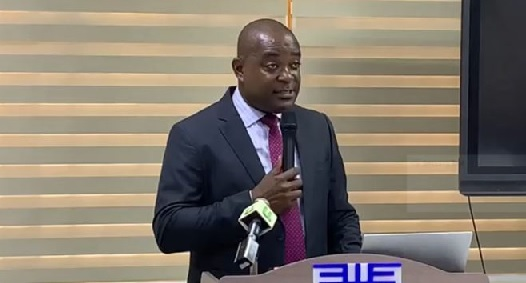
The Ghana Tertiary Education Commission (GTEC) has placed 70 academic institutions on notice, declaring that their qualifications are not recognised in the country due to unresolved quality assurance concerns. The announcement, made in an official statement on May 28, 2026, affects a sweeping range of institutions operating in Ghana and across more than a dozen countries worldwide.
The list spans universities, business schools, theological seminaries, management institutes, and distance-learning providers. Among those flagged within Ghana’s borders are Debest College of Science, Arts and Business; Faith University Seminary; Doxa Open University; Quest International University; the Electrical and Mechanical Engineering Training School; Kingdom Living Bible Institute in Kumasi; Global Professional College in Effiduase; and Volta University College.
Internationally, the commission drew attention to institutions such as Atlantic International University, Akamai University, Monarch Business School, Swiss Management Centre University, Selinus University of Sciences and Literature, Texila American University, and LIGS University — many of which deliver programmes primarily through online or transnational channels.
A Cautionary Signal for Students and Employers
GTEC urged students, parents, employers, and professional bodies to exercise due diligence before enrolling in academic programmes or accepting credentials from prospective employees. The commission recommended that stakeholders verify the status of any qualification in question with the relevant authorities before making commitments.
The warning carries particular weight for the thousands of Ghanaians who pursue higher education through non-traditional routes — a concern echoed in recent discussions about equipping young people with the right skills for a changing economy, including online programmes and foreign-affiliated colleges that have proliferated in recent years. With the cost of tertiary education rising and demand for qualifications intensifying, many students have turned to institutions offering flexible or affordable pathways — some of which may not meet the country’s regulatory standards.
The move also raises questions about the employment prospects of graduates who hold credentials from the listed institutions. Employers in both the public and private sectors routinely require verification of academic qualifications, and the GTEC’s announcement could prompt a reassessment of hiring practices across industries.
A Broader Quality Assurance Challenge
Ghana’s tertiary education landscape has expanded rapidly over the past two decades, with new institutions emerging to serve a growing youth population. However, the regulatory framework has struggled to keep pace. The GTEC’s decision to publicly name 70 institutions signals a more assertive posture from the commission, which was established to oversee quality assurance across the country’s higher education sector.
The inclusion of institutions from countries as diverse as the United States, United Kingdom, Switzerland, India, Mexico, Nigeria, Zambia, Italy, France, Guyana, Germany, Costa Rica, Cambodia, Barbados, and Andorra underscores the global nature of the challenge. In an era of cross-border education and digital learning, the boundaries of quality assurance have become increasingly difficult to police.
For Ghana’s young population — where tertiary enrollment continues to grow — the stakes are high. A qualification that fails to meet national standards can derail career prospects, waste years of study, and undermine public confidence in the education system as a whole. The GTEC’s intervention, while raising alarm, is ultimately a protective measure aimed at safeguarding the value of legitimate academic achievement in the country.
Image Source: MYJOYONLINE