Blended Finance Is the Key to Unlocking Infrastructure Funding Across Ghana and Africa, Says Deloitte Partner
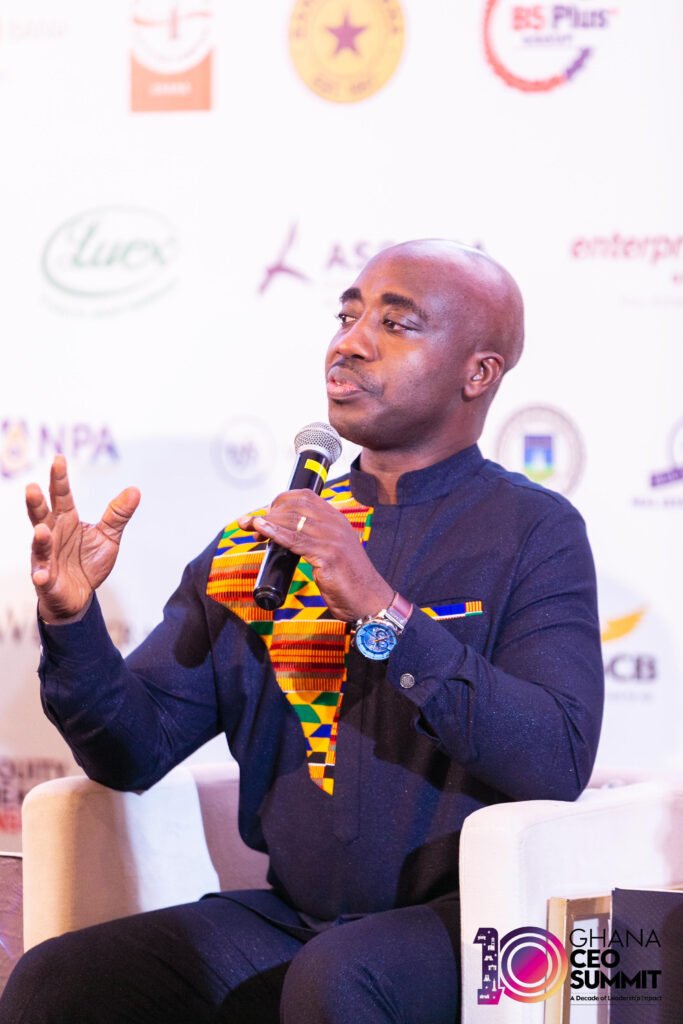
Yaw Appiah Lartey, Deloitte Africa’s Head of Infrastructure and Capital Projects and Partner in Strategy and Transactions, has made a compelling case for the adoption of blended finance as a critical tool for bridging the funding gap that continues to stall infrastructure and business development projects across Ghana and the wider African continent.
Speaking during a panel discussion at the 10th Ghana CEO Summit, Mr Appiah Lartey highlighted the significance of blended finance in addressing what he described as the “missing middle” in Africa’s financing landscape — a zone where projects seeking between US$1 million and US$5 million often struggle to attract capital from any single source.
Blended finance is a strategic approach that combines public, philanthropic, and commercial capital to fund sustainable development projects. In practice, it brings together development finance institutions, governments, and private investors in a structure that distributes risk more equitably and makes otherwise marginal projects viable.
According to Mr Appiah Lartey, commercial banks in Ghana are generally unable to finance projects beyond a certain threshold, while international investors and financiers typically prefer larger transactions above US$5 million due to the costs involved in structuring and executing deals. This creates a financing vacuum for mid-sized projects that are too large for local lenders but too small for global capital markets.
“As advisors, we act as intermediaries between the developers and the lenders or financiers,” he explained, noting that firms such as Deloitte help structure projects and connect developers with suitable sources of funding. The advisory role, he suggested, is essential in translating project potential into bankable propositions.
Mr Appiah Lartey said blended finance works by combining commercial capital with support from development finance institutions and development partners, which often fund the preparatory and high-risk stages of projects. This includes project preparation, feasibility studies and advisory services that help make investments more attractive to commercial lenders.
He clarified that development partners effectively de-risk projects by absorbing some of the early-stage risks that private financiers are unwilling to take on. Using the example of a salt mining project, he noted that many investors are reluctant to finance ventures at the exploratory stage because of the uncertainty involved. However, once development institutions provide support and help demonstrate the project’s viability, commercial banks become more willing to participate.
The concept of using blended structures to unlock private capital has also gained momentum at the continental level, with the African Development Bank recently announcing plans to become the largest shareholder in an Africa-wide guarantee platform as part of a major de-risking push.
In Ghana, institutions such as the Ghana Infrastructure Investment Fund play an important role in supporting blended finance transactions, while similar entities, including the Development Bank of Southern Africa, perform comparable functions elsewhere on the continent.
Mr Appiah Lartey stressed that such mechanisms are essential for mobilising investment, safeguarding projects and accelerating economic development across Africa, particularly at a time when traditional aid flows are declining and governments are under pressure to do more with less.
Image Source: MYJOYONLINE