Government must act decisively on flooding crisis — GPCC Chairman
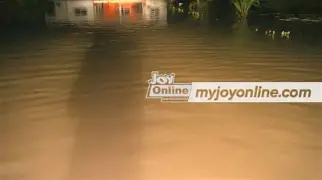
The Chairman of the Ghana Pentecostal and Charismatic Council (GPCC), Apostle Dr Eric Nyamekye, has called on the government to take decisive action to address the nation’s persistent flooding crisis, citing poor sanitation and unregulated development as key culprits.
Speaking at the opening ceremony of the GPCC 2026 National Delegates Conference at the Oil Dome of Royal House Chapel on Wednesday, June 24, Nyamekye expressed frustration at the annual recurrence of devastating floods despite repeated government assurances.
“It is a bit frustrating that every year we hear about cases of flooding. We make all the promises, and before we know it, the same thing happens again the following year,” he said an area where we think the government should provide leadership.”
Nyamekye argued that stronger enforcement of sanitation laws is essential to deter irresponsible practices that exacerbate flooding and other environmental challenges. He recalled how, in the past, entities like the Town Council actively arrested and fined offenders for dumping refuse into gutters, suggesting that tough legislation is needed to curb such tendencies.
“The government has a part to play, and so do we as citizens,” he added, highlighting the continued construction of buildings in flood-prone areas as a symptom of ineffective planning authorities. “We may not have to wait and go around demolishing buildings that did not appear out of the blue. Where are our town planners then?”
Beyond urging government intervention, Nyamekye emphasized the role of Christians and the wider public in supporting flood-affected communities, noting that sympathy alone is insufficient. Given that approximately 70% of Ghanaians identify as Christian, he contended that the faithful must extend tangible financial assistance to victims.
He disclosed that the GPCC had already provided financial aid to some flood victims in Samreboi and encouraged others to contribute to relief efforts. “Only yesterday, we had to send some money to some of the affected people in Samreboi so they could get food to eat. We want to encourage others to also help us in that regard,” he said.
The GPCC’s appeal comes as Ghana grapples with yet another round of destructive floods, which have displaced residents, damaged infrastructure, and raised concerns about the country’s preparedness for climate-related disasters. Experts warn that without significant improvements in urban planning, waste management, and enforcement of building codes, the cycle of flooding and recovery is likely to persist.
In recent years, Ghana has experienced increasingly severe flooding events, particularly in urban areas like Accra and Kumasi, where rapid urbanization has outpaced the development of adequate drainage systems. The World Bank has estimated that flooding costs the Ghanaian economy millions of dollars annually in damages and lost productivity.
While the government has launched various flood control initiatives, including the construction of drainage channels and retention basins, critics argue that these efforts are often undermined by poor maintenance and illegal encroachment on waterways.
Nyamekye’s call for tougher sanctions against those who dump waste in gutters and unauthorized construction in flood zones reflects a growing consensus among civil society groups that preventive measures must be strengthened to break the cycle of disaster and response.
As the rainy season intensifies, the GPCC chairman’s remarks serve as a timely reminder that addressing Ghana’s flooding challenge requires coordinated action from government institutions, traditional authorities, and citizens alike.
Investing in resilient infrastructure is not merely an environmental imperative but also an economic necessity. Studies show that every dollar spent on flood prevention can save up to seven dollars in disaster recovery costs. For a country like Ghana, where agriculture and informal settlements are particularly vulnerable to water-related disasters, proactive measures could safeguard livelihoods and promote sustainable development.
The GPCC chairman’s call for action aligns with the United Nations’ Sustainable Development Goals, particularly Goal 11 on sustainable cities and communities and Goal 13 on climate action. By heeding this advice, Ghana has an opportunity to transform its approach to flood management from reactive crisis response to proactive risk reduction.
As the nation prepares for the peak of the rainy season, the urgency of Nyamekye’s message cannot be overstated.