Xenophobia in Africa: A pattern beyond South Africa
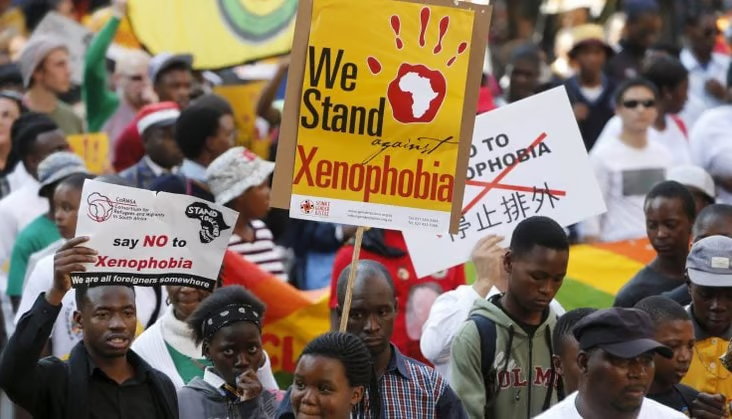
Xenophobia in Africa: A pattern beyond South Africa
Recent outbreaks of xenophobic violence in South Africa have reignited continental debates about the treatment of foreign nationals, but historical evidence shows such hostility toward Africans by Africans is a recurring pattern across the region, rooted in economic anxiety and political exploitation rather than inherent prejudice.
While South Africa’s recent attacks on migrants under President Cyril Ramaphosa have drawn international condemnation, scholars emphasize that the phenomenon is not new or isolated to the rainbow nation. Historical precedents abound: in 1969, Ghana’s Prime Minister Kofi Abrefa Busia enacted the Aliens Compliance Act, forcing over 200,000 foreigners — including an estimated 140,000 Nigerians — to leave the country. More than a decade later, Nigeria under President Shehu Shagari expelled over two million undocumented migrants in 1983, a move widely seen as retaliation for earlier Ghanaian expulsions of Nigerians. The sudden departures gave rise to the infamous “Ghana Must Go” bags, as displaced foreigners packed their belongings in cheap, checkered luggage. Nigeria’s military government under General Muhammadu Buhari conducted further expulsions in 1985.
South Africa’s own history of xenophobic violence includes deadly outbreaks in 2008 under President Thabo Mbeki, which left approximately 60 people dead and displaced around 50,000 migrants; in 2015 under President Jacob Zuma, resulting in at least seven deaths and thousands displaced; and in 2019 under President Cyril Ramaphosa, triggering deaths, property destruction, and diplomatic tensions. The most recent wave in 2026 has seen looting, widespread displacement, and sharp criticism from regional bodies and human rights groups.
Beyond the usual suspects, expulsions driven by political and security concerns have occurred in Gabon, where authorities removed thousands of Beninese nationals citing alleged threats to national stability rather than economic competition. Similarly, Mauritania experienced ethnic tensions and mass expulsions of Black Mauritanians and Senegalese nationals during the 1989–1991 crisis. Other African nations with documented histories of xenophobic incidents include Ivory Coast, Angola, Libya, Kenya, Tanzania, Egypt, Sudan, and Equatorial Guinea.
According to Vladimir Antwi-Danso, a professor of security and international relations, the underlying driver is often economic. “Anytime an economy faces a downward trend, unemployment rises and inflation is high, ordinary people start to believe that foreigners are to blame,” he explains. Immigrants frequently take on jobs that locals avoid, contributing to sectors such as informal trade, construction, and domestic work. When they leave during expulsions, the economic vacuum can worsen local conditions. “That is the irony of the whole thing: they do not take on the jobs. Some may do so, but in most cases they don’t. The economy becomes worse because these people have left. You see a dent in the economic indices simply because work is not going on well.”
Antwi-Danso cautions against viewing expulsion as a solution. “Influxes of illegal immigrants are a problem for every country, and that is why migration has been securitized. If there must be the expulsion of individuals, it should be done diplomatically, not violently.” He notes that xenophobia often offers a “simple solution” — remove the foreigners and the problems will disappear — but historical evidence shows that underlying challenges such as economic mismanagement, corruption, and structural inequality persist long after migrants depart.
As African nations grapple with migration pressures, experts advocate for comprehensive regional cooperation, investment in job creation for both citizens and migrants, and rigorous enforcement of anti-discrimination laws. Sustainable solutions, they argue, must address root causes rather than scapegoating vulnerable populations.
Image Source: MYJOYONLINE