Government Brings Home 327 Ghanaians Stranded After Cote d’Ivoire Demolitions
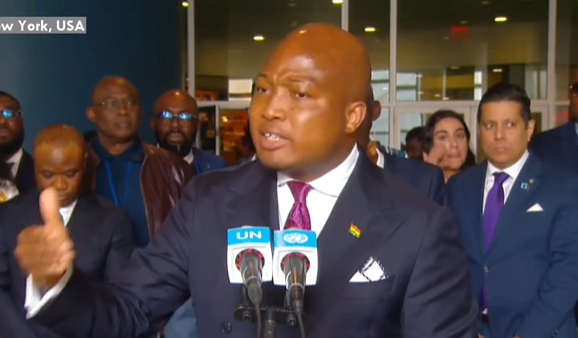
The Ghanaian government has repatriated 327 of its nationals from Cote d’Ivoire after a mass demolition exercise in the Port Bouet municipality of Abidjan left them homeless, jobless, and stranded in a foreign country.
The operation, confirmed by the Ministry of Foreign Affairs on Thursday, saw 228 Ghanaians arrive safely in Ghana on June 11, with the remaining 99 expected to follow on June 12. The government provided buses and trucks to transport the returnees and their belongings free of charge — a logistical undertaking that, while necessary, raises uncomfortable questions about the conditions that made it necessary in the first place.
The demolitions in Port Bouet, a densely populated suburb of Abidjan, displaced not only Ghanaians but also Ivorian nationals and other West African residents. For the Ghanaian community, many of whom had built livelihoods and homes over years or even decades, the exercise was devastating. They lost not just shelter but their means of survival — small businesses, market stalls, and the informal economic networks that had sustained them.
The Ministry of Foreign Affairs noted that Ivorian authorities had expressed a desire to compensate those affected by the demolitions. Ghana’s diplomatic mission in Abidjan has been tasked with following up on this commitment, though the timeline and terms of any compensation remain unclear. Promises of restitution in the aftermath of forced displacement have a mixed track record across West Africa, and affected Ghanaians will be watching closely to see whether words translate into action.
The incident also highlights the precariousness of life for many Ghanaians living in neighbouring countries under the ECOWAS Free Movement Protocol. While the protocol guarantees citizens of member states the right to enter, reside, and establish economic activities in other member states, it offers little protection when host governments undertake urban renewal or demolition exercises. The Ghana Immigration Service has recently raised alarms about the abuse of this very protocol, warning that the framework designed to facilitate regional integration is increasingly being exploited — a concern that takes on added urgency when nationals are left stranded by events beyond their control.
For the returnees, the immediate challenge is reintegration. Many have returned with nothing but the belongings they could carry. The government’s pledge to “intensify efforts to provide the necessary support to ensure the successful return and reintegration of the affected individuals” will need to be backed by concrete resources — housing assistance, livelihood support, and psychosocial care for those who have endured a traumatic displacement.
Ghana’s relationship with Cote d’Ivoire is one of the most significant bilateral partnerships in West Africa, underpinned by shared borders, deep economic ties, and cultural connections. The demolition crisis tests the strength of that relationship. How both governments handle the aftermath — particularly the question of compensation — will send a signal about the real-world value of ECOWAS commitments to free movement and mutual protection of nationals.
For now, 327 Ghanaians are coming home. Whether they find the support they need when they arrive will be the true measure of the government’s commitment.
Image Source: MYJOYONLINE