Gold Fields Points to US$5 Billion Ghana Investment as Mining Lease Debate Intensifies
Gold Fields has disclosed that it has invested approximately US$5 billion in Ghana over the past three decades, a figure the mining company deployed this week as it sought to defend its role in the country’s extractive sector amid intensifying calls for greater local ownership and value retention.
The disclosure, made by Executive Vice President for External Affairs and Investor Relations Jongisa Magagula at the 2026 Ishmael Yamson & Associates Business Roundtable in Accra, comes at a sensitive moment. Public debate over mining lease renewals, resource nationalism and the share of mineral wealth that stays in Ghana has grown sharper in recent months, with student groups and civil society organisations demanding a fundamental rethink of the terms under which foreign firms operate.
Gold Fields insisted that more than 70 per cent of revenue generated from its Ghanaian operations remains within the country, citing payments of approximately GH₵5.8 billion to the government in 2025 through taxes, royalties and dividends—up from GH₵4.4 billion the previous year. The company also pointed to GH₵6.5 billion in procurement from host communities and a further GH₵8.8 billion spent on local suppliers as evidence of its domestic economic footprint.
The figures were presented as a direct, if implicit, response to the growing chorus of voices questioning whether Ghana gets a fair deal from its mining partnerships. The National Union of Ghana Students has been particularly vocal, with its president threatening mass student action should the government proceed with renewing Gold Fields’ lease at Tarkwa without what it considers adequate concessions to Ghanaian interests.
From 12,000 Ounces to Half a Million
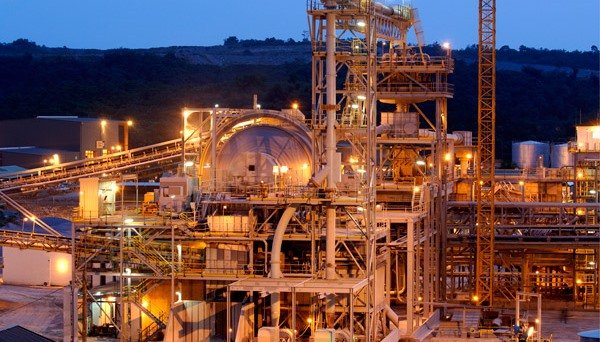
Gold Fields’ case rests substantially on the transformation of the Tarkwa mine. When the company arrived in the early 1990s, after the government invited international firms to assess the state-owned underground operation, it was producing roughly 12,000 ounces of gold annually. After deploying up to 15 drilling rigs and completing more than two million metres of exploration over four years, Gold Fields converted Tarkwa into one of Ghana’s largest open-pit gold mines, now producing approximately 500,000 ounces a year—more than forty times its former output.
The company also announced plans to invest more than US$1 billion in fresh capital over the next three to four years, signalling what it described as continued confidence in Ghana’s mining sector. The mine’s current estimated life span stands at 21 years.
“The rejuvenation of Tarkwa since 1993 was possible because the Government of Ghana created the environment necessary to attract billions of dollars of investment,” Magagula told the roundtable.
Community Spending and the Bigger Picture
Beyond taxes and royalties, Gold Fields highlighted its community development work through the Gold Fields Ghana Foundation, funded by a contribution of US$1 per ounce of gold sold and 1.5 per cent of pre-tax profit. The Foundation has invested more than US$110 million in education, agriculture, healthcare, infrastructure, water and sanitation projects, including 52 schools, 116 boreholes and a 33-kilometre paved road linking Tarkwa and Damang.
The company also drew attention to its long-standing sponsorship of Ghanaian football—including the Black Stars, Black Queens and the Black Challenge amputee team—and a recent US$5 million investment in sports development.
Yet for all the numbers, the fundamental question remains unresolved: how should Ghana balance the undeniable benefits of foreign capital and technology against legitimate demands for deeper national participation in its mineral wealth? Gold Fields’ willingness to invest billions is not in doubt. Whether the terms of that investment will satisfy a public increasingly assertive about resource sovereignty very much is.
Image Source: MYJOYONLINE