Open Letter Urges President to Hold South African Firms Accountable Over Xenophobic Violence
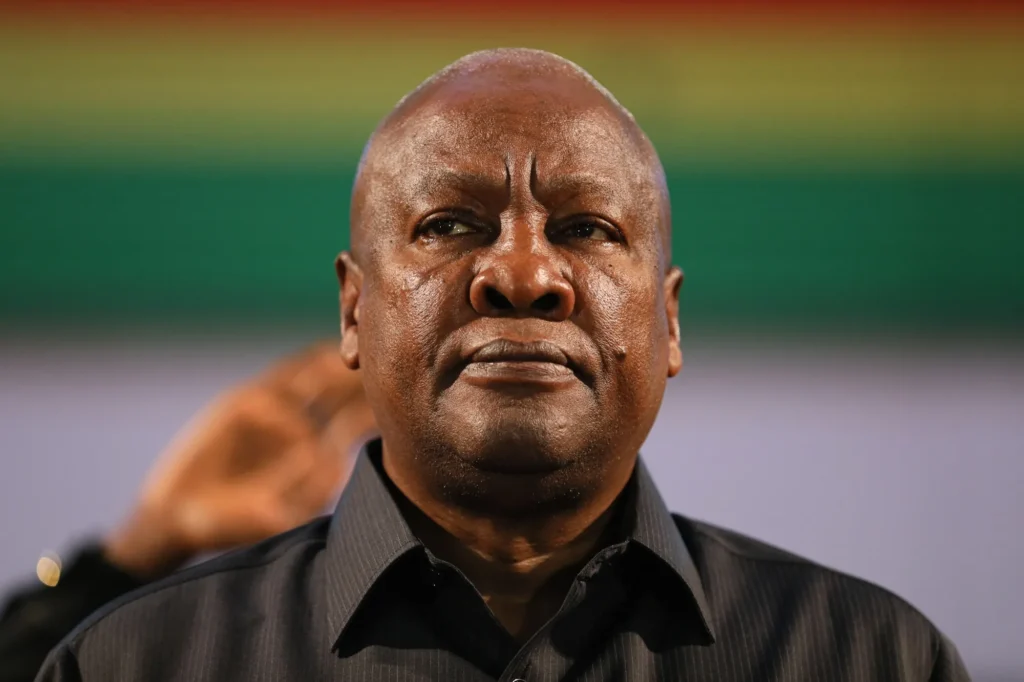
A pointed open letter addressed to President John Mahama has reignited debate over Ghana’s diplomatic response to the xenophobic violence targeting its citizens in South Africa, arguing that economic consequences must follow diplomatic protest.
Written by Evans Mawunyo Tsikata, the letter begins with measured praise for the government’s handling of the crisis, commending the President, the Minister for Foreign Affairs, and the Ghana High Commissioner to South Africa for what the author describes as “courage, responsiveness, and patriotism” in evacuating citizens from danger.
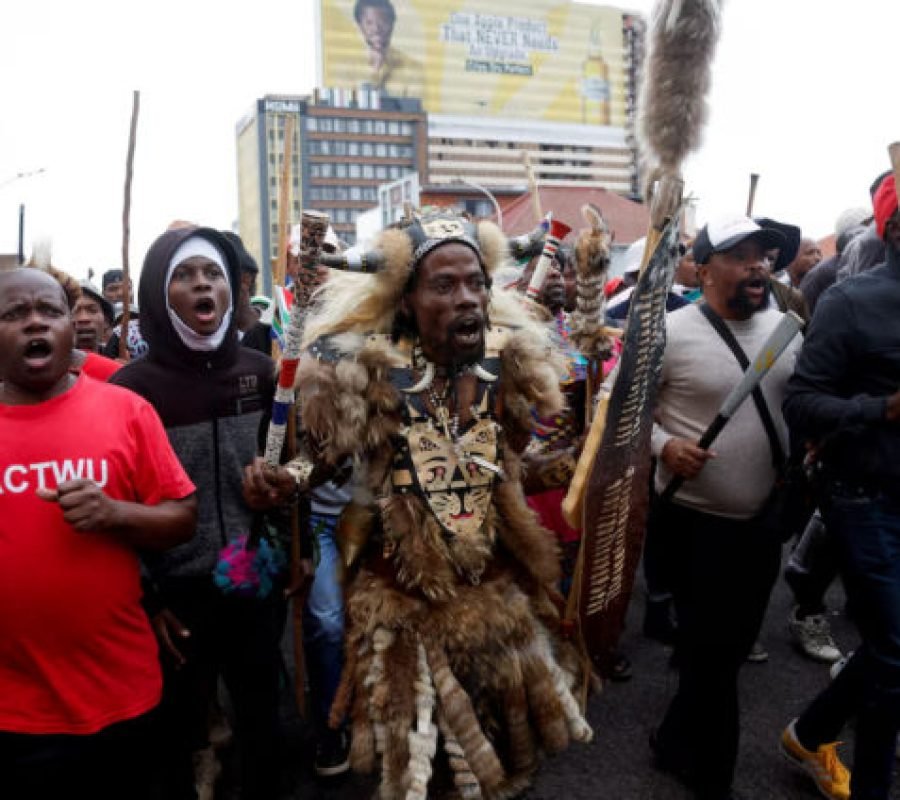
But the gratitude quickly gives way to frustration. Tsikata argues that diplomatic niceties are no longer sufficient when Ghanaians in South Africa continue to face harassment, property destruction, and economic ruin. “Some have returned home with absolutely nothing after years of sacrifice and hard work,” he writes, capturing a sentiment that has echoed across Ghanaian social media and public discourse in recent weeks.
The letter’s central argument is one of reciprocity. South African corporations — MTN and Gold Fields are named explicitly — continue to generate substantial profits from their Ghanaian operations. MTN dominates the mobile telecommunications market, while Gold Fields operates major mining concessions. Both benefit from what Tsikata describes as “peace, security, stability, and a welcoming business environment.”
The government’s evacuation efforts, which have seen hundreds of Ghanaians repatriated, drew rare bipartisan praise. The parliamentary minority commended the operation, though it later urged the government to disregard criticism from Julius Malema, the South African opposition figure who questioned Ghana’s evacuation response.
Tsikata goes further, calling on these companies to “contribute directly to the rehabilitation and reintegration of affected Ghanaians returning from South Africa.” He suggests that Gold Fields’ upcoming lease renewal should be leveraged as a bargaining chip: “No renewal should be granted unless serious commitments are made toward compensation, support, and justice for affected Ghanaian victims.” The call comes as the government continues to register citizens for evacuation, with hundreds more signing up at the High Commission.
The proposal is bold and likely to divide opinion. On one hand, it reflects a growing impatience with a diplomatic approach that critics see as too deferential. On the other, tying corporate licensing to foreign policy outcomes raises complex legal and economic questions. Gold Fields employs thousands of Ghanaians and contributes significantly to the national tax base. Any disruption to its operations would carry consequences for the communities that depend on the mining economy.
MTN, for its part, has already faced scrutiny over its mobile money fees, with the Bank of Ghana recently suspending the implementation of a 0.75 per cent wallet-to-bank transfer charge. Adding xenophobia-related accountability to the company’s plate would represent a significant escalation in public pressure.
The letter arrives at a moment when Ghana-South Africa relations are under unusual strain. Hundreds of Ghanaians have been evacuated, more have registered for repatriation, and calls for African Union intervention have grown louder. Whether the government chooses to act on Tsikata’s recommendations remains to be seen, but the letter has captured a mood of impatience that is unlikely to fade quickly.
Image Source: MYJOYONLINE