Ghanaians Welcome Government Plans for Local Vaccine Manufacturing
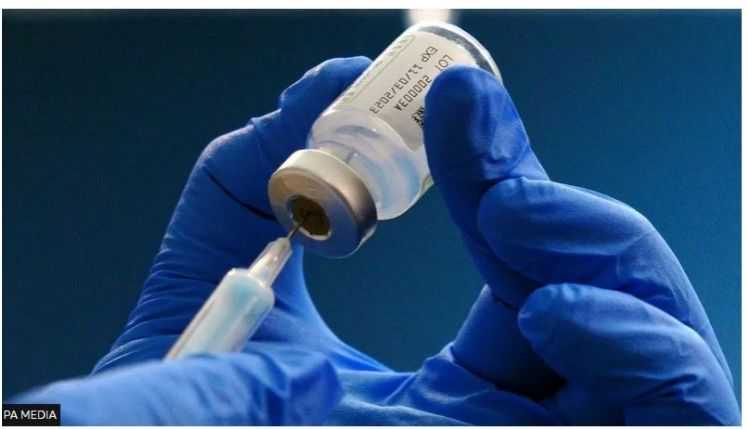
When the government announced its intention to establish local vaccine manufacturing capacity through the National Vaccine Institute, the response from ordinary Ghanaians was striking not for its enthusiasm alone, but for the depth of conviction behind it. Across Accra and beyond, citizens described the initiative as a long-overdue step toward health sovereignty — a chance to reduce the country’s dependence on foreign suppliers and build something durable for the future.
The reaction, gathered by Adom News in a series of street interviews, revealed a public that is both hopeful and clear-eyed about the challenges ahead. Many respondents acknowledged that Ghana has for decades relied on imported vaccines and medicines, leaving the country vulnerable during global supply disruptions. The COVID-19 pandemic made that vulnerability painfully visible, and the memory of it still shapes public attitudes toward health self-sufficiency.
The initiative also comes at a time of significant strain within the health sector, as a recent study found nearly six in 10 health workers in Greater Accra are considering quitting, underscoring the urgency of building domestic capacity.
“For years, we have depended on imported vaccines and medicines. If Ghana can produce its own vaccines, it will be a big achievement for the country,” one respondent said, capturing a sentiment that echoed through nearly every conversation.
The government’s push for local vaccine production is not entirely new. Ghana has made incremental progress in recent years, signing agreements with international partners and investing in the regulatory and scientific infrastructure needed to manufacture pharmaceuticals at scale. But the current initiative, championed through the National Vaccine Institute, represents a more deliberate and accelerated effort to move from aspiration to production.
What made the public response particularly notable was the emphasis on trust and quality. Several respondents said they would have confidence in locally manufactured vaccines, provided the Food and Drugs Authority maintains rigorous oversight. “I trust that the FDA will do its work to ensure that any vaccine produced in Ghana is safe and effective before it reaches the public,” one participant noted. “We should trust them.”
The FDA has already demonstrated its commitment to quality assurance through recent efforts such as tightening drug distribution standards in the Eastern Region, a sign that the regulatory framework may be ready for the challenge ahead.
That trust, however, is not unconditional. Many Ghanaians have long harboured a preference for imported medicines, a perception rooted in historical quality concerns and reinforced by marketing from multinational pharmaceutical companies. The local vaccine manufacturing agenda, respondents suggested, presents an opportunity to challenge that narrative — but only if the products meet international standards.
“We always think foreign products are better, but if our own experts produce vaccines that meet international standards, we should support and trust them,” another respondent said.
The confidence expressed in Ghana’s scientific workforce was a recurring theme. “We have good scientists, doctors and health professionals in Ghana. If they are given the needed support, I believe they can produce quality vaccines for us,” a participant stated. That faith in local expertise, coupled with calls for sustained government investment, suggests that the public understands the initiative not merely as a policy announcement but as a generational project requiring long-term commitment.
Indeed, several respondents urged the government to fast-track implementation and to pair the manufacturing push with public education campaigns. The fear of vaccines — fuelled by misinformation and historical mistrust — remains a real barrier in many communities. Addressing that, respondents argued, is as important as building the factories themselves.
The stakes extend well beyond Ghana’s borders. If the country succeeds in establishing a viable vaccine manufacturing sector, it could position itself as a key pharmaceutical hub for the West African sub-region. The African Union’s own Agenda 2063 has identified local pharmaceutical production as a continental priority, and Ghana’s efforts align with that broader ambition.
The public response to the government’s vaccine manufacturing plans reflects a country that is ready to invest in its own capacity — and expects its leaders to match that readiness with action. The question now is whether the institutions, funding, and political will will follow.
Image Source: MYJOYONLINE