China Arrests US Scholar on Suspicion of Spying
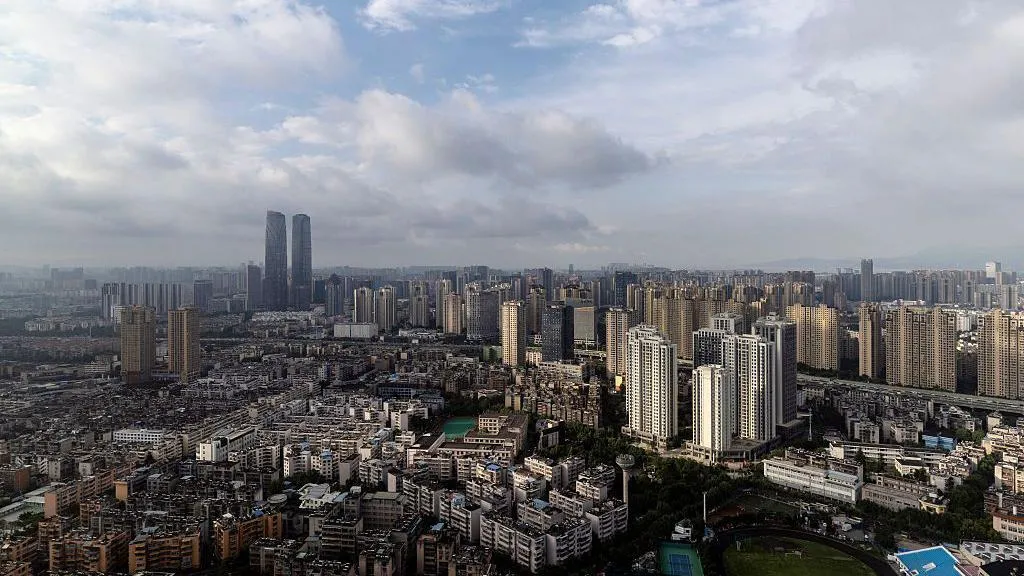
China’s foreign ministry has confirmed the arrest of a US-based scholar on charges of espionage and endangering Chinese national security, in a detention that is unusual both for its nature and its timing. U Min Zin, a director at a think tank focused on Myanmar, was arrested in early June in the Chinese city of Kunming, which borders Myanmar, according to the New York Times and multiple other sources.
Min Zin was reportedly attending a meeting on June 3 when he was arrested at the airport. His family is said to be in contact with the US consulate in Guangzhou, though further details about the circumstances of the arrest remain scarce. The detention is uncommon: China rarely arrests US citizens on national security charges, making this case a notable escalation in the broader tensions between Washington and Beijing.
The arrest comes just weeks after US President Donald Trump’s visit to Beijing, where he received a grand welcome from Chinese President Xi Jinping. It also coincides with the expected visit of Myanmar’s President Min Aung Hlaing to Beijing, adding layers of geopolitical complexity to an already sensitive situation.
Min Zin’s background is deeply intertwined with Myanmar’s turbulent political history. Known as a student activist during the country’s 1988 pro-democracy movement, he fled to Thailand to escape arrest by the military government before eventually moving to the United States to study. He later returned to Myanmar in 2010 during a period of political opening.
He currently serves as executive director of the Myanmar Institute for Strategic and Policy Studies, a think tank based in Thailand that examines China’s role in Myanmar, including Chinese interests, bilateral relations, and regional influence. He is also reported to be a PhD student at the University of California, Berkeley. He was due to speak at a conference in Kathmandu later this month.
The focus of Min Zin’s research appears to be at the intersection of Chinese strategic interests and Myanmar’s political landscape, an area that has grown increasingly sensitive as Beijing deepens its relationship with Myanmar’s military junta, which seized power in a coup in 2021. China’s close ties with the junta have been a source of international concern, and scholars who study that relationship occupy an inherently precarious position.
The arrest raises broader questions about the safety of researchers and academics who work on politically sensitive topics involving China. It also tests the limits of the diplomatic goodwill that appeared to characterise the recent Trump-Xi meeting, suggesting that the relationship between the two powers remains fraught beneath the surface of cordial state visits.
Image Source: MYJOYONLINE