Ghanaian Students in UK Allege Assault by High Commission Officials During Scholarship Protest
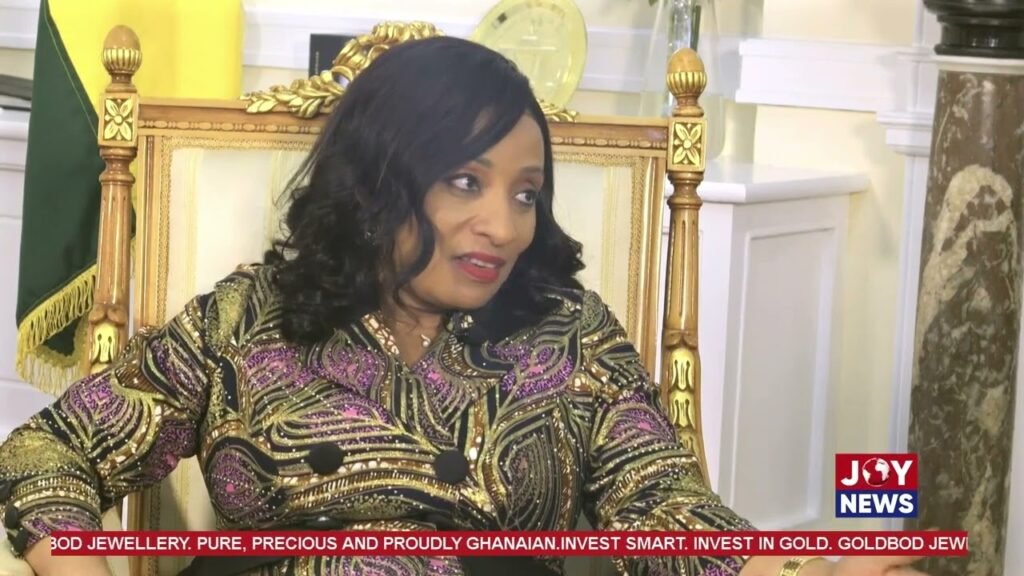
Six Ghanaian government-sponsored postgraduate students in the United Kingdom have alleged verbal abuse and physical assault by officials at the Ghana High Commission in London during a peaceful protest over 18 months of unpaid scholarship funds totalling £238,852.
The students, all master’s candidates at Loughborough University, staged the demonstration outside the High Commission on Monday after repeated attempts to secure the tuition fees and living stipends promised to them under their government scholarships. They say they have completed their academic programmes but cannot graduate because the outstanding arrears remain unresolved.
Noah Krah, convener of the affected student group, described a four-hour period in which no High Commission official emerged from the building to engage with the protesters. “Not a single official of the Ghana High Commission came outside to speak with us,” Krah said. “There was no acknowledgement, no engagement, and no response of any kind through any formal channel.”
The situation escalated when officials eventually confronted the group. The students allege that Bridget Bonney, a High Commission staff member, referred to them as “kwasiafo” — a Twi term conveying deep personal insult — and described them as “useless people” who “don’t deserve taxpayers’ money.”
When student Abena Fosuah attempted to record the exchange on her phone, Bonney and other unidentified individuals allegedly seized the device and deleted all recordings, including academic interview material unrelated to the protest. Fosuah sustained soft-tissue injuries expected to heal within two weeks. She has since been prescribed medication, undergone an X-ray, and is receiving mental health support following the incident.
A formal complaint submitted to the High Commission’s Head of Education and Recruitment has received no response, according to Krah.
The students have outlined three demands: an immediate investigation into the alleged assault, the prompt disbursement of all outstanding scholarship funds, and a formal apology from the officials involved. They have also been advised to report the matter to British police, the Citizens Advice Bureau, and the Parliamentary and Health Service Ombudsman.
The allegations carry weight beyond the immediate incident. Ghana’s scholarship programme abroad represents a significant public investment in human capital, and the government’s ability to honour those commitments shapes the country’s credibility with international academic institutions. When sponsored students find themselves unable to graduate — and then allegedly face hostility from the very mission charged with supporting them — the damage extends well beyond six individuals in Loughborough.
The incident also surfaces questions about the culture of accountability within Ghana’s diplomatic missions. The High Commission’s silence in the face of both the scholarship arrears and the assault allegations suggests an institution that has either lost the capacity or the willingness to serve the citizens it was established to protect.
No government response has been issued in Accra. The students say they will pursue legal and diplomatic channels until their grievances are addressed.
Image Source: MYJOYONLINE