Ghana to Host High-Level US Trade Mission Targeting Key Economic Sectors
A high-level trade mission bringing together government officials, investors and business leaders from Ghana and the United States is set to take place in Accra from May 30 to June 6, signalling a renewed push to deepen commercial ties between the two nations.
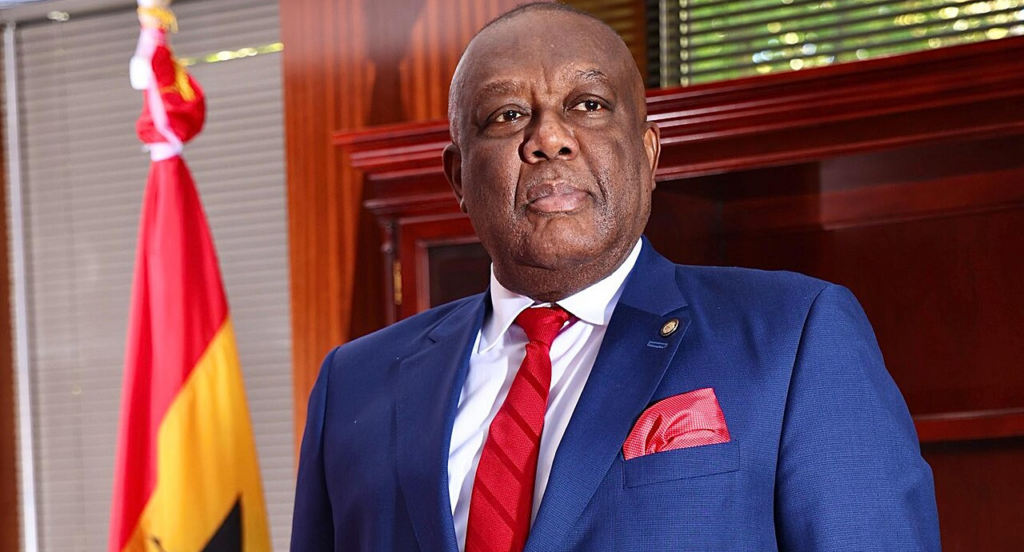
The mission, led in part by Ghana’s Ambassador to the United States, Victor Emmanuel Smith, will focus on trade, agribusiness, manufacturing, logistics, fintech, tourism, energy and infrastructure. Organisers say the initiative is designed to strengthen commercial cooperation between Ghana and the United States — particularly with the Commonwealth of Pennsylvania — while positioning Ghana as a major gateway to Africa under the African Continental Free Trade Area.
The timing is notable. Ghana’s economy has shown signs of recovery, with the African Development Bank recently forecasting 5 percent GDP growth for the country. That macroeconomic trajectory, combined with Ghana’s strategic hosting of the AfCFTA Secretariat, makes it a compelling entry point into Africa’s 1.4 billion-person market.
The programme is expected to go well beyond handshakes and speeches. Officials have lined up business matchmaking sessions, sector roundtables, investment negotiations, site visits and direct engagements between companies and government representatives. Several negotiations are expected to produce memoranda of understanding, investment commitments, technical cooperation agreements and institutional partnerships.
Priority sectors under discussion include agribusiness, manufacturing, transportation and logistics, mining, tourism, renewable energy, digital innovation and small and medium-scale enterprises. The Ghanaian government is expected to use the mission to attract increased foreign direct investment into these strategic areas, with officials hoping that local companies can secure partnerships, access supply chains and expand into new markets.
A major talking point will be Ghana’s proposed 24-hour economy policy, which government officials intend to present as a catalyst for industrial growth, job creation, exports and manufacturing competitiveness. The policy, if implemented effectively, could fundamentally reshape how businesses operate in the country.
Tourism and cultural diplomacy will also feature prominently. Planned site visits to Safari Valley and parts of the Eastern Region are intended to showcase opportunities in eco-tourism, hospitality, heritage tourism and the creative arts sector — areas that have long been underexploited despite Ghana’s rich cultural heritage.
Diaspora engagement is another central theme. Ambassador Smith has consistently argued that the Ghanaian diaspora plays a critical role in strengthening economic cooperation between the two countries. The mission will encourage diaspora participation in trade, technology transfer, investment facilitation and cross-border partnerships.
Despite the optimism, officials acknowledge that investors will scrutinise Ghana’s business environment before committing capital. Key areas expected to attract close attention include customs procedures, regulatory transparency, tax administration, land access, infrastructure quality and investment protection systems. Investors are also likely to examine transport networks, ports, roads, industrial parks and energy reliability — all critical factors for manufacturing and logistics expansion.
Financing for small businesses and start-ups is expected to be another major area of discussion. Organisers have stressed the need for stronger collaboration between banks, development finance institutions and private investors to unlock the potential of Ghana’s entrepreneurial sector.
The delegation will include senior Ghanaian government officials, representatives of the US Embassy, Pennsylvania senators, the Ghana Investment Promotion Centre, the US Commercial Service, Chambers of Commerce and private sector leaders from both countries.
Organisers believe the trade mission represents more than a business event — they describe it as a strategic platform to strengthen long-term partnerships. Under Ambassador Smith’s leadership, the mission is expected to reinforce Ghana’s commitment to attracting transformative investment, supporting private sector growth and creating jobs through practical economic partnerships.
The real test, however, will come in the weeks and months after the mission concludes. Whether the memoranda of understanding translate into actual investment, and whether the partnerships forged in Accra endure beyond the conference rooms, will determine whether this initiative delivers on its considerable promise.
Image Source: MYJOYONLINE