Ghana-South Africa tensions: 'Use diplomacy, not social media exchanges' – Asafo-Adjei
Ghana and South Africa find themselves at a diplomatic crossroads, with rising tensions fueled by undiplomatic exchanges on social media between their respective foreign affairs ministers. The situation, sparked by xenophobic attacks in South Africa targeting foreign nationals including Ghanaians, has prompted calls for a return to traditional diplomatic channels to preserve the longstanding bilateral relationship.
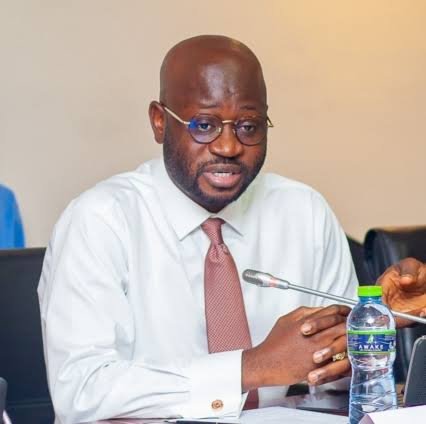
Nana Asafo-Adjei Ayeh, Deputy Ranking Member of Parliament’s Foreign Affairs and Regional Integration Committee, voiced sharp criticism of the public spat, emphasizing that such conduct undermines the very foundations of international relations. “We seem to be missing the channel for communication, and we seem to be taken away by social media. It is so undiplomatic for me to find two foreign affairs ministers, colleagues, who should be engaging in the back door rather than exchanging words on social media,” Ayeh stated during an appearance on JoyNews” “The Pulse.”
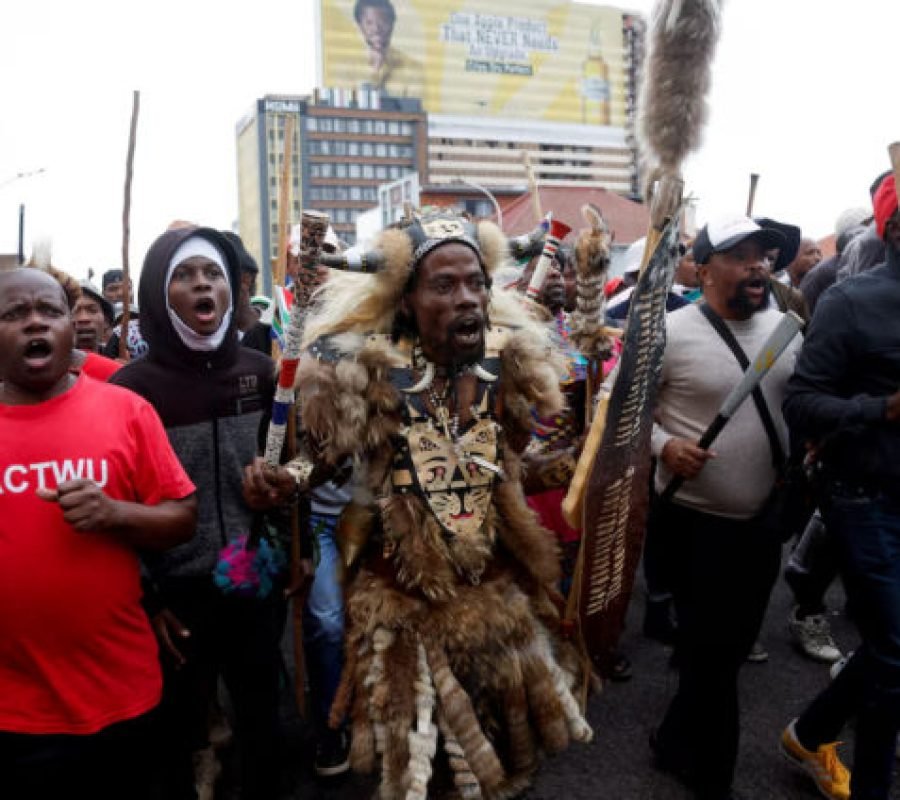
The core of the disagreement centers on how to address the aftermath of xenophobic violence in South Africa, which has strained perceptions of safety among Ghanaian nationals residing or working in the country. Ghana’s foreign minister had taken to social media to condemn the attacks, prompting a reciprocal response from South Africa’s counterpart. This tit-for-tat exchange, conducted in the public arena of Twitter and Facebook, has done little to de-escalate tensions and risks eroding public trust in diplomatic institutions.
Ayeh argued that both nations possess valuable intelligence that the other may lack, underscoring the necessity of direct, confidential dialogue. “We may not have some information, or we may have the information that the government of South Africa may not have. The government of South Africa may have some information that we may not have, so the two countries at that level must engage more diplomatically than run into social media,” he added. This insight points to a fundamental principle of diplomacy: the exchange of sensitive information through trusted channels ensures that decisions are made with a full picture, reducing the likelihood of missteps.
Despite the current friction, Ayeh offered a reassuring assessment of the bilateral bond. “As things stand now, I don’t think that the core fabric of our relationship, the heart of the relationship between Ghana and South Africa, is broken.” This sentiment reflects the resilience of a partnership built over decades of cooperation in trade, investment, and multilateral engagement. The recent decision by Ghana to defer a proposed state visit by South African President Cyril Ramaphosa, while citing safety concerns, does not signify a rupture but rather a pause to address immediate challenges. This stance aligns with concerns raised by minority lawmakers who sought clarity on the deferment amid xenophobic tensions (minority-demands-clarity-on-ghanas-decision-to-defer-ramaphosa-visit-amid-xenophobic-concerns).
The path forward, according to Ayeh, lies in revitalizing established diplomatic mechanisms. Officials should prioritize bilateral meetings, formal diplomatic notes, and the use of designated liaison officers to discuss sensitive matters. Such an approach not only upholds the Vienna Convention on Diplomatic Relations but also prevents the misinterpretations and emotional reactions that often fuel social media controversies.
For Ghana and South Africa, the stakes extend beyond bilateral pride. Their relationship serves as a cornerstone of regional stability and economic cooperation within Africa. Continued discord risks undermining joint initiatives in areas such as infrastructure, energy, and security cooperation. Moreover, in an era where digital diplomacy is increasingly prevalent, the incident serves as a cautionary tale about the limits of Twitter statecraft when dealing with complex, sensitive issues.
As both nations navigate this episode, the emphasis must remain on restoring trust through quiet, professional engagement. The strength of Ghana-South Africa ties lies not in the absence of disagreements but in the commitment to resolve them through established, respectful channels. By heeding the call to set aside social media in favor of substantive dialogue, both governments can reaffirm their dedication to a partnership that has weathered numerous storms and remains vital to the continent’s progress.
Image Source: MYJOYONLINE