Ghana, Nigeria and Mali Ministers to Headline West African Mining Expo in Accra

When senior government ministers from three West African nations agree to share a stage, the gathering signals more than diplomatic courtesy. This week’s 19th West African Mining and Power Expo (WAMPEX), opening Wednesday at the La Palm Royal Beach Hotel in Accra, has drawn confirmed speakers from the highest levels of governance in Ghana, Nigeria and Mali — a trio whose combined mineral wealth stretches from gold and bauxite to lithium and manganese.
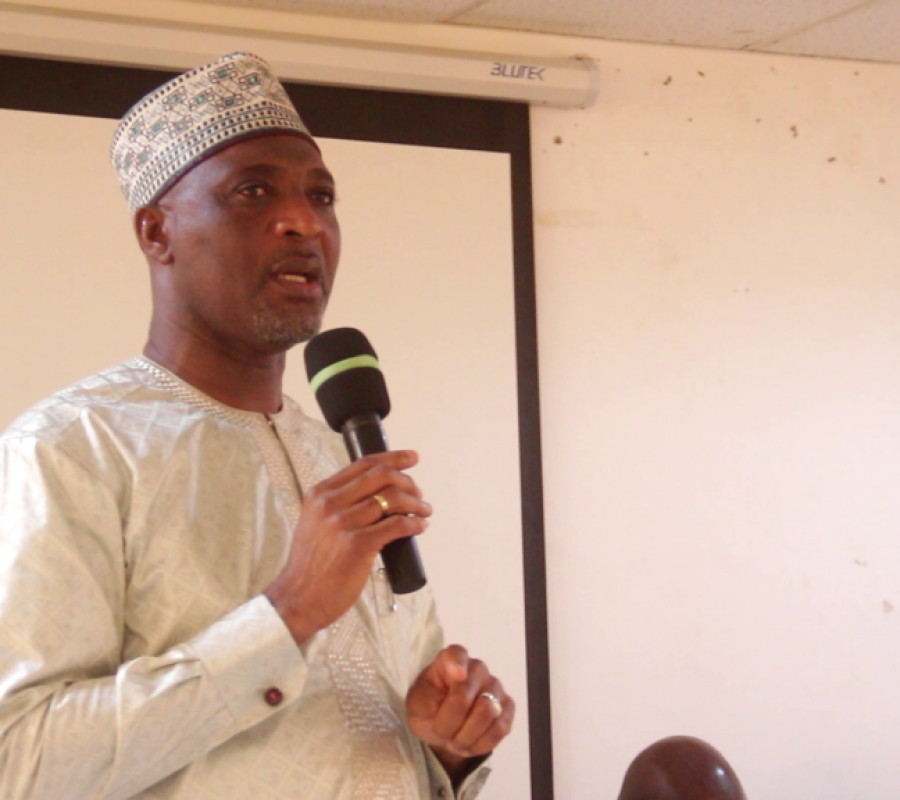
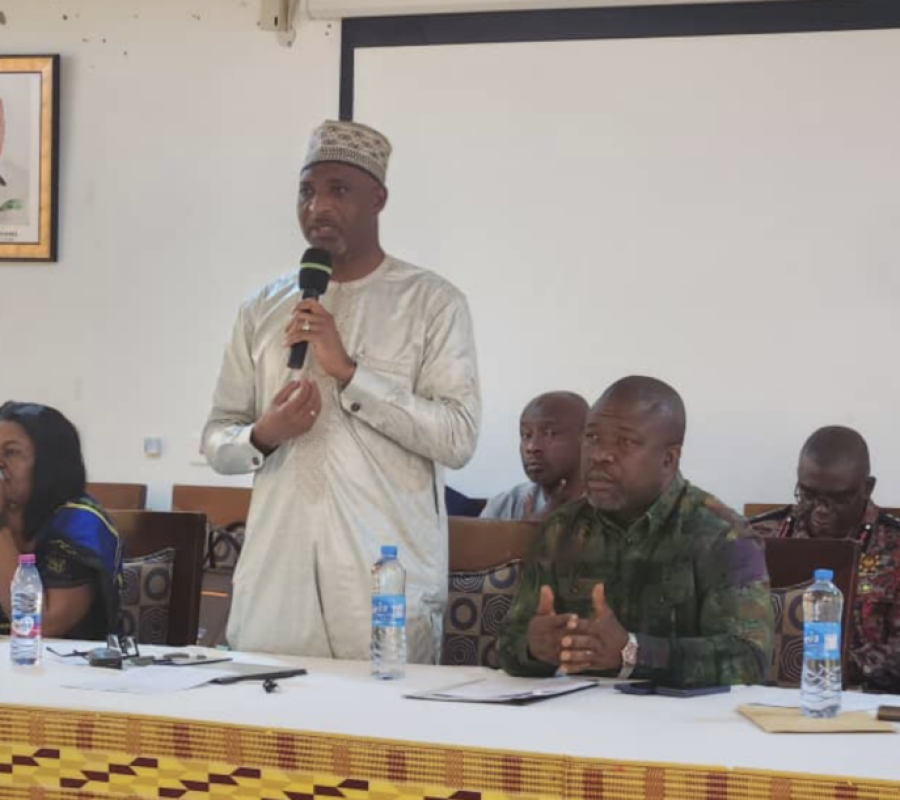
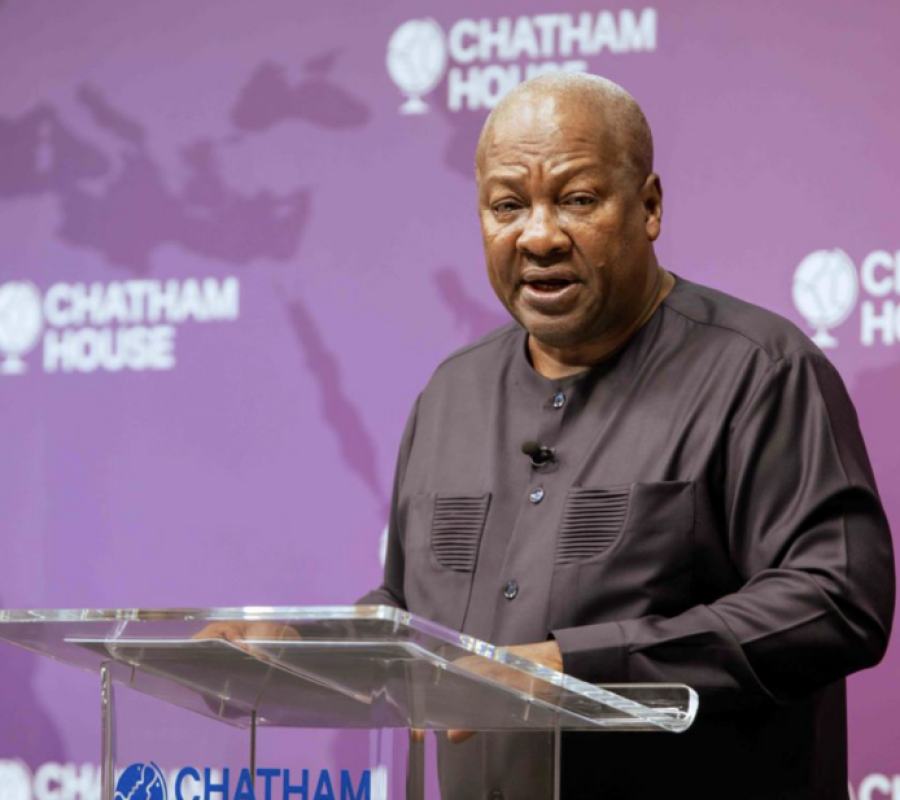
Nigeria’s Solid Minerals Development Minister Oladele Henry Alake, Ghana’s Energy and Green Transition Minister John Jinapor, and Mali’s Energy and Water Minister Tiémoko Traoré will address delegates at the three-day event. Their presence reflects a sharpening conviction across the subregion that extractive industries must be governed more deliberately if they are to deliver lasting economic benefit rather than repeat the resource-curse narratives of earlier decades.
Ghana’s Ministry of Lands and Natural Resources has formally endorsed the gathering, confirming its support in a 4 May letter to the Ghana Chamber of Mines. Lands Minister Emmanuel Armah-Kofi Buah is scheduled to speak at the opening ceremony on 3 June, lending the event additional institutional weight.
The conference programme, spanning two days of panel discussions and technical sessions, is organised under the broad theme of how responsible mining and reliable power can accelerate sustainable development across West Africa. Topics on the agenda include fiscal regimes for mining companies, critical mineral strategy, supply-chain traceability, community development obligations and security challenges across the Sahel — a corridor where artisanal mining and armed conflict have become uncomfortably intertwined.
The timing is notable. Global demand for critical minerals is surging as the energy transition accelerates, and West Africa sits on significant deposits of lithium, cobalt, manganese and rare earth elements that feed batteries, wind turbines and electric vehicles. Governments in the region are under pressure to ensure that extraction translates into local jobs, infrastructure and revenue rather than raw commodity exports that enrich foreign shareholders.
Ghana’s own trajectory illustrates the tension. The country remains Africa’s leading gold producer and is expanding into manganese and bauxite, yet debates over mining royalties, environmental regulation and community compensation continue to generate friction. The government’s recent push to refine crude oil domestically underscores a broader policy ambition to capture more value from natural resources before they leave the continent.
The exhibition floor at WAMPEX will host more than 250 exhibitors from 26 countries, spread across 5,000 square metres. Seven nations are making their debut: Mongolia, France, South Korea, Belgium, Italy, Slovakia and the United Arab Emirates. Local firms account for 51 percent of exhibitors, a figure organisers point to as evidence that West African mining companies are no longer peripheral players in their own industry.
Organisers expect more than 6,000 mining professionals to attend over the three days. The event is staged by dmg events in partnership with the Ghana Chamber of Mines and Events and Projects International, and has served as a networking hub for the West African mining sector for more than three decades.
Whether the ministerial speeches translate into coordinated policy action remains to be seen. But the optics of sitting governments engaging publicly with industry on fiscal transparency, environmental stewardship and supply-chain integrity suggest that the conversation is moving in the right direction. For a region that has watched much of its mineral wealth leave in unprocessed form for generations, that shift matters.
Image Source: GHANAMMA