Ghana Needs Up to 90,000 More Teachers but Budget Allows Only 7,000 Recruits, Education Minister Reveals
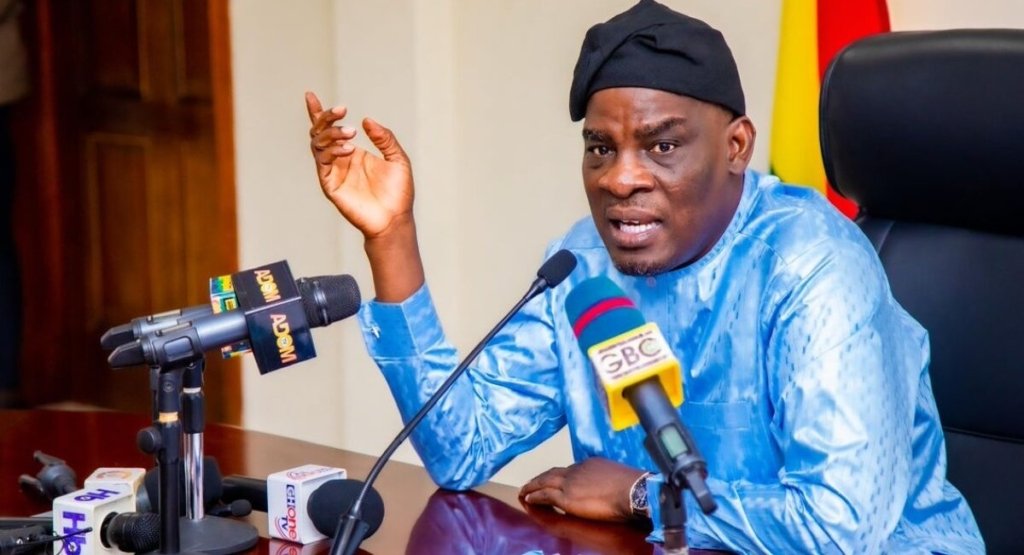
Education Minister Haruna Iddrisu has disclosed that Ghana requires between 50,000 and 90,000 additional teachers to staff its expanding education system, yet the national budget has cleared only 7,000 new recruits for this year.
The stark mismatch, laid bare during an address to Parliament on Wednesday, lays bare the financial constraints at the heart of Ghana’s education reform ambitions and raises serious questions about how the country plans to deliver quality instruction to its growing student population.
“My need for teachers is between 50,000 and 90,000, but I had clearance for 7,000, and that is what I am making do with,” Iddrisu told lawmakers, framing the gap as a matter of fiscal reality rather than institutional neglect.
The shortage has been compounded by recent structural reforms that have expanded the education sector’s staffing demands. The creation of the Commission for Technical and Vocational Education and Training (CTVET) alongside the existing Ghana Education Service (GES) means the ministry must now distribute its limited recruitment allocation across two separate institutional tracks, each with its own staffing requirements.
“The country has evolved, and we have taken reforms that will benefit education in the foreseeable future,” Iddrisu explained. “We now have the Commission for Technical and Vocational Education and the GES, and so when we are recruiting, we allocate teachers for TVET and GES, but there is a difference between need and what I have budgetary approval for.”
The consequences of the teacher shortfall are already being felt across the system. Classrooms in underserved districts remain overcrowded, student-to-teacher ratios continue to climb, and the quality of instruction in technical and vocational programmes risks being diluted by insufficient staffing.
The crisis is not limited to recruitment numbers. The recent demolition of the 70-year-old Tindamba Primary School in the Upper West Region served as a stark reminder that the education system faces infrastructure challenges alongside its personnel deficit. Schools that serve generations of students are disappearing even as the government struggles to staff the ones that remain.
At the same time, concerns about the broader learning environment have intensified. The General Secretary of the Parent-Teacher Association recently described Ghana’s growing crisis of indiscipline in senior high schools as a collective failure of parents, teachers, and society at large. When schools cannot attract enough qualified teachers, the challenge of maintaining discipline and academic standards only deepens.
Education analysts have long argued that the country’s ambitions in expanding TVET and general education demand a parallel commitment to workforce development. Public-private partnerships, accelerated teacher training pathways, and targeted recruitment drives for underserved regions have all been proposed as mechanisms to bridge the gap, but each requires political will and, crucially, additional funding.
The minister’s candid admission underscores a tension that defines much of Ghana’s development agenda: the desire to reform and expand public services runs headlong into the hard ceiling of fiscal space. Until that equation changes, the 7,000 teachers approved this year will be asked to fill shoes that, by the government’s own count, number in the tens of thousands.
Image Source: MYJOYONLINE