President Mahama Uses Eid al-Adha Message to Call for Discipline and Responsibility Among Ghanaian Youth
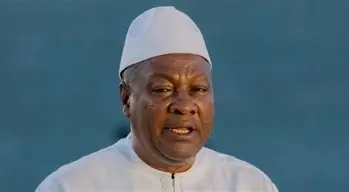
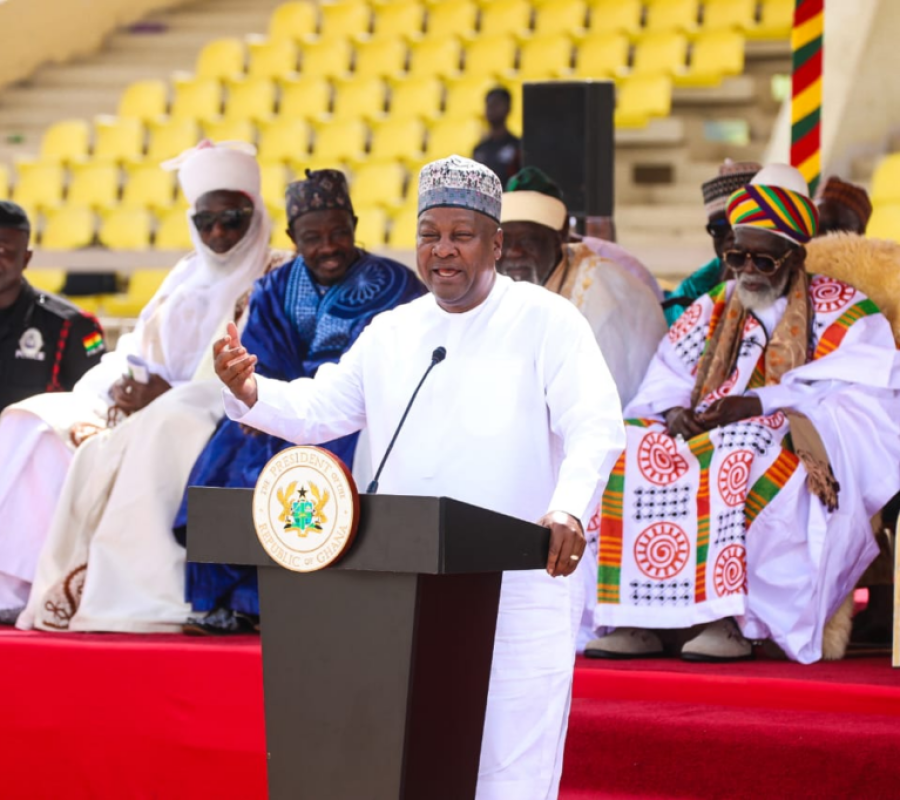
President John Dramani Mahama used the occasion of Eid al-Adha celebrations at Independence Square on Wednesday to deliver a pointed message to Ghanaian young people: reject drugs, embrace discipline, and channel your energy into productive pursuits that serve the nation.
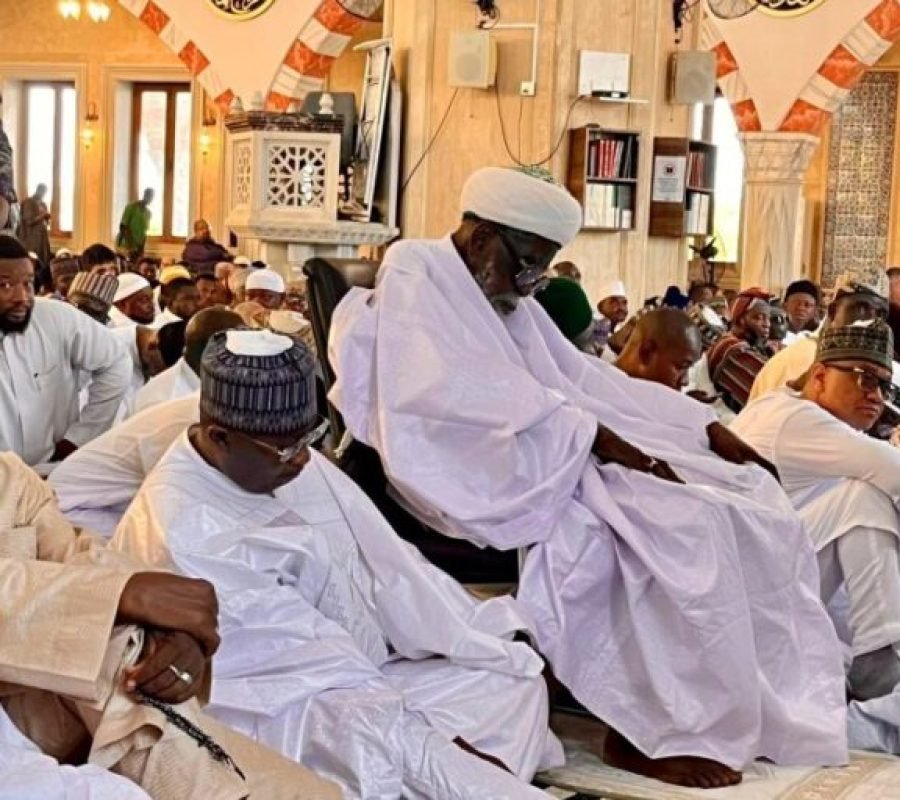
Speaking before a large gathering that included religious leaders, government officials, and members of the public, the president urged the youth to model their lives after the example set by the National Chief Imam, Sheikh Osman Nuhu Sharubutu, whose decades of service to the country have transcended religious and political boundaries.
“We are blessed to have the enduring example of our revered National Chief Imam Sheikh Osman Nuhu Sharubutu, whose life continues to inspire all Ghanaians through his humility, his compassion, his simplicity, his tolerance, and his peacebuilding,” Mahama said. “Let us emulate these noble virtues in our daily lives.”
The president’s remarks carry particular weight at a time when Ghana faces mounting concerns over youth unemployment, substance abuse, and social instability. His call for moral leadership and peaceful coexistence struck a deliberate note, framing the Islamic holiday not merely as a religious observance but as an opportunity for national reflection.
Mahama’s emphasis on education, skills acquisition, and entrepreneurship over drug use and criminal activity reflects a broader government agenda to redirect youth energy toward economic participation. “I especially encourage our young people to remain disciplined, law-abiding, respectful, and responsible citizens,” he said. “I urge you to also avoid drug addiction. Our nation needs young people who are focused on education, skills, hard work, entrepreneurship, and service to humanity.”
The Eid al-Adha message is consistent with the president’s recent public engagements, which have increasingly focused on social cohesion and interfaith harmony. His invocation of Sheikh Sharubutu as a national role model is significant. The Chief Imam, who is well into his nineties, has become one of Ghana’s most respected public figures, known for his quiet diplomacy and commitment to interfaith dialogue.
The celebration at Independence Square drew a cross-section of Ghanaians, and the president’s message was clearly intended to reach beyond the Muslim community. By framing discipline and responsibility as national rather than sectarian values, Mahama sought to position the Eid festivities as a unifying moment for the country.
Interior Minister Muntaka Mubarak made a similar appeal earlier in the day, calling on Muslims to use the occasion to strengthen national unity and promote peaceful coexistence with citizens of other faiths.
Whether this message resonates with a generation facing difficult economic realities remains to be seen, but the president’s tone was firm yet hopeful—a recognition that the country’s future depends on the choices its young citizens make today.
Image Source: MYJOYONLINE