Calls Grow for Communications Minister to Prioritise Consumer Protection in Ghana’s Digital Economy
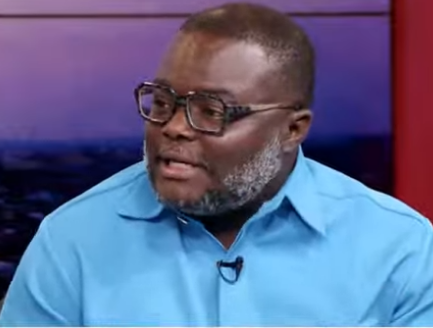
Lawyer and Executive Director of Lands and Mines Watch Ghana, Kwame Owusu Danso, has publicly urged Communications Minister Samuel Nartey George to refocus his attention on protecting ordinary Ghanaians in the digital and telecommunications space, warning that the minister appears to be losing sight of what matters most to consumers.
The criticism, delivered during an appearance on JoyNews’ AM Show on Wednesday, came amid the fallout from the Bank of Ghana’s decision to suspend a proposed 0.75 per cent charge on direct mobile money wallet-to-bank transfers—a fee that had drawn widespread public backlash before it was due to take effect on June 1.
“The Communications Minister must be up and doing,” Danso said bluntly. “It appears that he is taking his eyes off the ball, and I think that caution must be brought to him that he must always make sure that he has his eyes clearly fixed on what is relevant because it appears he is dabbling in irrelevant matters within that space.”
The remarks highlight a growing frustration among civil society voices who argue that Ghana’s digital economy needs stronger regulatory oversight—not just policy announcements. The Bank of Ghana’s suspension of the wallet-to-bank transfer fee, which Mobile Money Fintech Limited had proposed, exposed a gap between what fintech operators want to charge and what consumers can reasonably bear.
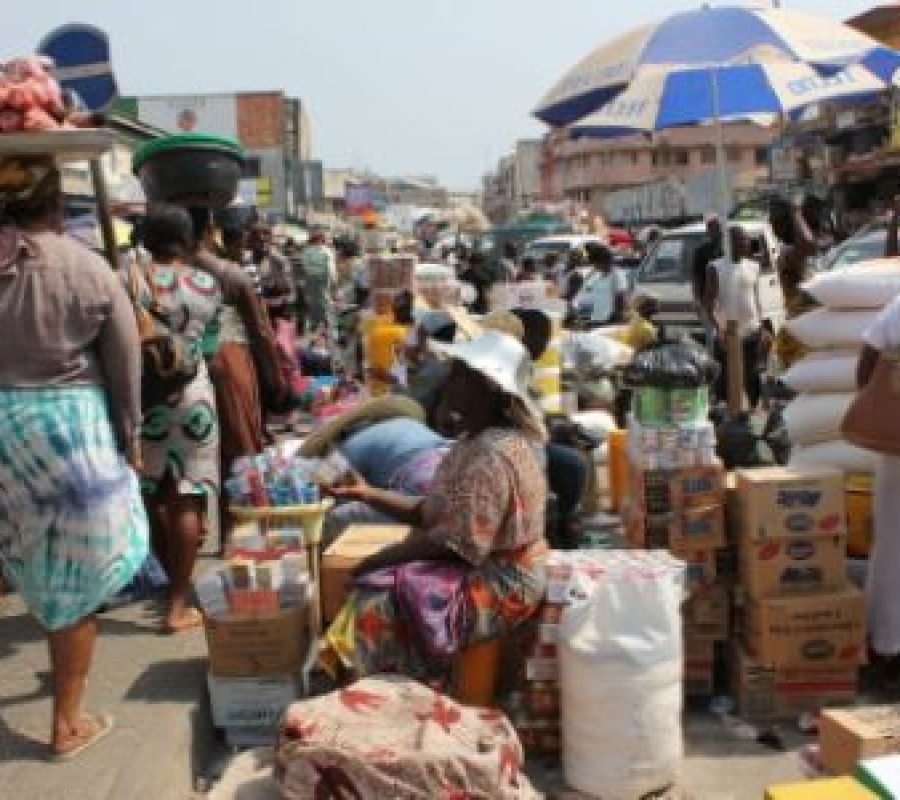
For millions of Ghanaians who rely on mobile money for daily transactions—from market women and commercial drivers to teachers and small business owners—the question of who regulates digital financial services and how is not an abstract policy debate. It directly affects their livelihoods.
“The market woman needs protection, the trotro driver needs protection, the teacher needs protection,” Danso said. “And they can get this protection if the sector minister provides that protection for them.”
The timing of the criticism is notable. The proposed 0.75 per cent fee had already drawn sharp criticism from industry voices who warned it could undermine financial inclusion—the very gains that mobile money has delivered over the past decade. Ghana’s mobile money ecosystem has become one of the most developed in West Africa, processing billions of cedis annually and providing financial services to populations that traditional banks have struggled to reach.
The broader question is whether the Communications Ministry is equipped to navigate the increasingly complex intersection of technology, finance, and consumer rights. As digital platforms expand into payments, lending, insurance, and e-commerce, the regulatory framework needs to keep pace—not lag behind.
Owusu Danso’s intervention is unlikely to be the last word on the matter. With the Bank of Ghana’s suspension creating a temporary reprieve, the pressure is on both the central bank and the Communications Ministry to articulate a clear, consumer-first approach to digital finance regulation. The millions of Ghanaians who depend on these services daily deserve nothing less.
Image Source: MYJOYONLINE