Ghana cedi outlook improves as PwC projects medium term stability
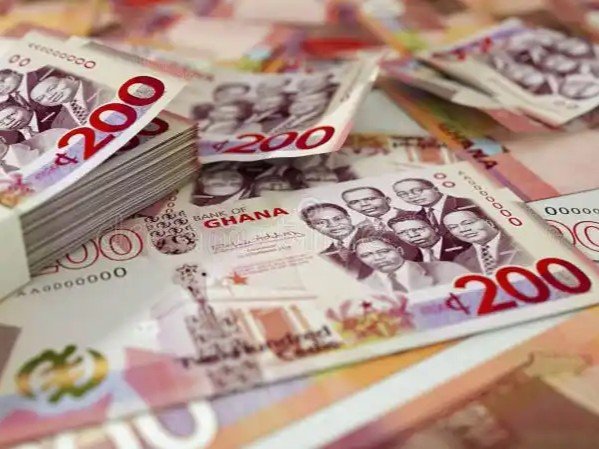
Recent assessments by PricewaterhouseCoopers (PwC) Ghana suggest that the Ghanaian cedi is poised for stability in the medium term, alleviating concerns about heightened volatility in the foreign exchange market. This positive outlook stems from decisive interventions by the Bank of Ghana and favorable macroeconomic trends, offering a reprieve for businesses and consumers alike.
Vish Ashiagbor, Country Senior Partner of PwC Ghana, acknowledged that the cedi has faced intermittent pressures but emphasized that proactive measures by the central bank have bolstered dollar liquidity and stabilized the currency. Speaking at the launch of the PwC Ghana 2026 Banking Survey in Accra, Ashiagbor highlighted the Bank of Ghana’s foreign exchange injections as instrumental in curbing market fluctuations and reinforcing confidence in the cedi’s trajectory.
In June 2026, the Bank of Ghana injected a substantial US$2.01 billion into the foreign exchange market through its Forex Intermediation Programme and FX Intervention Programme. This decisive action, aimed at meeting surging demand for foreign currency, has helped maintain the cedi within a predictable band, reducing the likelihood of sharp swings in either direction. Ashiagbor noted that, barring unforeseen shocks, the currency is expected to trade within its current range over the coming months.
The PwC executive also addressed monetary policy expectations, signaling that the Bank of Ghana is likely to hold its benchmark interest rate at the upcoming Monetary Policy Committee meeting. He explained that inflation concerns previously cited by the central bank have already been incorporated into its decision to maintain the status quo, reducing the prospect of an imminent rate change.
These developments align with broader improvements in Ghana’s economic landscape, including steady exchange rates, declining inflationary pressures, and growing investor confidence. The PwC 2026 Banking Survey further cautions that financial institutions must innovate amid declining interest rates and squeezing traditional revenue streams, underscoring the need for adaptive strategies in a evolving financial sector.
While the medium-term stability projection offers relief, analysts warn that external factors such as global commodity prices and geopolitical tensions could still pose risks. Nonetheless, the central bank’s recent interventions have provided a critical buffer, fostering a more predictable environment for trade and investment as Ghana navigates its post-pandemic recovery.
The Bank of Ghana’s intervention in June 2026 stands as one of the largest liquidity injections in recent memory, reflecting the authority’s commitment to defending the cedi amid volatile global conditions. By supplying dollars through both the Forex Intermediation Programme—which channels funds to commercial banks for onward sale to customers—and the direct FX Intervention Programme, the central bank aimed to address both immediate demand and speculative pressures.
Economists note that the cedi’s stability is particularly crucial for Ghana’s import-dependent economy, where fluctuations in the exchange rate can significantly impact the cost of essential goods and services. A steady exchange rate also supports external debt servicing, a key consideration given Ghana’s ongoing international financial obligations.
Looking ahead, the PwC survey highlights structural challenges facing Ghana’s banking sector, including the compression of net interest margins as lending rates decline. Banks are urged to diversify into fee-based services and digital innovations to offset dwindling income from traditional sources. This dual focus on macroeconomic stability and sectoral adaptation underscores the interconnectedness of currency strength and financial system resilience.
As Ghana approaches the midpoint of 2026, the cedi’s expected steadiness provides a foundation for planning and investment. However, policymakers and market participants remain vigilant, recognizing that sustained stability requires continued prudent fiscal and monetary management, alongside structural reforms to enhance economic competitiveness.
The Bank of Ghana’s actions also serve to reinforce its credibility as an inflation-fighting institution, a reputation that has been tested in recent years by episodic currency pressures. By demonstrating both the willingness and capacity to intervene decisively, the central bank aims to anchor expectations and deter speculative behavior that could exacerbate volatility.
For the average Ghanaian, a stable cedi means more predictable prices for imported goods ranging from rice to machinery, contributing to household budgeting and business planning. Exporters, too, benefit from reduced exchange rate risk when contracting for future sales, although a very strong cedi can undermine competitiveness—a balance the central bank seeks to maintain through its interventions.
Ultimately, the medium-term stability reflection reflects not just tactical market operations but a broader strategy of building resilience against external shocks. As Ghana continues to consolidate its macroeconomic gains, the cedi’s performance will remain a key barometer of economic health, influencing everything from investment flows to consumer confidence.