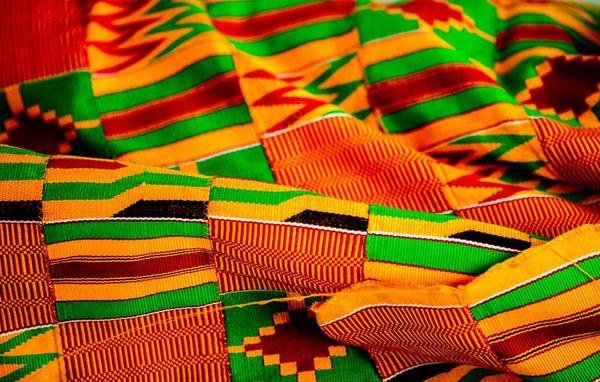
Ghana has achieved a powerful declaration of cultural sovereignty with the recent conferral of Geographical Indication (GI) protection on Kente, positioning it alongside high-value global products like French Champagne.
The decision forces the multi-trillion-dollar fashion industry into a necessary reckoning, raising the core question: Can legal recognition of Ghana’s heritage fundamentally reshape how global brands use traditional African designs?
Kente, originating in the 17th century, is central to Ghana’s Asante and Ewe people, symbolising wisdom, status, and authority. The fabric has become a vital national symbol, embodying Adinkra symbols that convey deep philosophical meanings.
Since Ghana’s independence in 1957, Prime Minister Kwame Nkrumah and subsequent leaders have worn Kente globally, signifying Pan-African identity. In the U.S., the cloth has become a symbol of Black empowerment.
The Kente GI was officially launched on September 30, 2025, adding legal and commercial enforcement power and ensuring only Ghanaian-woven cloth is deemed authentic.
For the weavers who have spent decades competing with cheap, factory-printed imitations, the move is a long-awaited shield. “For too long, we watched machines far away copy our sacred patterns and sell them for pennies,” says Kwabena Osei-Tutu, a master weaver in Bonwire.
The success of this GI is rooted in the “Book of Specifications,” a rigorous legal document developed by the Registrar General’s Department (Industrial Property Office) in collaboration with the Swiss-Ghana Intellectual Property (SGIP) Project.
The impact is felt far beyond Ghana’s borders, particularly in hubs like London’s Brixton and Peckham, where Kente is a staple of weddings and graduations.
Enforcement relies on a traceability system, featuring a QR code on each authentic piece, which channels profits back to the source communities.
Ghana’s move places Kente in the same legal league as internationally protected goods like Darjeeling tea, offering a critical enforcement blueprint.
The GI protection is fundamentally an economic strategy, projected to increase certified communities’ collective annual revenue by over 40% within three years.
Ghana’s initiative provides an African blueprint, demonstrating that legally securing cultural patrimony can drive economic development.
The nation’s enforcement strategy focuses on three key areas: Digital Public Registry, Target E-Commerce Platforms, and Capacity Building.
The Kente Geographical Indication represents a profound act of cultural self-determination, ensuring the fabric’s immense value returns directly to its source communities.
Image Source: MYJOYONLINE