From Screens to Strategy: Is Ghana Finally Ready to Close the Digital Divide for Every Child?
Ghana’s children stand at the edge of a digital‑driven future, yet millions remain on the wrong side of a persistent divide. The draft national EdTech strategy, unveiled in early 2026, promises a unified approach that moves beyond isolated pilot projects to embed technology into the fabric of everyday learning.
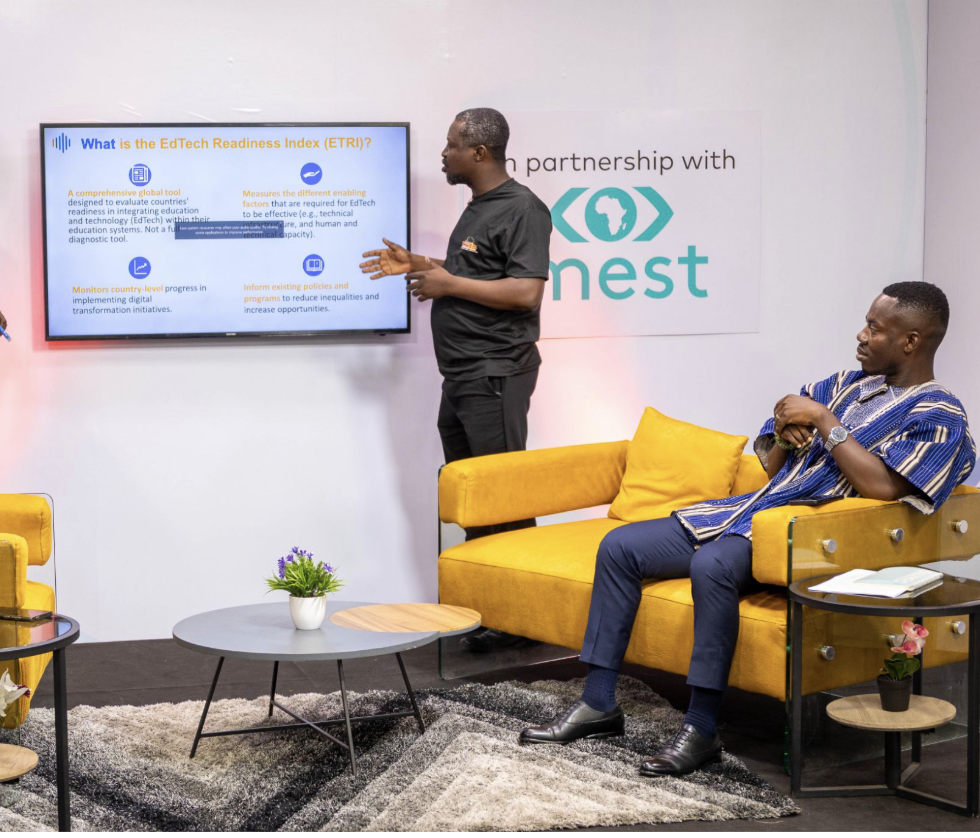
The February 2026 EdTech Mondays Ghana episode “Leaving No Child Behind: Ghana’s Draft EdTech Strategy” marked a decisive shift. As Genevieve Simiyu of Chalkboard Education warned, the nation must move from “project‑based” thinking to long‑term partnerships. Sustainable impact requires EdTech providers to embed solutions into the national curriculum rather than pursuing short‑term, donor‑funded pilots.
The draft strategy outlines 13 thematic pillars — infrastructure, content, data utilisation, inclusion, governance, digital literacy, data protection and more — designed to align government, private sector and educators. Prof. Kofi Sarpong Adu Manu of the University of Ghana highlighted a critical gap: “We have a leadership gap… It isn’t just about having the gadgets; it’s about the leadership at the school level ensuring these tools are integrated into daily learning.”
Hardware alone will not close the divide. Effective school‑level leadership is essential, as is a coordinated national approach through CENDLOS, which will ensure consistent digital content quality and data protection for every child, whether in an Accra private school or a rural Upper West Region classroom.
The strategy’s seven strategic themes address governance, reliable connectivity and power, localized curriculum‑aligned digital materials, training for students and teachers, analytics to improve learning outcomes, safeguarding minors’ privacy, and inclusion for children with disabilities. Teachers are empowered—not replaced—by technology, with the plan stressing digital literacy for educators. Parents are urged to become “digital guardians,” actively engaging at home and advocating for their children’s access to modern tools.
As the draft invites public discourse, success hinges on collective vigilance and an end to the silo mentality that has hampered past initiatives. The fourth industrial revolution is already here; Ghana’s strategy offers the best chance to make the digital revolution inclusive.
Image Source: MYJOYONLINE