Floodwaters do not discriminate: A call for unity in the face of Ghana’s deluge
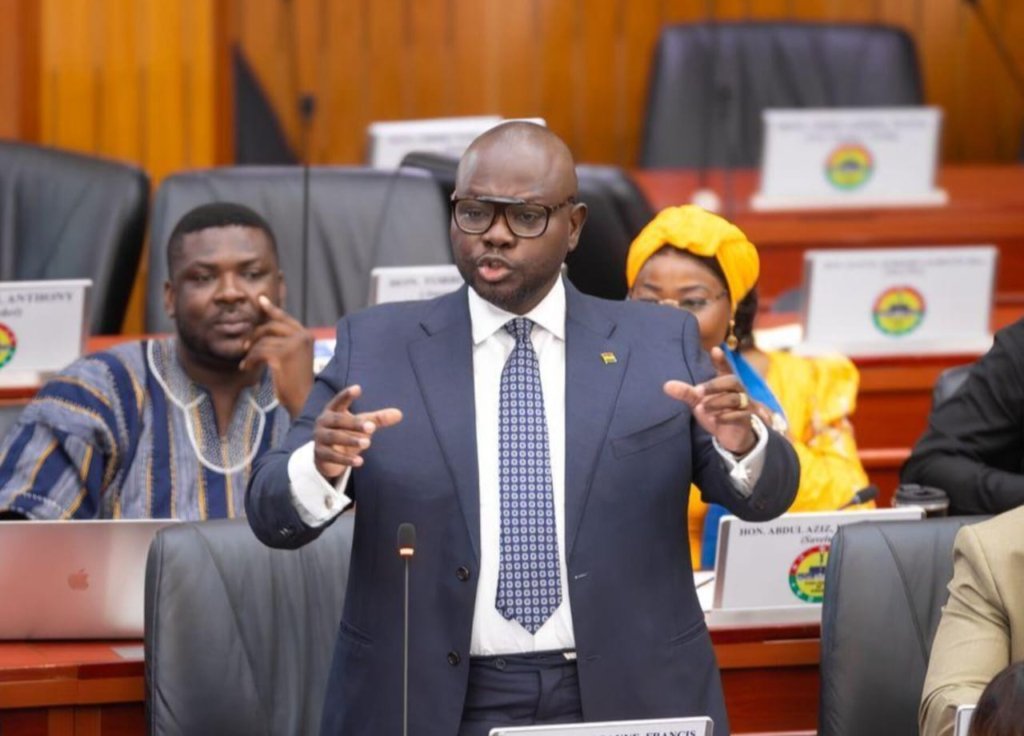
Floodwaters do not discriminate. They sweep through communities regardless of wealth, status, or political affiliation, leaving devastation in their wake. This stark reality was underscored by Francis Asenso-Boakye, the Ranking Member of Parliament’s Select Committee on Local Government and Decentralisation, in a fervent plea for national unity delivered on the floor of Ghana’s legislature last Wednesday.
Speaking in the wake of torrential rains that inundated Accra and surrounding regions, Asenso-Boakye painted a harrowing picture of the humanitarian toll: families mourning loved ones lost to sudden deluges, residents salvaging remnants of submerged livelihoods, and bystanders hampered by the sheer force of nature from attempting rescues. The visuals circulating on social media — of individuals carried away by relentless currents, of structures yielding to hydrostatic pressure — served as a grim testament to a crisis that has long plagued the nation.
As highlighted in our previous analysis ([Floods Are Not Natural Disasters](/floods-are-not-natural-disasters-they-reflect-our-failures-in-enforcement)), the roots of Ghana’s flooding predicament extend far beyond meteorological happenstance. They are entrenched in systemic shortcomings: drainage networks buckling under the weight of rapid urbanization, planning regulations flouted with impunity, waste management systems overwhelmed by indiscriminate dumping, and the accelerating impacts of a changing climate. To attribute the deluge solely to recent sanitation policy shifts, he cautioned, would be to oversimplify a malaise requiring holistic remedy.
The solution, Asenso-Boakye argued, lies not in partisan recrimination but in coordinated action. Government agencies must collaborate with municipal authorities, traditional leaders, and citizens to enforce planning statutes vigilantly, safeguard natural waterways, modernize sanitation infrastructure, and sustain investments in flood-resilient drainage. This sentiment echoes the call by former Vice President Bawumia for a united national effort ([Flooding is a national issue](/flooding-is-a-national-issue-lets-fix-it-together-bawumia)) to address the persistent challenge. Only through such concerted effort — grounded in shared responsibility rather than political point-scoring — can Ghana mitigate the human and economic toll of seasonal floods and shield future generations from avertable harm.
His appeal arrives at a critical juncture. As climate volatility intensifies, the frequency and severity of flood events threaten to erode hard-won development gains. The path forward demands not merely engineering fixes, but a societal commitment to environmental stewardship and proactive governance. In the face of waters that recognize no borders, Ghana’s resilience will be measured by its ability to unite.
Image Source: MYJOYONLINE