Feed Ghana Farm Inputs Distribution Faces 6 Urgent Risks as SEND Ghana Demands Immediate Action

Feed Ghana farm inputs distribution has hit a dangerous bottleneck as SEND Ghana and its civil society partners urge the government to immediately expedite the delivery of seeds, fertilisers, and essential agricultural inputs to farmers across the country. With the planting season already underway, the warning from the advocacy group exposes a troubling disconnect between the administration’s flagship agricultural programme and its on-the-ground implementation.
In a statement issued in Accra on Monday, May 25, SEND Ghana revealed that extensive interactions with farmers in the Northern, Oti, Volta, and Bono East regions showed that the vast majority of farmers have yet to receive the inputs they need to plant. Checks with the Department of Agriculture confirmed that most Metropolitan, Municipal, and District Assemblies (MMDAs) have also not received the materials for onward distribution.
Why Feed Ghana Farm Inputs Distribution Is Falling Behind Schedule
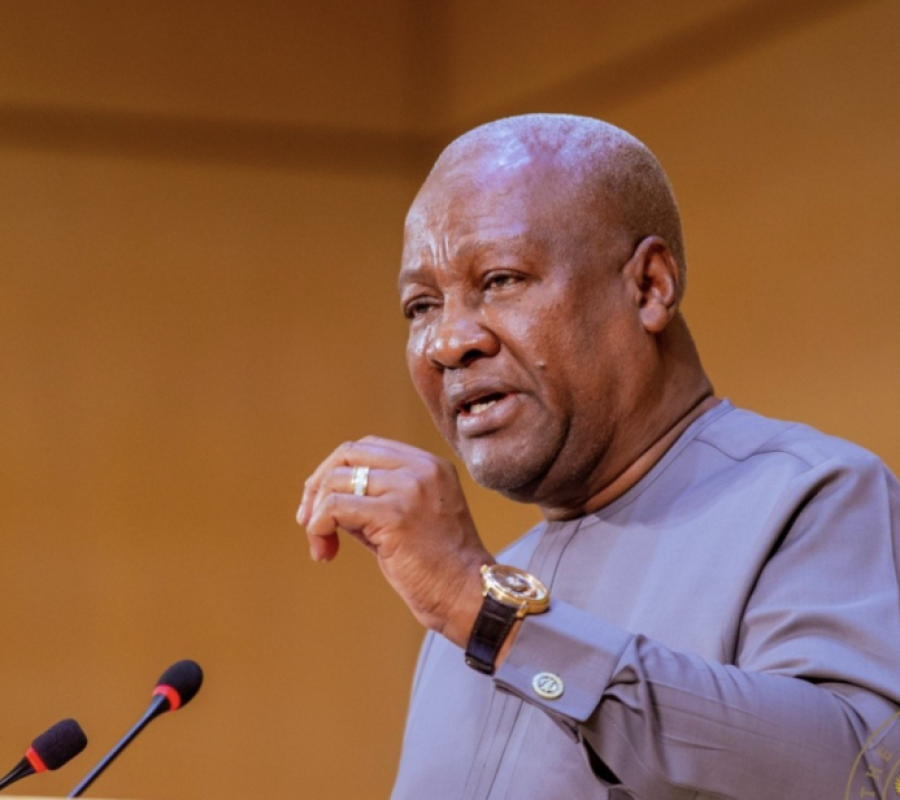
The Feed Ghana Programme, popularly known as “Yeridua,” meaning “we are planting,” was launched by President John Dramani Mahama in April last year with the ambitious goal of boosting local food production, creating jobs, and reducing Ghana’s heavy reliance on imported food. The initiative covers sub-projects spanning vegetables, grains, poultry, oil palm, tubers, and other import substitutes.
However, SEND Ghana’s findings paint a picture of a programme struggling to match its promise with execution. The organisation noted that some farmers are already reluctant to venture into large-scale farming this year because of the devastating losses they suffered during the previous season. This reluctance, combined with delayed input distribution, creates a compounding effect that could severely undermine the programme’s objectives.
“Without these, the government risks missing set targets and wasting public resources,” SEND Ghana warned in its statement, underscoring the urgency of the situation.
SEND Ghana Demands Swift Action on Feed Ghana Farm Inputs Distribution
The civil society organisation made several specific demands in its statement. First, it called on the Ministry of Food and Agriculture (MoFA) to speed up the release and distribution of inputs to ensure farmers can take advantage of the current rains. Second, it urged the ministry to prioritise youth, especially young women, in line with the Feed Ghana Programme’s implementation modalities.
Third, SEND Ghana called for greater transparency, urging the government to make information about the programme increasingly available to the public by providing regular updates on modalities for accessing inputs and progress on implementation.
“Creating opportunities for young people in agriculture would not only improve livelihoods but also contribute to the long-term sustainability of the country’s agricultural sector,” the organisation stated, framing the issue as one that extends beyond immediate food production to long-term economic resilience.
Rainfall Forecasts Add Urgency to Feed Ghana Farm Inputs Distribution
The timing of the delay is particularly concerning given the Ghana Meteorological Agency’s (GMet) rainfall forecasts for the 2026 farming season. GMet has indicated that the rainfall season in Northern Ghana is expected to begin at a normal to late period in most areas, with places such as Bole and Salaga potentially experiencing early onset.
Rainfall during the May-to-September period is generally forecast to be below normal to near normal across much of northern Ghana and parts of the middle belt. The northern sector is expected to receive between 450mm and 700mm of rainfall during the peak season, with dry spells ranging from 10 to 18 days in some areas, particularly across the Upper East, Upper West, and Transition zones.
GMet has advised stakeholders to prepare for possible impacts such as prolonged dry spells through early preparedness and risk management. The agency also recommended the adoption of early-maturing and drought-tolerant crop varieties suited to this season’s conditions. Farmers in Sunyani, Dunkwa, Sefwi Bekwai, Abetifi, Akim Oda, Akuse, Asamankese, Ho, Kpando, Axim, and Saltpond have been advised to anticipate a late onset and wait for sustained rainfall before planting.
Below-normal rainfall is expected in Dormaa, Sunyani, Mim, Goaso, Cape Coast, Accra, and Tema during March to May, increasing the risk of early-season moisture stress. Two significant dry spell periods are anticipated: one in March to April lasting 6 to 15 days, and another in May to June lasting 9 to 19 days, which may disrupt crop performance and strain water sources in forest zone farming communities.
The Broader Impact of Delayed Feed Ghana Farm Inputs Distribution on Food Security
SEND Ghana emphasised that the Feed Ghana Programme has enormous potential to improve food security, reduce food inflation, create jobs for young people and women, and promote agro-industrial development and exports. However, the organisation stressed that realising this potential depends entirely on effective agricultural governance at the local level and the timely implementation of interventions.
Ghana’s food import bill has been a persistent drain on the country’s foreign exchange reserves. The Feed Ghana Programme was designed to reverse this trend by encouraging domestic production across multiple agricultural value chains. But if farmers cannot plant on time because inputs have not reached them, the programme risks becoming another well-intentioned policy that fails at the implementation stage.
The consequences extend beyond agriculture. Food insecurity drives up prices, disproportionately affecting the most vulnerable populations. In a country where a significant portion of household income goes toward food, delays in farm inputs distribution translate directly into economic hardship for millions of families.
What Must Happen Next to Save Feed Ghana Farm Inputs Distribution
SEND Ghana and its partners have laid out a clear roadmap. The Ministry of Food and Agriculture must act with urgency to release and distribute agricultural inputs across all regions. District assemblies need the resources and logistical support to reach farmers before the planting window closes.
The government must also prioritise transparency and accountability in the distribution process. Regular public updates on the status of inputs distribution, challenges encountered, and corrective measures taken would go a long way in rebuilding farmer confidence.
Finally, the administration must recognise that the success of the Feed Ghana Programme is not just a matter of agricultural policy but a test of its ability to deliver on its promises. If the programme fails, it will not only undermine food security but also erode public trust in the government’s capacity to implement its flagship initiatives.
The planting season waits for no one. The time for action is now.
Source: MyJoyOnline