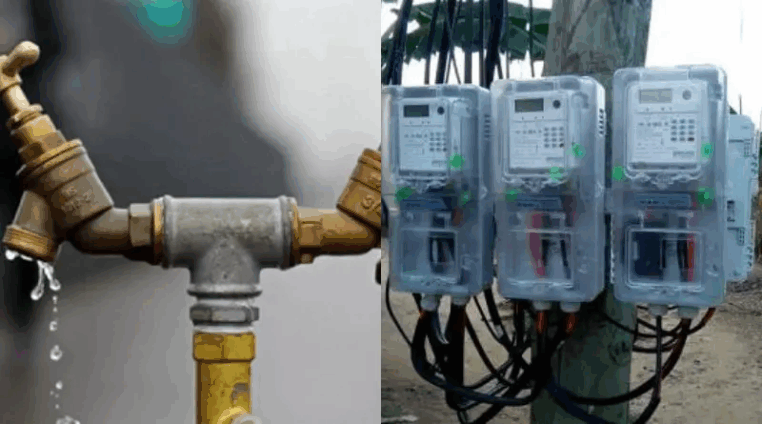
The Food and Beverages Association of Ghana (FABAG) on Dec 8 called for an immediate reversal of the Public Utilities Regulatory Commission’s newly announced electricity and water tariff hikes.
FABAG rejected the commission’s decision to raise electricity tariffs by 9.8 percent and water tariffs by 15.9 percent, calling the move “unacceptable, unjustifiable and insensitive.” The association warned that forcing the hikes without first fixing chronic inefficiencies will deepen Ghana’s economic distress.
“The decision is unacceptable, unjustifiable and insensitive,” a FABAG spokesperson said in the statement released on Dec 8.
The association noted that the Electricity Company of Ghana (ECG) has yet to explain in clear, measurable terms how it will cure what FABAG describes as a “cancer of inefficiency, financial waste and mismanagement.” It pointed to the Public Accounts Committee’s findings that expose ECG’s budget overrun of GH₵189.2 million without approval.
“ECG has become the very disease it was created to cure,” the spokesperson added, accusing the utility of draining productivity from every corner of the economy.
FABAG highlighted deep-rooted problems – persistent losses, corruption, poor worker attitudes, revenue shortfalls and inadequate service delivery – as the real drivers of the sector’s decline. It questioned why public‑sector wages rose 9 percent while utilities face a combined 25.7 percent tariff increase.
The association warned that businesses, already under severe pressure, risk shutting down, cutting jobs or raising product prices. With power and water critical to food production, storage and distribution, the hikes could fuel further food‑price inflation and worsen the cost‑of‑living crisis.
FABAG demanded an immediate suspension of the tariff increase, a full operational audit of ECG and the Ghana Water Company with public disclosure, a credible loss‑reduction programme, enforcement against internal theft and illegal connections, and a cost‑recovery model based on efficiency rather than continuous tariff hikes.
The group said it will continue to defend the interests of its members and the public, insisting that Ghana deserves utility systems that work, not ones that survive by punishing consumers.
Image Source: MYJOYONLINE