Electing MMDCEs Could Strengthen Local Accountability and Tackle Flooding, Says Governance Expert
Ghana’s recurring flooding disasters are not merely a consequence of heavy rains and poor drainage. They are, at their root, a governance failure — one that begins at the very foundation of local administration. That is the central argument put forward by Dr Esther Ofei-Aboagye, an Engagement Committee Member of the African Cities Research Consortium, who believes that electing Metropolitan, Municipal, and District Chief Executives could be a transformative step towards accountability.
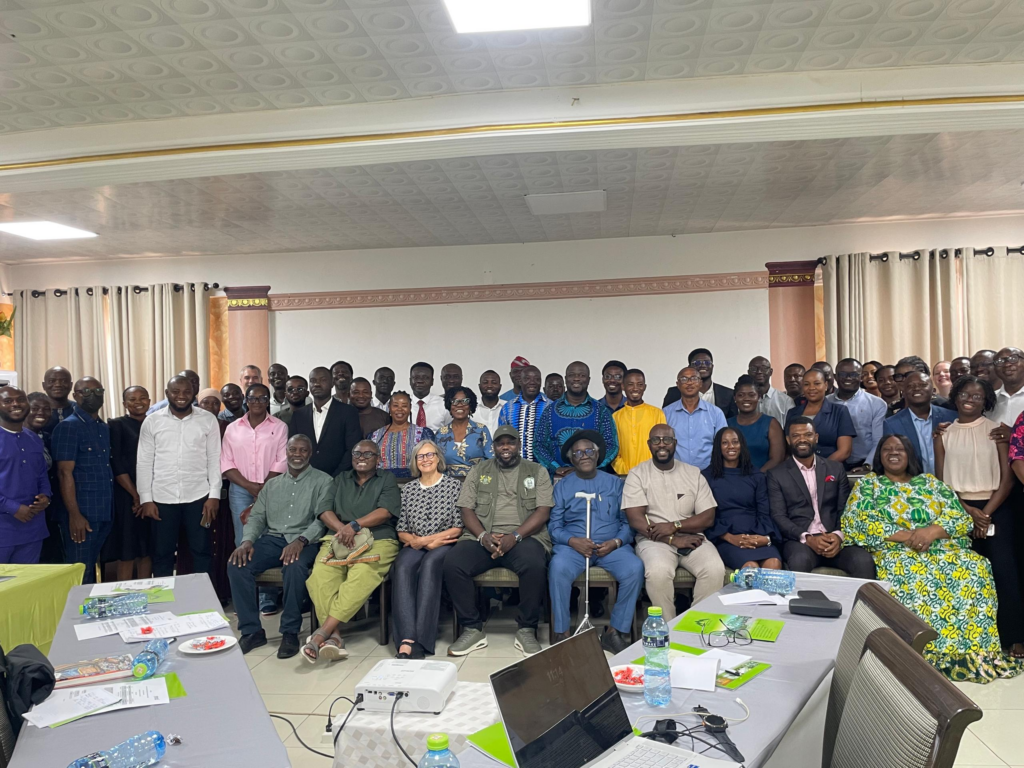
Speaking at the ACRC Cross-Project Learning Workshop in Accra, Dr Ofei-Aboagye laid out a case that connects the country’s worsening environmental challenges directly to years of weak citizen responsibility, poor urban planning, and a local governance structure that leaves officials beholden to political patrons rather than the communities they serve.
“I believe that the election of chief executives will go quite some way to achieving this level of independence, knowing where your power is coming from,” she said. Under the current system, MMDCEs are appointed by the president, an arrangement critics say creates a culture of dependency that stifles bold decision-making.
Dr Ofei-Aboagye was careful to note, however, that electing local executives alone would not be a silver bullet. The real gains, she argued, would come from coupling electoral reform with deliberate efforts to capacitate citizens to choose leaders with vision and integrity.
“I don’t believe it’s a total panacea, because we vote for the MPs and all that. But if we are able to capacitate our people to elect the people who can give them the best, the people with the best visions, the people with the best capacities, the people who can speak up, then we can make progress,” she said.
Her remarks carry particular weight given the country’s persistent struggle with urban flooding. Every rainy season, Accra and other major cities experience devastating floods that destroy property, displace residents, and claim lives. According to Dr Ofei-Aboagye, these disasters are the product of collective inaction that has built up over decades.
“The problem has been several years in the making because there have been a number of urban development initiatives, and we ask ourselves why these things have not worked,” she observed. Chief among the culprits, she said, is the widespread practice of filling waterways with waste materials to create space for construction — a problem that society has largely chosen to ignore.
“People fill up water spaces with plastic bags so that they can build on them. It’s wrong, but for years we’ve all looked, shaken our heads and moved on,” she said.
Dr Ofei-Aboagye called for a fundamental shift in public attitudes towards shared ownership of community well-being. She urged citizens to see themselves as responsible for the environments in which they live, and to challenge practices that undermine development rather than waiting for government to act alone.
“When you are beholden to somebody, when your hand is in somebody’s mouth, it limits how you can speak,” she said, underscoring why independence in local leadership matters. She painted a picture of the kind of leader she envisions: a chief executive who can stand firm on principle, who is willing to say no to improper developments, and who derives authority from the electorate rather than from political appointment.
The governance expert also struck an optimistic note about the role of young people in driving change, praising the positive initiatives emerging from Ghana’s youth and calling for greater collaboration rather than competition over recognition.
“We are in a time of change, and we need to take advantage of that period of change,” she said, urging the media, professionals, and community members to continue speaking out against illegal developments and environmental abuse.
Her call resonates with a broader national conversation about decentralisation and local governance reform. As Ghana grapples with rapid urbanisation and the escalating consequences of climate change, the question of who holds power at the local level — and to whom they answer — has never been more urgent.
Image Source: MYJOYONLINE