Early Eurobond repayments show progress but Ghana off‑track on fiscal goals
Early Eurobond repayments show progress but Ghana remains off‑track on broader fiscal commitments – Economist
Ghana’s early repayment of Eurobond obligations has been hailed as a sign of progress in the country’s debt restructuring programme, yet a leading economist warns that the milestone should not be mistaken for a full return to fiscal health.
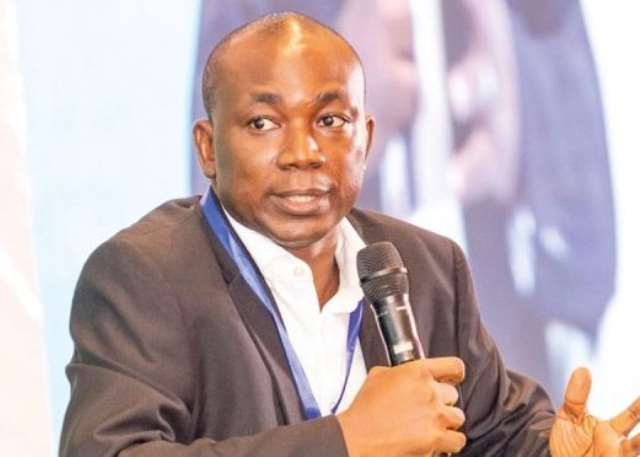
Professor Godfred Bokpin, speaking on Joy FM’s Middaynews on July 7, 2026, acknowledged that the recent payments — including a $700 million Eurobond settlement that pushed the cumulative repayment to $2.1 billion — signal a commitment to external creditors and reflect some success under the ongoing debt workout. “It comes with some positive story and shows that we are on track when it comes to our debt obligations,” he said.
However, Bokpin cautioned that meeting debt service obligations does not equate to addressing the full spectrum of the government’s financial responsibilities. He noted that the state’s broader fiscal position remains under pressure, with competing demands on limited resources. “That does not mean that government is on track with all its obligations to various stakeholders. There are different stakeholders in this economy,” he observed.
The economist pointed to the 2026 budget execution rate, which stands at approximately 73 percent, as evidence that the state is falling short of its overall spending targets. While debt repayments are on schedule, critical sectors such as roads, hospitals, schools and other public services continue to suffer from under‑funding. “If you look at the 2026 budget, the overall budget execution is around 73 per cent or so. So government is not totally on track when it comes to our payments and obligations to various stakeholders,” Bokpin explained.
He emphasized that Ghana’s debt obligations represent only one facet of a much broader set of demands on state finances. Prioritising debt service could limit the fiscal space available for essential development programmes, thereby risking a trade‑off between creditor satisfaction and domestic welfare.
Bokpur also highlighted the sacrifices already made by bondholders under the restructuring agreement, noting that creditors have accepted significant haircuts and extended repayment timelines. In light of these concessions, he urged the government to maintain discipline in servicing the restructured debt while simultaneously pursuing a balanced budget that addresses social and infrastructural needs.
The analyst concluded that a sustainable path forward requires a holistic fiscal strategy — one that honors external commitments without neglecting domestic investment priorities. Only by aligning debt management with prudent budget execution can Ghana restore confidence among both international investors and its own citizens.