Be emboldened by virtues of murdered judges to dispense justice fairly - Moderator
Guarding the Republic: Ghana’s Judiciary Must Honor Fallen Jurists Through Courageous Integrity
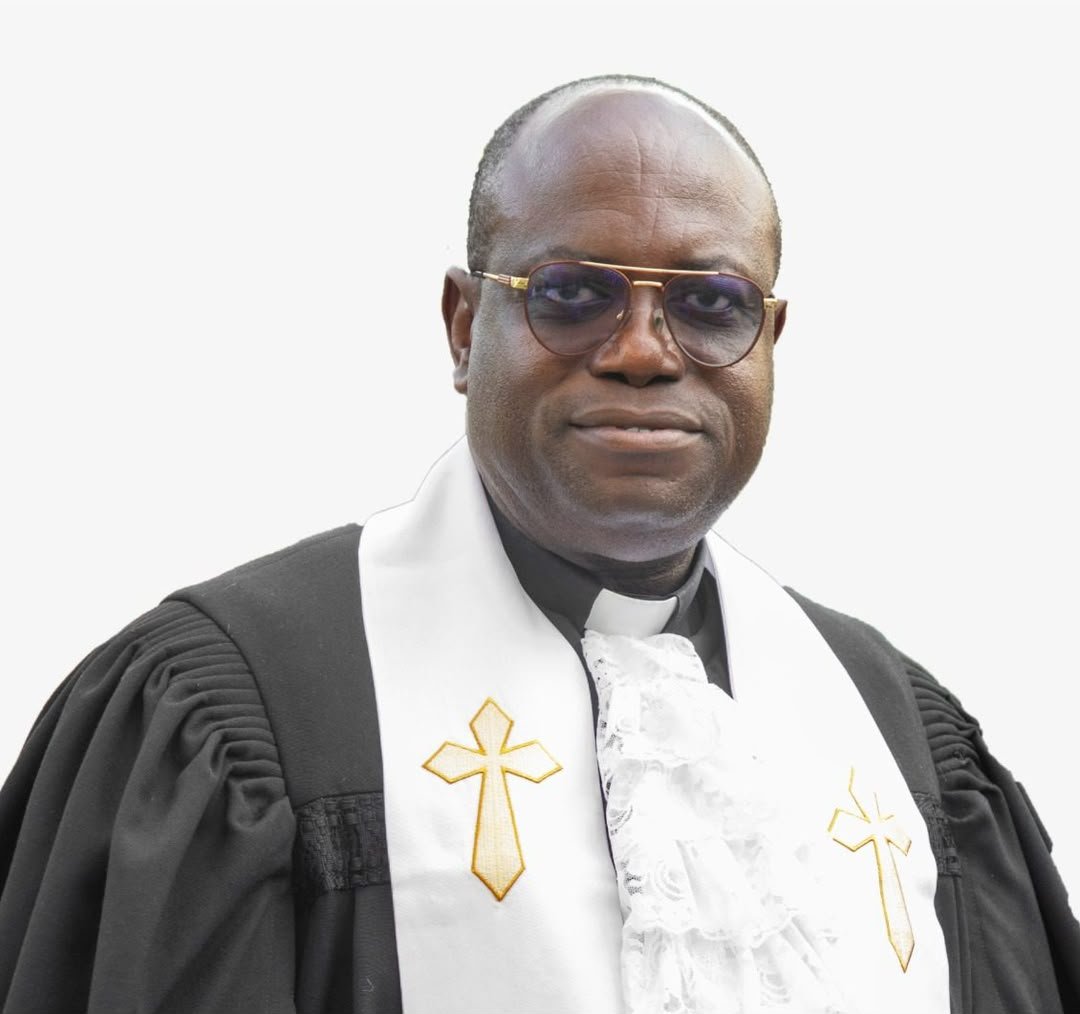
In a powerful address at the 44th Anniversary Remembrance Service for three assassinated High Court judges, the Moderator of the Presbyterian Church of Ghana issued a solemn call to the nation’s legal profession: embody the courage, fairness, and integrity of those who made the ultimate sacrifice for justice, or risk watching Ghana’s moral foundations erode further.
The Right Reverend Dr Abraham Nana Opare Kwakye spoke before a gathering that included jurists, legal practitioners, family members of the deceased, and public officials at the International Central Gospel Church in Accra. His message was clear and unambiguous—the legacies of Justice Fred Poku Sarkodie, Justice Cecilia Koranteng-Addow, and Justice Kwadwo Agyei Agyepong, who were abducted, murdered, and burned in 1982, must serve as both inspiration and warning for contemporary Ghana.
These three jurists, alongside military officer Major Sam Acquah, met their fate on June 30, 1982, when they were seized from their homes, taken to the Bundase Military Range, executed, and their bodies doused in petrol before being set aflame—a brutal act that shocked the nation and left an indelible scar on Ghana’s judicial history. Their annual remembrance, the Moderator emphasized, is not mere ritual but a necessary confrontation with the values that define a society.
“What values are we leaving for the next generation?” Kwakye challenged his audience. “Are we ready to pass on nepotism, carelessness and corruption, or true human values?” This question strikes at the heart of Ghana’s ongoing struggle with institutional integrity—a struggle where the judiciary, as the Moderator noted, remains “the nation’s last hope” amid declining public trust in other governmental bodies.
His warning was dire: “We cannot continue to hold remembrance services if judgments in our courts are coloured by partisan politics or if justice is served to the highest bidder.” The observation speaks to a persistent concern in Ghana’s legal landscape—where perceptions of bias and influence-peddling undermine public confidence in judicial outcomes. By invoking the murdered judges’ example of “dignity, courage and impartiality,” Kwakye framed their legacy not as historical footnote but as living standard for today’s legal practitioners.
This historical struggle for judicial independence echoes themes explored in our examination of [Ghana’s Supreme Court evolution over 150 years](/150-years-of-ghanas-supreme-court-a-historical-overview), where we traced how the institution has navigated colonial legacies, military interruptions, and democratic transitions to become the constitutional guardian it is today.
The Moderator’s address extended criticism beyond the bench to the bar, cautioning lawyers against “colluding to defraud their clients”—a practice he declared fundamentally incompatible with the ideals for which the three judges died. This linkage between judicial integrity and ethical legal practice underscores a systemic view of justice administration that extends beyond courtroom proceedings to the broader legal ecosystem.
Perhaps most significantly, Kwakye connected individual actions to societal consequences with the profound observation: “Today, one lawyer or judge may benefit from your complicity or silence, but remember that injustice anywhere is a threat to justice everywhere.” This statement elevates the discussion from professional ethics to civic responsibility, suggesting that maintaining a just society requires active participation from all citizens—not just those within the legal profession.
Echoing this sentiment, Mrs. Efua Ghartey, President of the Ghana Bar Association, reinforced the need for institutional independence, urging Ghanaians to “reject all forms of division and safeguard national unity” while stressing “the need to insulate the Judiciary from all forms of interference to enable judges to administer justice impartially.” Her remarks highlight the structural safeguers necessary for judicial integrity to flourish—a theme that resonates throughout discussions of democratic governance and rule of law.
This concern about external pressures on judicial independence connects to contemporary challenges documented in our analysis of [how powerful figures use legal systems to suppress dissent](/powerful-individuals-using-defamation-suits-to-silence-journalists-gja-general-secretary-3), where we examined how strategic litigation targets not just individual journalists but the very foundation of press freedom—a cornerstone of any democratic society.
The service itself served as a poignant reminder of the human cost behind judicial ideals. Attended by the judges’ family members, sitting jurists from various court levels, law students, members of parliament, and former Attorney-General Godfred Yeboah Dame, the gathering transformed abstract principles into tangible legacy—a legacy not of statutes or precedents, but of personal sacrifice in pursuit of what is right.
As Ghana continues to grapple with questions of accountability, transparency, and equitable justice application, the Moderator’s address provides a clear moral compass. The path forward, he suggested, lies not in complex reforms alone but in the daily embodiment of virtues that cost three jurists their lives: courage to resist pressure, fairness in application, integrity in motive, and empathy for those seeking redress. In honoring their memory through emulation rather than mere memorialization, Ghana’s legal community has an opportunity to transform tragedy into enduring institutional strength—one that upholds the rule of law not as an abstract ideal, but as a lived reality protecting every citizen’s dignity and rights.
Image Source: GHANA BUSINESS NEWS