Cholera, typhoid, and snakebites: Ghana Health Service warns public over escalating rainy-season dangers
Cholera, typhoid, and snakebites: Ghana Health Service warns public over escalating rainy-season dangers
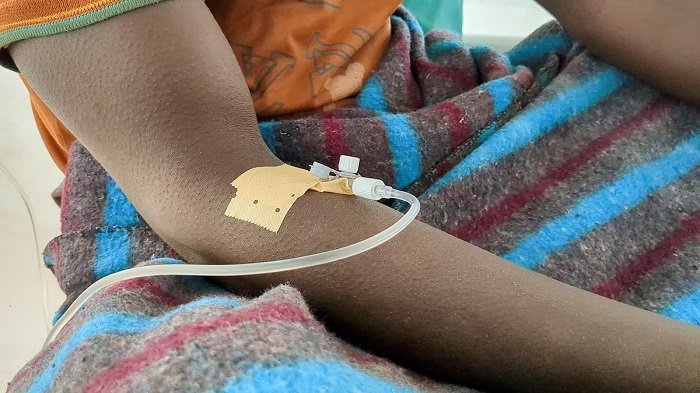
The Ghana Health Service (GHS) has issued an urgent public health alert warning of heightened risks of cholera, typhoid fever, and venomous snakebites as the 2026 rainy season intensifies across the country. In a statement released on June 29, 2026, the GHS attributed the surge in waterborne and vector-borne diseases to widespread flooding, poor sanitation, and contaminated water sources, urging immediate preventive actions from communities and health authorities.
According to the GHS, heavy rains have flooded low-lying areas in Accra, Kumasi, and other regions, overwhelming drainage systems and contaminating drinking water sources with fecal matter and waste. This creates ideal conditions for outbreaks of cholera and typhoid, which spread through ingestion of contaminated water or food. The agency reported that surveillance systems have already detected a rise in suspected cholera cases in the Greater Accra Region, prompting immediate investigation and response teams to be deployed.
Dr. Samuel Kaba Akoriyea, Director-General of the GHS, emphasized that preventive measures are critical to averting a public health crisis. “We urge the public to keep their surroundings clean, eliminate stagnant water around homes and markets, and practice safe food hygiene to protect themselves and their families,” he stated. The GHS recommended boiling or treating drinking water before consumption, washing hands frequently with soap under running water, and avoiding consumption of raw or undercooked food, particularly seafood and street-vendor items that may be exposed to contaminants.
For snakebite prevention, the agency advised clearing bushes and tall grass around homes, using bed nets while sleeping, wearing protective footwear when walking outdoors, and seeking immediate medical attention if bitten, as timely administration of antivenom can be life-saving. The GHS also warned against traditional practices such as applying tourniquets or cutting the wound, which can worsen outcomes.
The warning comes amid reports of flooding in parts of Accra that have displaced residents, damaged infrastructure, and increased the risk of waterborne diseases. In related developments, the Presidency has issued a flood safety advisory urging citizens to avoid floodwaters, cooperate with disaster management teams, and seek shelter in designated safe zones. Meanwhile, the Ministry of Gender, Children and Social Protection has announced that vulnerable groups such as children, the elderly, and persons with disabilities will receive priority support in flood response efforts, including access to clean water, sanitation facilities, and medical care.
As the rainy season progresses, the GHS stresses that early detection and prompt treatment are essential to reducing mortality and preventing outbreaks. Health facilities nationwide have been placed on alert to manage potential cases, with surveillance teams monitoring symptoms and laboratory capacity increased for rapid diagnosis. Public education campaigns are being rolled out through community radio, social media, and door-to-door outreach to inform communities about symptoms such as severe diarrhea and vomiting (cholera), prolonged fever and abdominal pain (typhoid), and puncture wounds with swelling and pain (snakebite).
The agency also called on food vendors and market operators to maintain strict hygiene standards, source products from approved suppliers, and separate raw and ready-to-eat foods to prevent cross-contamination. Municipal assemblies have been urged to intensify waste collection and drain clearing to reduce flooding and contamination risks.
With climate change exacerbating weather patterns across West Africa, the GHS warned that such health threats may become more frequent and severe, necessitating long-term investments in sanitation infrastructure, flood defenses, and disease surveillance systems. The agency reiterated its commitment to working with government ministries, international partners, and local communities to build resilience and protect public health during the rainy season and beyond.
Image Source: MYJOYONLINE