Chinese bid for Atlantic Lithium puts Ghana's local ownership model at Ewoyaa to the test
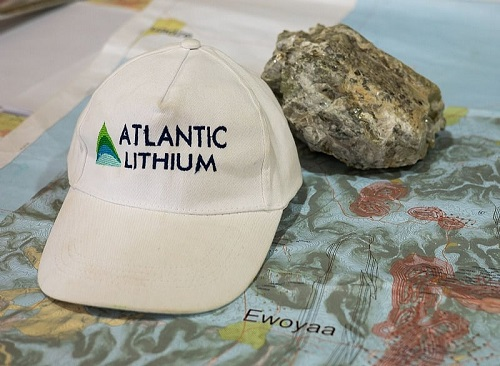
The proposed acquisition of Atlantic Lithium by Chinese battery materials giant Zhejiang Huayou Cobalt has ignited a critical debate over the future of Ghana’s Ewoyaa Lithium Project and the viability of its pioneering local ownership framework.
Announced on May 7, 2026, the $210 million transaction would see Huayou assume full control of Atlantic Lithium, the Australia-listed company holding the rights to develop the Ewoyaa deposit in Ghana’s Central Region. Crucially, the agreement includes Huayou’s commitment to cover the remaining development funding for the mine—a pivotal detail that could allow project advancement to proceed regardless of whether the broader takeover succeeds, effectively decoupling financing from equity ownership.
At the heart of the matter lies the mining lease ratified by Ghana’s Parliament in October 2023 and subsequently renegotiated and re-executed on December 19, 2025. Unlike conventional mining agreements in Ghana, this lease deliberately sought to embed Ghanaian participation beyond the traditional channels of royalties, corporate taxes and the state’s free carried interest (which stands at 13%). It mandated that Barari DV, the leaseholder, or its parent company Atlantic Lithium, list on the Ghana Stock Exchange (GSE) in accordance with Regulation 13 of the Minerals and Mining (Local Content and Local Participation) Regulations, 2020 (LI 2431). This provision was designed to facilitate direct share ownership by Ghanaian citizens, allowing them to invest in the project’s success. Additionally, the lease provides for the Minerals Income Investment Fund (MIIF)—Ghana’s sovereign minerals fund, tasked with investing mineral royalties for the long-term benefit of citizens—to acquire an equity stake in the project, with terms to be negotiated between the company and the fund.
In early 2024, MIIF acted on this provision by subscribing for approximately 19.2 million Atlantic Lithium shares at an average price of $0.2598 per share, amounting to a $5 million investment that secured a 2.4% equity stake and board representation. This move was heralded as a significant step toward realizing the lease’s local participation objectives, giving Ghanaians a voice in company-level decisions through their sovereign fund.
However, Huayou’s own transaction announcement casts doubt on the durability of these arrangements. The company states that, upon completion of the acquisition, it would indirectly hold about 87% of the Ewoyaa Lithium Project, with Atlantic Lithium set to be delisted from the London Stock Exchange’s AIM, the Australian Securities Exchange, and critically, the Ghana Stock Exchange. Such a delisting would erase the GSE listing requirement—a cornerstone of the lease’s local participation strategy—unless Huayou opts to maintain or replicate an alternative share ownership mechanism for Ghanaians.
The implications for MIIF are equally significant. Based on the proposed acquisition terms, the fund would receive approximately $0.25486 per share, about 1.9% below its 2024 acquisition cost. This implies a potential marginal loss of roughly $95,000 (¢1 million) if the transaction proceeds on the announced terms, a figure that could worsen when converted to cedis given the currency’s recent strength against the dollar. While the state’s 13% free carried interest appears insulated under current structures, the fate of MIIF’s stake—and by extension, one of the key channels for sovereign-led local participation—remains unresolved.
These developments pose a direct test to the lease’s local participation provisions, which were championed during parliamentary debate as a means to ensure Ghanaians benefit not only through fiscal contributions but also through tangible asset ownership. The move away from reliance solely on royalties and taxes toward equity-based participation represented a deliberate policy shift aimed at democratizing access to mining upside. Yet, as the Huayou bid advances, regulators including the Ministry of Lands and Natural Resources, the Securities and Exchange Commission, and the Ghana Revenue Authority must grapple with whether the transaction aligns with the lease’s spirit and letter.
A spokesperson for the Ministry declined to comment, citing the need for further information, while MIIF has acknowledged receipt of inquiries but withheld its position. The Securities and Exchange Commission similarly declined to state its stance at the time of reporting.
As Ghana navigates this crossroads, the outcome will determine whether the Ewoyaa project remains a benchmark for inclusive resource governance or succumbs to the prevailing trend of external control that has historically limited local upside in the nation’s mining sector. The decision carries weight beyond Ewoyaa, potentially setting a precedent for how future mining leases balance foreign investment with national participation objectives in Ghana’s resource-rich landscape.
Historically, mining agreements in Ghana have often prioritized state revenue through royalties and taxes, with limited mechanisms for direct citizen or institutional equity participation. The Ewoyaa lease, by contrast, emerged from a concerted effort by the Minerals Commission and the Ministry of Lands and Natural Resources to reform local content policies, inspired by successful models in Botswana and Namibia where state equity stakes and local share ownership have contributed to more equitable resource governance.
The parliamentary approval of the lease in 2023 was hailed as a landmark moment, signaling Ghana’s commitment to ensuring that mining ventures deliver broader socioeconomic dividends. Civil society groups and industry analysts alike praised the GSE listing requirement and MIIF participation as innovative tools to democratize access to mining wealth, particularly for ordinary Ghanaians lacking indirect exposure through state budgets.
Yet, the specter of foreign consolidation looms large. Ghana’s mining sector has witnessed waves of foreign investment, from colonial-era gold mines to modern bauxite and manganese operations, often resulting in limited local retention of value. The Ewoyaa project was conceived as a bulwark against this trend, aiming to lock in Ghanaian upside through structural safeguards embedded in the lease agreement.
Now, as Huayou’s advance looms, the nation faces a defining test: can innovative local ownership frameworks withstand the pressures of global commodity markets and the strategic interests of multinational corporations? The answer will reverberate far beyond Ewoyaa, influencing investor confidence in Ghana’s mining sector and shaping the continent’s approach to resource nationalism in the era of critical minerals.
Ultimately, the transaction’s fate hinges not only on financial and regulatory considerations but also on a fundamental question of national priority: whether Ghana values the symbolic and substantive empowerment of its citizens through resource ownership—or defaults to the familiar paradigm of external control that has long shaped its extractive industries.
Even if the takeover proceeds, Huayou could theoretically maintain a dual-class share structure on the GSE or establish a Ghana-focused investment vehicle to preserve local participation avenues. However, without explicit commitments to such alternatives, the delisting threat remains a material risk to the lease’s core intentions.
The coming months will be critical, as regulators weigh not only the legal propriety of the deal but also its adherence to the participatory ethos that undergirds Ghana’s post-2020 mining policy framework.