Cape Coast Assembly to demolish structures on waterways after deadly floods
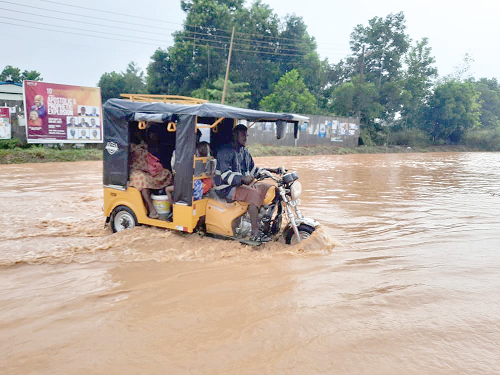
The Cape Coast Metropolitan Assembly has announced plans to demolish structures built on waterways, storm drains, road reservations and other unauthorized locations following recent floods that claimed four lives and displaced hundreds of residents.
The move comes after heavy rainfall on June 19 and June 21 inundated communities including Ekon, Abura, the University of Cape Coast enclave, Ameen Sangari, OLA/Nkanfoa, Eyifua, Mpeasem, Adisadel, Nkanfoa and Asenadze, causing widespread property damage and disruption.
According to the Assembly, eight houses, mostly mud structures, collapsed during the floods, resulting in the deaths of four people (including three children) and injuries to five others receiving treatment at the Ewim Polyclinic and Cape Coast Teaching Hospital. Numerous families were displaced and are struggling to recover from their losses.
Metropolitan Chief Executive Justice Arthur has visited the affected families to offer support and condolences on behalf of the Assembly. Emergency measures have commenced, including the demolition of already-collapsed buildings and identification of unsafe structures as the rainy season continues.
In a statement issued on June 22, the Assembly outlined a comprehensive response to address the flooding crisis, stating: \”Looking ahead, the Assembly is committed to addressing the root causes of flooding in the Metropolis. Plans are being developed to design and construct a comprehensive drainage system capable of managing stormwater effectively. In the interim, all choked gutters will be desilted, as poor drainage remains a major contributor to flooding.\”
The Assembly also announced a large-scale desilting exercise and urged residents and developers to comply with planning regulations and obtain necessary permits before undertaking construction projects.
The floods have highlighted the vulnerability of coastal cities to extreme weather events, with experts noting that inadequate urban planning and encroachment on natural waterways exacerbate flood risks. The demolition campaign aims to restore the natural flow of water and reduce future flood impacts.
Environmental advocates have long warned that Ghana’s flood challenges are largely driven by human activities rather than purely natural causes, calling for stricter enforcement of building codes and better urban planning.
As the city works to recover from the recent disaster, the demolition initiative represents a proactive step toward mitigating future flood risks and building resilience in the face of changing weather patterns.