Bed Shortages Push Nearly 3,000 Patients Into Corridor Care in UK Hospitals
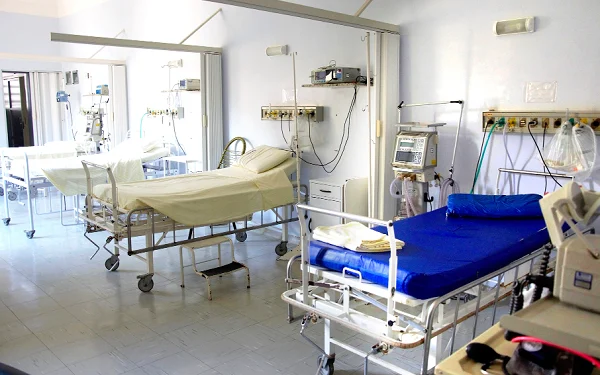
Fresh data from England’s National Health Service has laid bare the scale of a bed crisis gripping hospitals across the country, with nearly 3,000 patients each day receiving treatment in corridors and other improvised spaces because of a severe shortage of hospital beds.
Figures published by the NHS and highlighted by the BBC show that during May 2026, an average of 2,241 patients per day were treated in accident and emergency department corridors, while a further 669 were cared for in makeshift locations elsewhere in hospitals — including converted rooms and temporary treatment spaces.
The data provides one of the clearest pictures yet of a practice that health professionals have increasingly described as unsustainable. NHS analysis found that just 20 hospital trusts accounted for more than half of all corridor care cases recorded in emergency departments, while another 20 trusts were responsible for more than two-thirds of similar cases elsewhere in hospitals.
The developments in England are likely to resonate with many Ghanaians familiar with recurring episodes of what has long been described as the country’s “no bed syndrome.” Major referral and teaching hospitals such as the Korle Bu Teaching Hospital and the Komfo Anokye Teaching Hospital have periodically struggled with overcrowding, forcing health workers to improvise in order to accommodate patients requiring urgent care.
At the height of some of these crises, health authorities urged facilities to make use of available spaces, including chairs, corridors and temporary holding areas, rather than turn patients away completely — a practice that has drawn widespread public concern and political debate.
Health policy experts say the latest NHS figures demonstrate that even advanced healthcare systems can face serious operational difficulties when infrastructure expansion fails to keep pace with rising patient demand. Increasing hospital bed capacity, improving emergency care systems, strengthening community healthcare and expanding staffing levels remain critical to preventing overcrowding and preserving patient dignity.
The NHS has attributed much of the pressure on hospitals to growing demand for emergency care, an ageing population, delays in discharging patients and broader capacity constraints within the health system. The publication of the corridor care data is expected to intensify calls for additional investment and reforms aimed at reducing overcrowding.
For many healthcare professionals, however, the issue extends beyond statistics and policy discussions. They insist that every patient deserves treatment in a safe, dignified and properly equipped environment — a standard that becomes increasingly difficult to maintain when hospitals are forced to rely on corridors and makeshift spaces as substitutes for hospital beds.
As governments around the world grapple with rising healthcare demands and finite resources, the NHS experience serves as a reminder that bed shortages remain one of the most persistent challenges confronting modern healthcare systems, from London to Accra and beyond.
Image Source: MYJOYONLINE