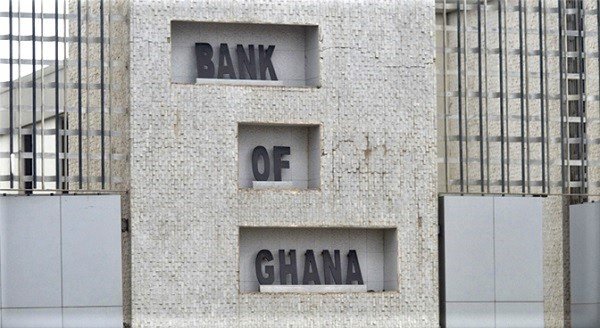
The Bank of Ghana has issued comprehensive new regulations governing the registration and operations of all International Money Transfer Operators (IMTOs), facilitating money flows into the country.
The “Guidelines for the Registration and Operations of International Money Transfer Operators (IMTOs) in Ghana,” dated December 2025, establishes a rigorous framework aimed at strengthening oversight, consumer protection, and the integrity of the vital remittance sector.
Citing remittances as “a vital pillar of Ghana’s socio-economic development,” the Central Bank states the evolving digital landscape necessitates a “robust regulatory framework” to uphold public trust and safeguard financial stability.
A cornerstone of the new regime is a strict licensing process. Prospective IMTOs must already be licensed in their home country and submit a detailed application to the Bank of Ghana, including shareholder structures, profiles of ultimate beneficial owners, and internal control systems.
Operationally, the guidelines impose significant restrictions. Registered IMTOs are confined strictly to inward remittance services on a “person-to-person transfer” basis.
They are explicitly prohibited from a suite of financial activities, including outbound international transfers, deposit-taking, lending, and forex trading.
Furthermore, the Bank of Ghana has mandated specific settlement rules. All inward transactions must be settled in Ghana Cedis through a designated bank account.
Compliance obligations are stringent. IMTOs and their agents must collect detailed transaction data, including the purpose of transfer and beneficiary gender, and maintain records for at least six years.
The guidelines also enforce a clear chain of accountability. While IMTOs must operate through approved agent banks or payment service providers, they bear ultimate responsibility for compliance.
Sanctions for non-compliance are severe, ranging from fines to suspension and outright de-registration.
Image Source: MYJOYONLINE