African Negotiators Push to Centre Health in Global Climate Talks Ahead of SB64
African climate negotiators have renewed calls for health to become a central pillar of global climate action, warning that climate change is increasingly evolving into a major public health crisis across the continent.
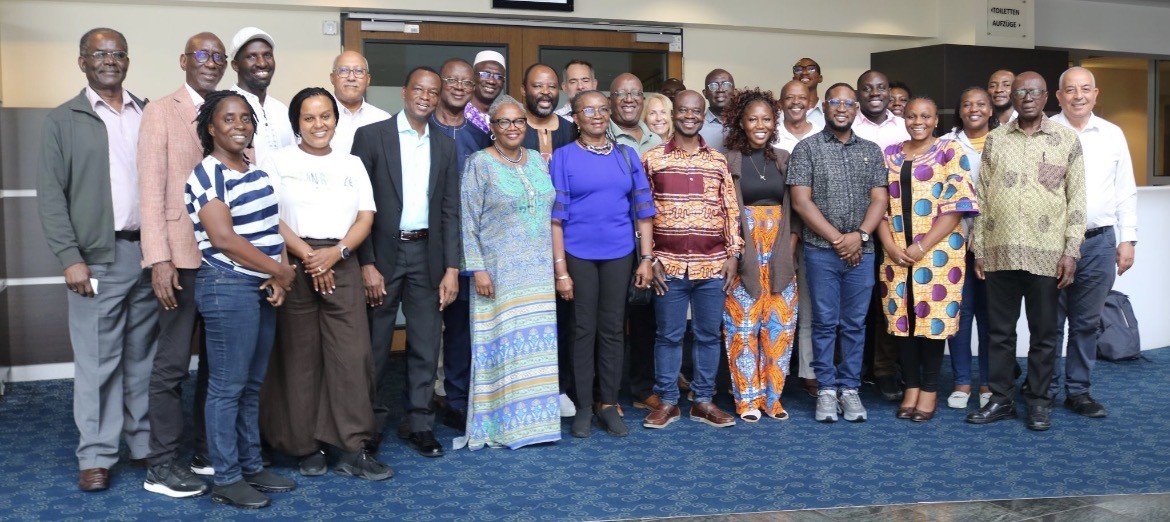
The call was made during a Climate and Health Capacity Building Workshop held on Sunday, convened ahead of the 64th Session of the Subsidiary Bodies (SB64) of the United Nations Framework Convention on Climate Change, scheduled to take place in Bonn, Germany. The workshop brought together climate negotiators, technical experts, youth climate leaders, and representatives from key institutions to strengthen Africa’s engagement on climate and health issues in international negotiations.
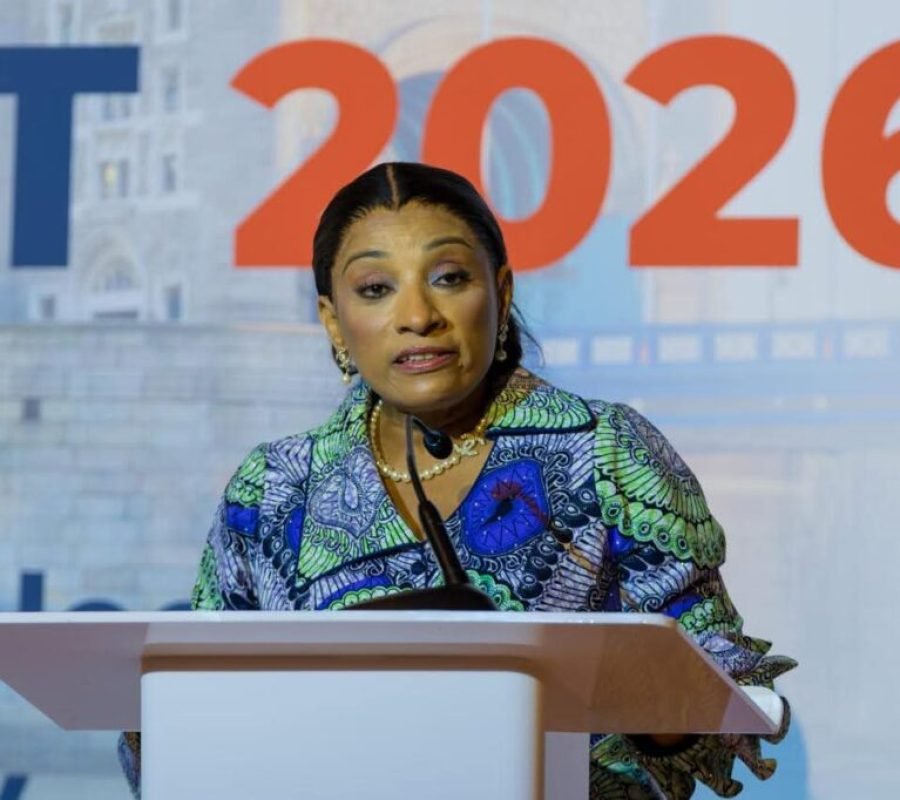
Nana Dr Antwi-Boasiako Amoah, Chair of the African Group of Negotiators, opened the session with a stark assessment of the continent’s predicament. He argued that the climate crisis was no longer solely an environmental issue but a direct threat to the health and well-being of millions of Africans.
“Climate and health are inseparable realities for Africa,” Dr Amoah said, pointing to rising temperatures, prolonged droughts, devastating floods, worsening food insecurity, air pollution, and shifting disease patterns as compounding pressures on already fragile health systems across the continent.
“We continue to witness climate-sensitive diseases expanding into new geographies, health infrastructure being damaged by extreme weather events, and increasing burdens on already stretched public health systems in Africa,” he added.
The workshop, supported by the International Institute for Sustainable Development, builds on momentum generated by the launch of Africa’s first Climate and Health Curriculum for negotiators. The curriculum, developed by Amref Health Africa, was introduced in Dar es Salaam, Tanzania, last year to enhance the capacity of African negotiators to integrate health considerations into climate policy discussions.
Participants from the World Health Organisation Regional Office for Africa, the Africa Centres for Disease Control and Prevention, Amref Health Africa, and IISD discussed emerging climate-related health risks and strategies to strengthen Africa’s negotiating positions on adaptation, resilience, and climate finance.
Dr Amoah highlighted progress made by African negotiators in securing the inclusion of health considerations under the Global Goal on Adaptation, a key component of the Paris Agreement. He pointed to the adoption of the Belém Adaptation Indicators and ongoing discussions under the Baku Adaptation Roadmap as presenting a significant opportunity for Africa to influence how global adaptation efforts are measured, financed, and implemented.
“We must ensure that health indicators under the Global Goal on Adaptation are meaningful, context-specific, and responsive to Africa’s realities,” he said. Describing health as “the human face of the climate crisis,” Dr Amoah argued that efforts to address climate change would be incomplete without prioritising the protection of lives and livelihoods.
“If climate negotiations are ultimately about protecting people, then health must remain at the centre of global climate action,” he concluded.
Image Source: GHANA BUSINESS NEWS