Africa Demands Faster Climate Action and Fair Finance as UN Talks Open in Bonn
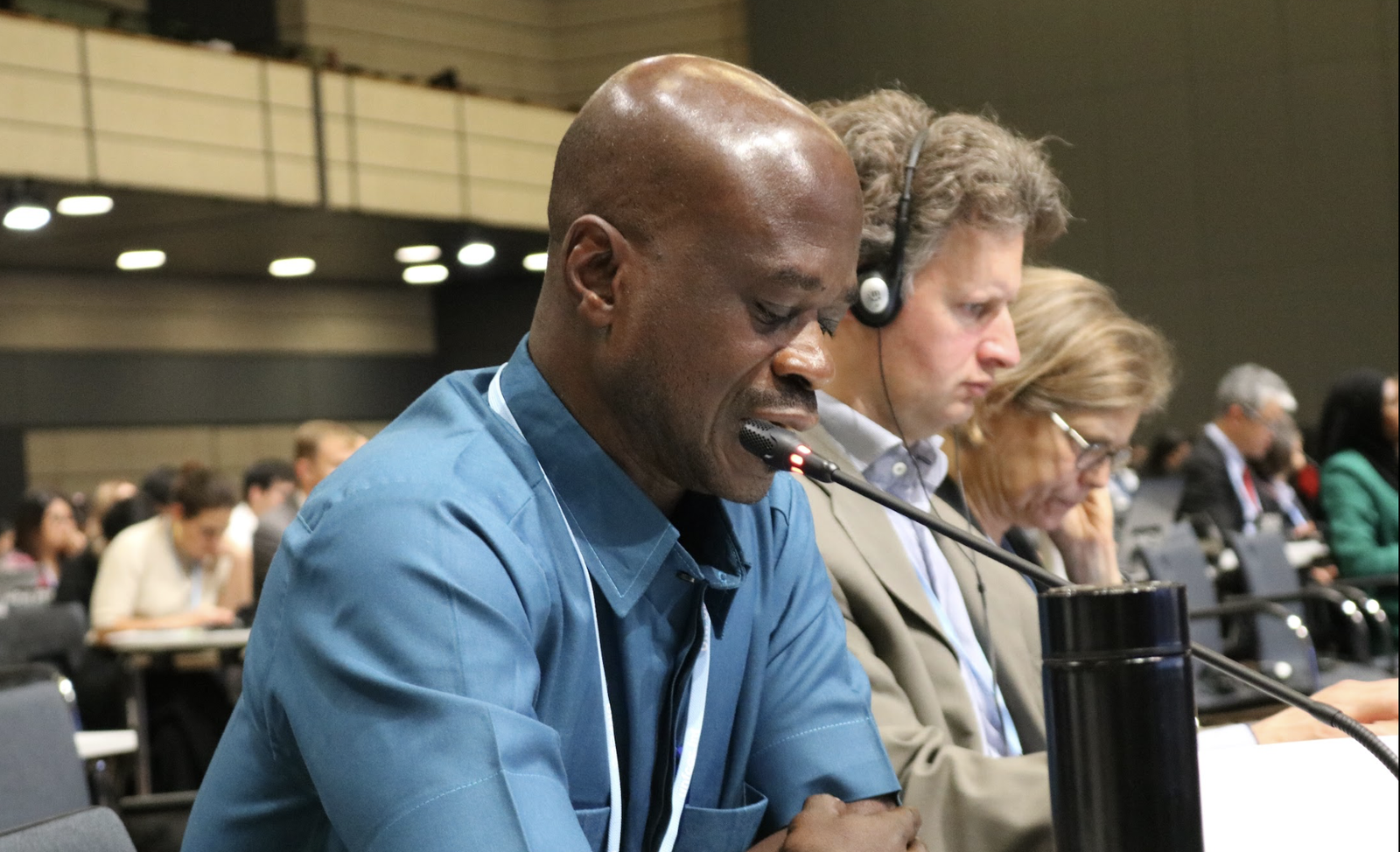
The African Group of Negotiators on Climate Change has called for a stronger focus on adaptation, climate finance and equitable international cooperation as negotiations opened at the Sixty-Fourth Sessions of the Subsidiary Bodies of the United Nations Framework Convention on Climate Change in Bonn, Germany.
Nana Dr Antwi-Boasiako Amoah, the AGN Chair, told delegates at the opening session on Monday that the climate process must respond more directly to the realities facing Africa and other vulnerable developing countries — a refrain that has become increasingly urgent as the continent grapples with escalating climate impacts despite contributing a fraction of global emissions.
The Bonn talks, which serve as the technical groundwork for the next Conference of the Parties, carry particular weight this year. Dr Amoah drew attention to warnings from the World Meteorological Organisation indicating an 80 per cent likelihood of El Niño conditions between June and August 2026, with continuation into later months highly probable. For Africa, already experiencing severe droughts, floods and food insecurity linked to climate variability, worsening El Niño conditions could have devastating consequences for livelihoods and development.
On adaptation, the AGN welcomed discussions under the Baku Adaptation Roadmap and the Belem-Addis Vision, stressing that agreed indicators should generate practical information to support implementation and feed into future Global Stocktake processes. The group called for progress on the composition and modalities of the Technical Task Force and emphasised that implementation discussions should remain grounded in obligations under the Paris Agreement.
Dr Amoah raised pointed questions about the absence of agenda items on Loss and Damage and National Adaptation Plans, describing the situation as inconsistent with the urgency often expressed in climate negotiations. The omission is particularly striking given that loss and damage — the irreversible harm caused by climate change that goes beyond what communities can adapt to — has been one of Africa’s most hard-fought demands in international climate forums.
On the mandated Climate and Trade Dialogue, the AGN Chair called for clarity on how outcomes of discussions would be captured and reported ahead of the high-level event scheduled for 2028. He proposed that consultations during the Bonn session establish procedures for documenting outcomes across the three dialogues and preparing the final report.
The group further urged a balanced allocation of negotiation time on Just Transition to support the operationalisation of the mechanism and advancement of related work programmes — an area where African nations have consistently argued that the transition away from fossil fuels must be accompanied by financial and technical support that recognises the continent’s development imperatives.
Simon Stiell, the Executive Secretary of UN Climate Change, called on governments to accelerate implementation of climate commitments, warning that the world cannot afford delays, renewed negotiations or weakened ambition. “We are not where we need to be. But we are somewhere we have never been before,” he said, describing the Bonn meetings as an important stage toward future climate milestones, including discussions leading to COP33 and the next global stocktake process.
Mr Stiell cautioned against reopening past decisions or renegotiating existing commitments, arguing that the focus must shift toward delivery. For Africa, whose negotiators have consistently pushed for the continent’s climate vulnerabilities to be treated as a matter of global urgency rather than a footnote in broader geopolitical discussions, the Bonn session represents another test of whether the international community’s rhetoric on climate justice will translate into meaningful action.
Image Source: GHANA BUSINESS NEWS