AfCFTA Picks Rendeavour as First Implementation Partner to Drive African Industrialisation
The AfCFTA Rendeavour partnership is official. The African Continental Free Trade Area Secretariat has named Rendeavour, Africa’s largest new city builder, as its inaugural implementation partner for industrialisation and trade infrastructure across the continent.
The agreement, signed on the sidelines of Biashara Afrika 2026, positions Rendeavour as the first private sector partner tasked with helping translate the AfCFTA’s ambitious trade goals into physical infrastructure that businesses can use. The deal covers Special Economic Zones, trade corridors, and integrated industrial hubs linked to master-planned cities and logistics networks.
What the AfCFTA Rendeavour Partnership Aims to Achieve
Under the agreement, Rendeavour will support the AfCFTA Secretariat in three key areas. First, the company will help advance Special Economic Zones as catalysts for industrialisation across African nations. Second, it will work to mobilise private capital for trade-enabling infrastructure. Third, Rendeavour will develop trade and industrial corridors connected to its existing network of master-planned cities, logistics platforms and integrated industrial hubs.
The AfCFTA Rendeavour partnership comes at a critical time. The African Continental Free Trade Area, with a combined Gross Domestic Product of more than $3.4 trillion, is projected to generate an additional $450 billion in income across Africa by 2035. Yet intra-African trade currently accounts for only 14 per cent of the continent’s total trade, a figure that stakeholders say must improve dramatically.
Africa also hosts just four per cent of the world’s Special Economic Zones, with approximately 230 out of more than 5,400 globally. The partnership aims to close that gap by attracting investment into new industrial zones designed specifically for African trade.
How Rendeavour’s Infrastructure Supports the AfCFTA Vision
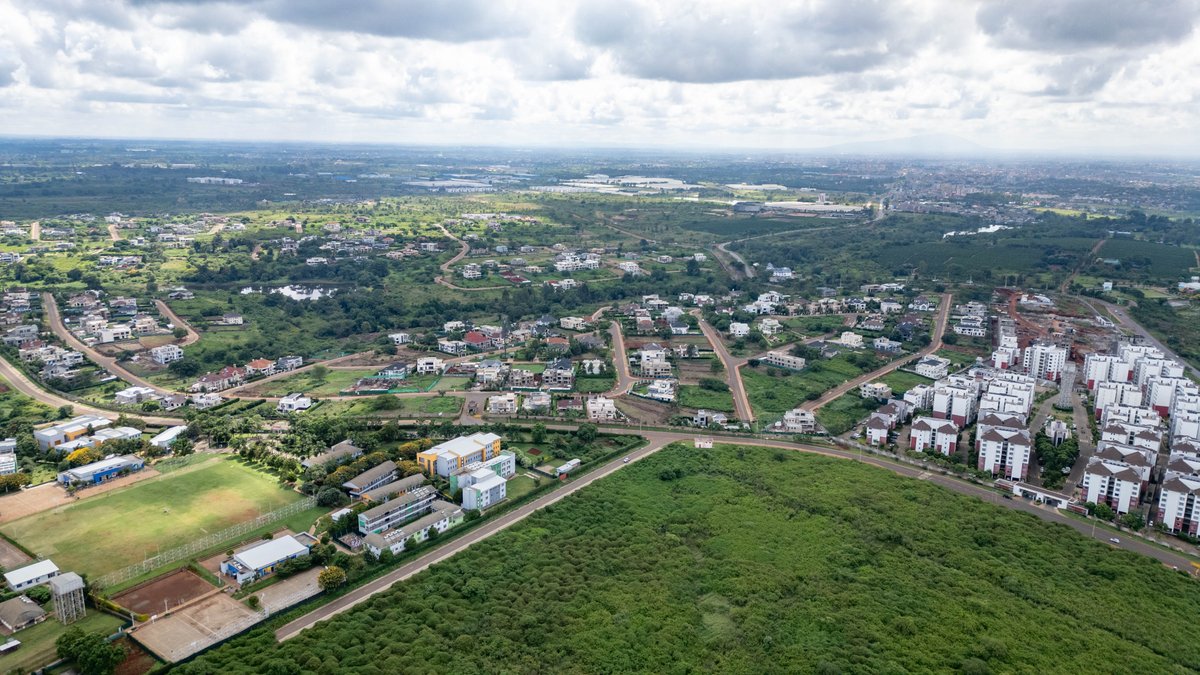
Rendeavour, backed by American, Norwegian, New Zealand and British investors, operates large-scale urban development projects in Nigeria, Kenya, Ghana, Zambia and the Democratic Republic of the Congo. The company’s projects are valued at more than $5 billion and include 250 businesses, schools serving over 6,000 students and 10,000 mixed-income homes.
The company’s Special Economic Zones, including Tatu City in Kenya and Alaro City in Nigeria, have already attracted billions of dollars in domestic and foreign investment. Other major projects include Kiswishi City in the Democratic Republic of the Congo, Jigna City in Nigeria, Roma Park in Zambia, as well as Appolonia City and King City in Ghana.
Collectively, Rendeavour’s developments have created more than 50,000 jobs over the past five years, including East Africa’s largest call centre with 5,000 young Kenyans serving clients like United Airlines, JetBlue and Amazon.
Stephen Jennings, Founder and Chief Executive Officer of Rendeavour, said the partnership marked a significant step towards translating Africa’s economic potential into tangible investments and industrial growth.
“Africa is not only the fastest growing region in the world; with time it will also become one of the safest and most reliable destinations for investment,” Jennings stated.
Why the AfCFTA Rendeavour Partnership Matters for Trade
Wamkele Mene, Secretary-General of the AfCFTA Secretariat, said the implementation of the AfCFTA required strategic partnerships capable of transforming the opportunities under the agreement into commercially viable industrial and trade ecosystems.
“Special Economic Zones, logistics platforms and integrated industrial infrastructure will play an important role in strengthening regional value chains, expanding manufacturing capacity and facilitating intra-African trade,” Mene said.
He described the AfCFTA Rendeavour partnership as a demonstration of growing private sector confidence in Africa’s single market and industrial future. The agreement signals that the continental trade bloc is moving beyond policy frameworks and into the physical infrastructure needed to make free trade a reality on the ground.
The African Continental Free Trade Area, a flagship project under Agenda 2063, came into force in May 2019 and started trading in January 2021. It brings together all 55 African Union member states to create a market of more than 1.3 billion people. The agreement covers trade in goods and services, digital trade, investment, intellectual property and competition policy, with the main goal of cutting trade barriers and boosting intra-African trade.
What Comes Next After the AfCFTA Rendeavour Deal
Estimates suggest the AfCFTA could increase intra-African trade by 52.3 per cent through tariff cuts and easier trade processes. But achieving that increase requires the physical infrastructure to move goods efficiently across borders, something that has historically been one of the continent’s biggest challenges.
The AfCFTA Rendeavour partnership directly addresses this gap by leveraging private sector investment to build the economic zones, logistics networks and industrial corridors that African businesses need. With Rendeavour’s track record of creating jobs and attracting foreign investment, the partnership represents a practical step toward making the AfCFTA’s vision of a connected, industrialised Africa a reality.
Biashara Afrika 2026, where the agreement was signed, brought together Heads of State and Government, ministers, regulators, investors and business leaders to promote industrialisation, intra-African trade and private sector-led growth across the continent.
Source: Ghana News Agency