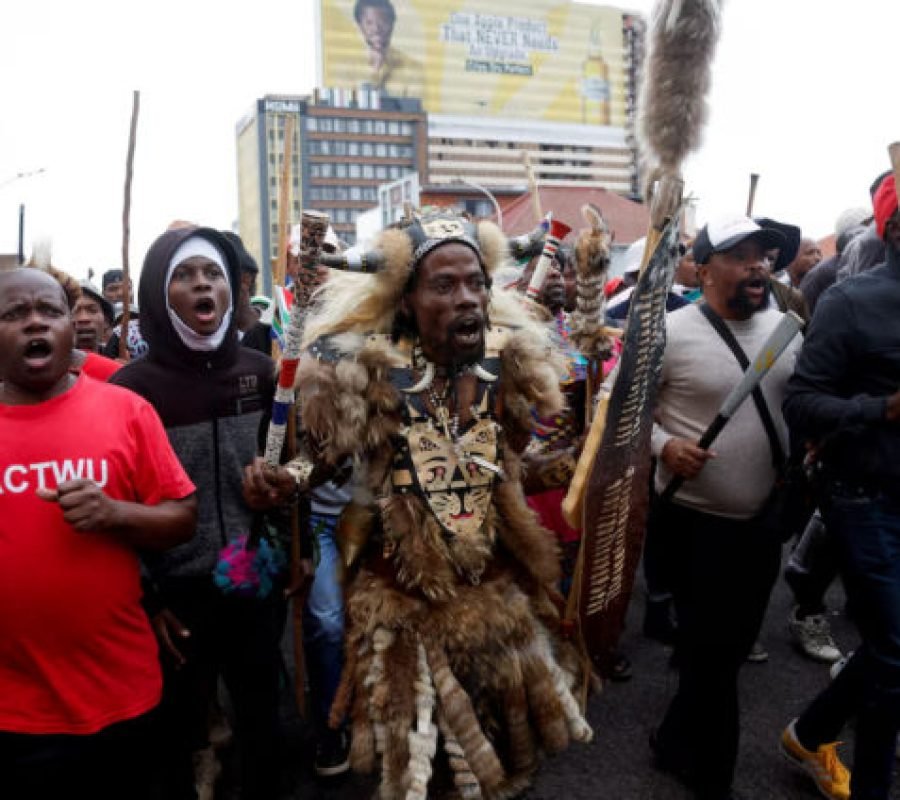
Abu Jinapor Warns Against Retaliatory Attacks on South Africans in Ghana
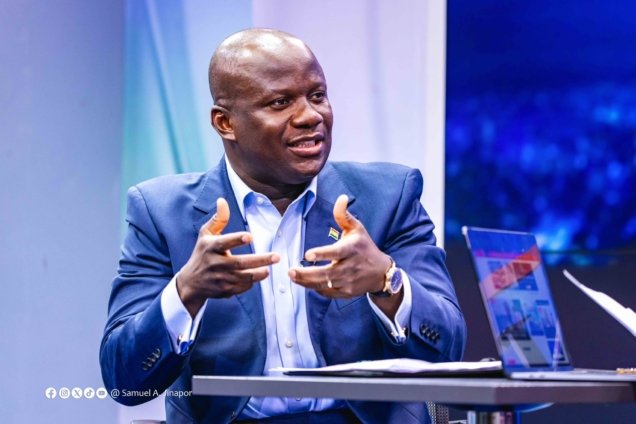
Samuel Abu Jinapor, the Member of Parliament for Damongo and Ranking Member on Parliament’s Foreign Affairs Committee, has cautioned against inflammatory rhetoric and retaliatory actions targeting South Africans living in Ghana and other African countries, warning that such responses could deepen tensions arising from ongoing xenophobic attacks in South Africa.
Appearing on JoyNews’ Newsfile programme on Saturday, May 30, Mr Jinapor said while there was widespread justification for anger and frustration over the treatment of foreign nationals in South Africa, African countries must avoid responding in ways that could trigger a cycle of reprisals across the continent.
“We also should be careful in the narrative and the discourse not to instigate a certain reaction which is very possible where South Africans, for example, are indiscriminately targeted here in Ghana and other parts of Africa,” he stated. “That would just worsen the situation.”
His comments come as Ghana continues efforts to evacuate citizens affected by the latest wave of xenophobic tensions. Approximately 300 Ghanaians have been repatriated so far, with authorities indicating that more evacuees are expected in the coming days. The Economic Fighters League’s Ernesto Yeboah has made similar calls for restraint, reflecting a growing consensus among Ghanaian political figures that measured responses serve the country better than emotional reactions.
Past incidents of xenophobic violence in South Africa have occasionally sparked calls for boycotts of South African businesses and retaliatory measures against South African nationals living elsewhere on the continent. In some instances, South African-owned companies operating in other African countries have faced threats, protests, and acts of vandalism.
Mr Jinapor warned that such reactions risk undermining the principles of African unity and solidarity that underpin regional integration efforts. He argued that while the anger is justified, indiscriminate targeting of innocent South Africans would only aggravate an already volatile situation.
The Damongo MP was nonetheless unequivocal in his condemnation of the attacks and called on South African authorities to take decisive action against those responsible for the violence. “I think whilst we continue to condemn the situation in South Africa and also call on the South African authorities to rise up to the occasion and crack down on this very unfortunate conduct by certain citizens of South Africa,” he said.
He further challenged explanations that attribute xenophobic violence solely to unemployment and economic hardship. “The body politic in South Africa itself is problematic and the matter cannot be reduced to unemployment,” he observed, suggesting that deeper political and social challenges within the country are at the root of the recurring attacks.
Mr Jinapor also raised concerns about what he described as “constructive complicity from the government of the day,” arguing that the response of South African political leaders to xenophobic violence remains a legitimate point of criticism that deserves serious consideration.
His remarks reflect the delicate balance that African leaders are attempting to strike between expressing solidarity with victims of xenophobic violence and maintaining diplomatic composure. The challenge, analysts say, is to channel public outrage into constructive diplomatic pressure rather than allowing it to erupt into retaliatory actions that could endanger South Africans living peacefully across the continent.
Image Source: MYJOYONLINE