US launches strikes on Iran after tankers hit in Strait of Hormuz
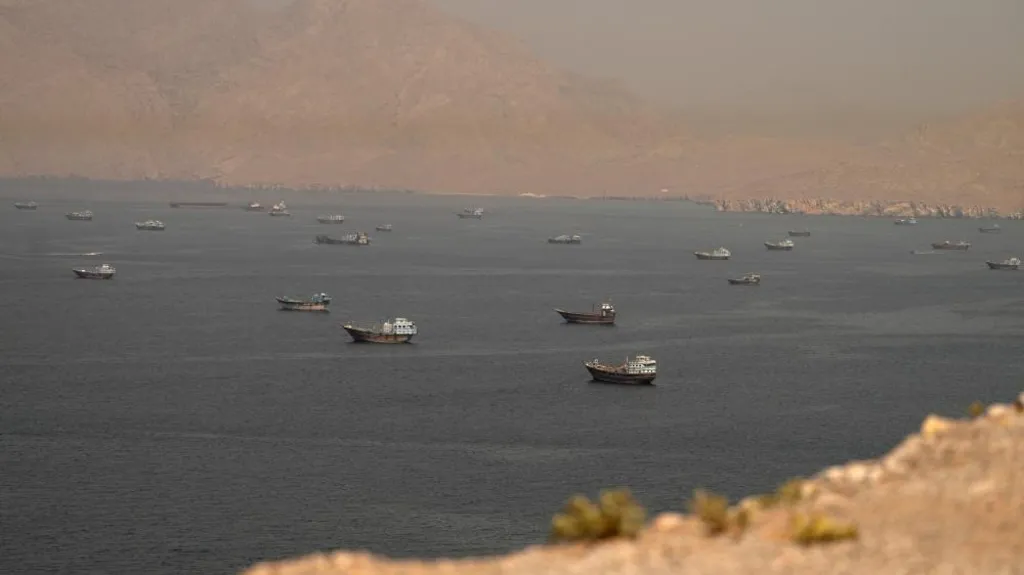
The United States has launched military strikes against Iran in response to attacks on commercial vessels in the strategic Strait of Hormuz, marking a significant escalation in tensions between the two nations and raising concerns about the stability of global oil supplies.
According to US Central Command (CENTCOM), the strikes were conducted to “impose heavy costs for targeting and attacking commercial shipping crewed by innocent individuals in an international waterway.” The operation followed damage to three tankers within a 24-hour period, as reported by the UK Maritime Trade Operations (UKMTO). No casualties were reported in the incidents.
The U.S. Treasury had previously revoked a sanctions waiver that allowed limited Iranian oil sales, a move that coincided with the attacks. Officials from Qatar and Saudi Arabia confirmed that tankers under their flags were among those targeted, emphasizing the regional implications of the assaults.
While Iran has denied responsibility, the U.S. maintains that the strikes were a necessary response to provocations that threaten freedom of navigation and regional security. The incident underscores the fragility of recent diplomatic efforts to revive the Iran nuclear deal and highlights the persistent volatility of the Strait of Hormuz, a critical chokepoint for global energy transit.
The Strait of Hormuz, located between Oman and Iran, is a vital artery for the world’s oil supply, with approximately one-fifth of global petroleum passing through its waters. Any disruption to traffic in this narrow passage can cause immediate spikes in oil prices and have cascading effects on economies worldwide. Historical precedents, such as the Tanker War of the 1980s during the Iran-Iraq conflict, demonstrate how quickly regional tensions can escalate into broader confrontations with global repercussions.
In recent years, the strait has been a focal point of U.S.-Iranian hostility, with periodic incidents involving seizures of vessels, missile threats, and close encounters between naval forces. The current incident occurs against a backdrop of stalled negotiations to revive the Joint Comprehensive Plan of Action (JCPOA), the 2015 agreement designed to limit Iran’s nuclear program in exchange for sanctions relief. The Trump administration’s withdrawal from the deal in 2018 and the subsequent reimposition of sanctions have contributed to a cycle of retaliation and counter-retaliation.
Military analysts warn that the latest strikes could provoke a retaliatory response from Iran, potentially involving asymmetric tactics such as mine-laying, drone attacks, or proxy actions through allied militias in Iraq, Syria, or Yemen. Such actions could further destabilize an already volatile region and draw in other powers, including Saudi Arabia, Israel, and the United Arab Emirates.
The international community, particularly nations reliant on Middle Eastern oil, has urged restraint. The European Union, China, and Japan have all expressed concern over the potential for supply disruptions and have called for a return to diplomatic dialogue. Meanwhile, oil prices have already begun to react, with benchmark Brent crude rising sharply following the news.
From a legal perspective, the U.S. action raises questions about the interpretation of self-defense under international law, particularly Article 51 of the UN Charter, which permits force in response to an armed attack. Critics argue that the strikes may constitute an unlawful use of force if not deemed proportional and necessary, while supporters contend that protecting international shipping lanes is a recognized responsibility of naval powers operating in the region.
Beyond economic and strategic concerns, the incident also highlights the humanitarian and environmental risks associated with military activity in confined maritime spaces. An escalation could lead to oil spills, endangering marine ecosystems and coastal communities that depend on fishing and tourism. The potential for miscalculation or accidental engagement with civilian vessels remains a serious concern, underscoring the need for clear communication and de-escalation mechanisms between the opposing forces.
Regional alliances, such as the Gulf Cooperation Council and the U.S.-led maritime security initiatives, play a crucial role in coordinating responses to such incidents. Their effectiveness in preventing escalation and ensuring collective security will be tested in the coming days and weeks.
As the situation develops, the effectiveness of U.S. deterrence and the resilience of diplomatic channels will be tested. For now, the focus remains on de-escalation and ensuring the safe passage of commercial vessels through one of the world’s most important maritime chokepoints.
Image Source: MYJOYONLINE