Federal Government Launches Nigeria Anti-Doping Centre’s Technical Board to Strengthen Sports Integrity and Fair Play

The Federal Government of Nigeria has taken a significant stride in reinforcing the integrity of the country’s sporting landscape by officially inaugurating the Technical Board of the Nigeria Anti-Doping Centre for Sports (NADCS). The move, announced during a high-profile ceremony, underscores the government’s commitment to combating doping in sports, ensuring fair competition, and safeguarding the health and well-being of Nigerian athletes.
This development marks a pivotal moment for Nigeria’s anti-doping framework. The NADCS, established under the auspices of the National Agency for the Prohibition of Traffic in Persons and Other Related Matters (NAPTIP), operates in collaboration with global anti-doping bodies such as the World Anti-Doping Agency (WADA). The newly constituted Technical Board is tasked with overseeing the implementation of anti-doping policies, conducting investigations, and enforcing compliance with international standards.
The Technical Board’s primary mandate includes five key areas. First, it will enforce adherence to the World Anti-Doping Code (WADC), which outlines prohibited substances and methods in sports, by monitoring athletes, coaches, and support personnel. Second, the board will investigate suspected doping cases and impose sanctions, including suspensions, fines, and disqualifications, in line with WADA guidelines. Third, to foster a culture of clean sports, the board will lead education and awareness campaigns targeting athletes, sports administrators, and the public about the dangers of doping and the importance of fair play. Fourth, the board will collaborate closely with Nigeria’s National Olympic Committee (NOC), sports federations, and international bodies to align anti-doping efforts with global best practices. Finally, the board will oversee the collection and analysis of doping samples, ensuring transparency and accuracy in testing procedures.
The board comprises experienced professionals from diverse fields, including sports medicine experts, legal advisors, anti-doping officers, representatives from sports federations, and WADA-accredited officials. This multidisciplinary composition ensures expertise, impartiality, and accountability in its operations.
Speaking at the inauguration ceremony, the Minister of Youth and Sports Development reiterated that the establishment of the Technical Board is a critical step in Nigeria’s journey toward WADA compliance and global recognition in sports, a sentiment echoed in our earlier coverage [of the board’s announcement](/fg-inaugurates-technical-board-of-nigeria-anti-doping-centre-for-sports). The minister also called on all stakeholders — athletes, coaches, and federations — to fully cooperate with the NADCS to ensure a doping-free environment.
While the inauguration is a positive development, challenges remain in fully implementing anti-doping measures. Resource constraints may hinder adequate funding for testing, investigations, and education. Athlete awareness remains a concern, as many may still be unaware of prohibited substances or the consequences of doping. Furthermore, corporate and political interference have historically complicated doping cases, necessitating strong enforcement mechanisms.
However, with the Technical Board now in place, Nigeria is better positioned to address these challenges systematically. The board’s structured approach, combined with stricter monitoring and penalties, is expected to deter doping and promote a cleaner, more competitive sporting landscape. This initiative aligns with international standards set by WADA, which requires member countries to have functional anti-doping organizations. By establishing a fully operational Technical Board, Nigeria is taking a proactive step toward WADA accreditation, which would further enhance the country’s reputation in global sports governance.
As the board begins its operations, the expectation is high for a more transparent, accountable, and doping-free sporting environment in Nigeria. This development not only benefits athletes but also strengthens Nigeria’s position in the global sports community, ensuring that Nigerian athletes compete on a level playing field with their counterparts worldwide.
The road ahead requires continued collaboration between the government, sports bodies, and athletes, but the foundation has been firmly laid for a new era of sports integrity in Nigeria.
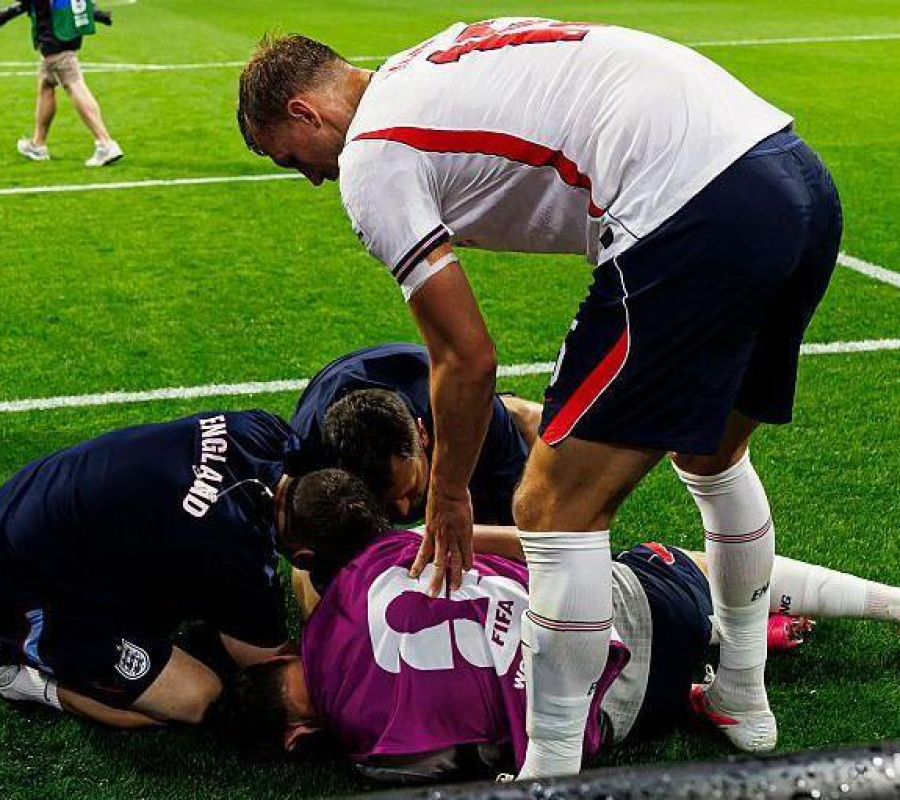
Image Source: GHANAMMA