Government launches dedicated GETFund support for learners with special educational needs
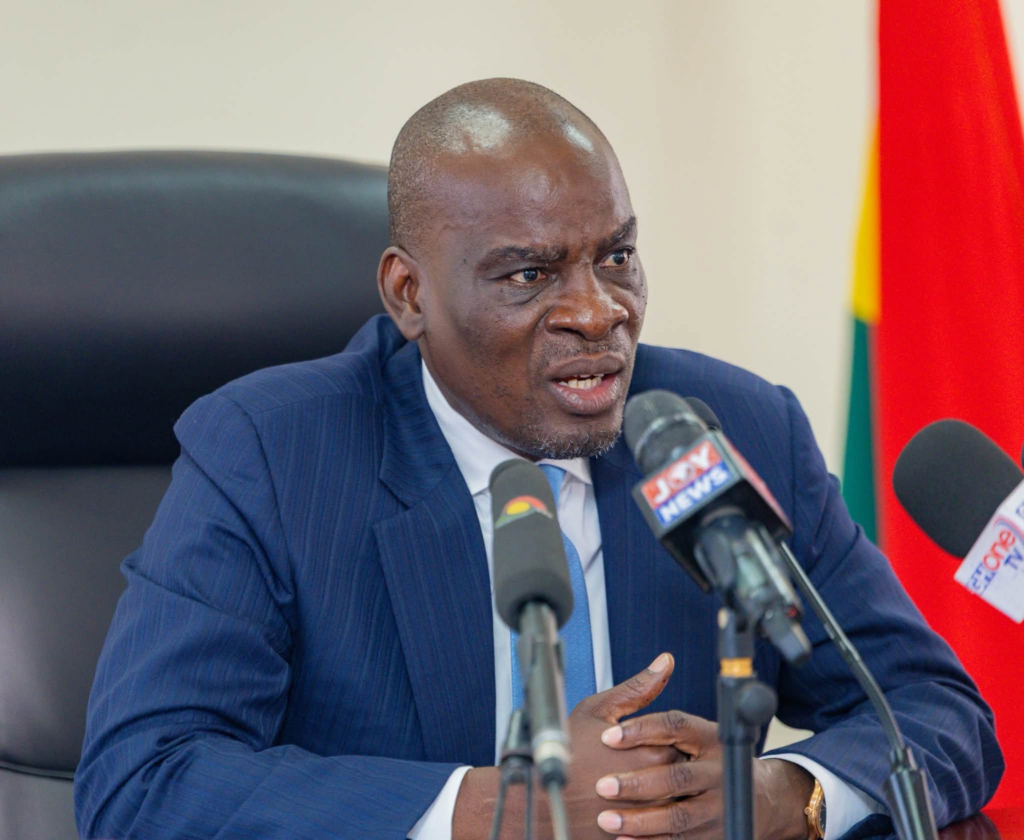
The Government of Ghana has announced a significant expansion of educational support through the amended Ghana Education Trust Fund (GETFund) Act, allocating dedicated resources to learners with special educational needs nationwide. This policy shift, unveiled by Minister for Education Haruna Iddrisu, represents a pivotal step toward building a more inclusive education system that guarantees equitable access to quality learning opportunities for all children, regardless of physical or cognitive differences.
The initiative addresses a longstanding gap in Ghana’s educational framework where students with disabilities have frequently encountered financial barriers that limit their access to appropriate learning environments and support services. By assuming direct responsibility for feeding costs in public special and integrated schools, the government seeks to eliminate a critical operational challenge that has periodically disrupted educational continuity for vulnerable student populations.
According to Minister Iddrisu, the legislative amendments to the GETFund Act were initially motivated by the need to secure sustainable financing for the Free Senior High School (Free SHS) program, particularly addressing chronic delays in the disbursement of feeding grants to educational institutions. However, during implementation, policymakers recognized that the revised funding mechanism could be expanded to serve additional educational equity objectives, particularly benefiting children whose learning requirements necessitate specialized interventions.
“This policy evolution reflects our growing understanding that true educational accessibility encompasses far more than mere physical access to school buildings,” Minister Iddrisu explained at the launch ceremony. “It requires ensuring that once enrolled, students receive the comprehensive support necessary to thrive academically, socially, and emotionally – including reliable nutritional provision that enables consistent attendance and concentration.”
Under the revised arrangement, GETFund will now cover the full cost of meals for all students enrolled in government-operated special education institutions and integrated learning environments. This change removes uncertainty that has historically plagued school administrators, who previously faced potential delays in receiving government warrants before being able to provide meals to students. The new system guarantees uninterrupted nutritional support throughout the academic year, a factor that educational researchers consistently identify as fundamental to learning readiness and cognitive development.
The minister emphasized that this intervention aligns with broader governmental commitments to promote equality, dignity, and social inclusion within educational settings. “Access to quality education must not be contingent upon a child’s physical abilities or their family’s economic circumstances,” Iddrisu stated. “Every learner possesses inherent worth and potential that deserves cultivation through appropriately resourced educational pathways.”
Beyond immediate nutritional support, the policy signals a recognition of the multifaceted nature of special education needs, which often require comprehensive support systems encompassing therapeutic services, specialized learning materials, and educator training. While the current initiative focuses specifically on feeding programs, officials indicate that future expansions may address additional components of comprehensive special education provision. This holistic approach to student wellbeing complements parallel efforts in educational institutions to address mental health concerns, which represent an important dimension of special needs provision for many learners (/usted-knust-host-sfa-foundation-team-for-neps-youth-mental-health-project-review).
The minister reiterated that the amended GETFund Act remains instrumental to the government’s strategy for ensuring the long-term viability of the Free SHS initiative, widely regarded as one of Ghana’s flagship educational policies. By stabilizing funding mechanisms for core educational services, the government aims to create fiscal space for targeted interventions that address specific equity concerns without compromising universal access objectives.
Educational advocates have welcomed the development as a meaningful step toward fulfilling Ghana’s obligations under international conventions concerning the rights of persons with disabilities, particularly Article 24 of the Convention on the Rights of Persons with Disabilities which mandates inclusive education systems at all levels. However, some observers note that successful implementation will require robust monitoring mechanisms to ensure that allocated resources reach intended beneficiaries and that supplementary support services continue to evolve alongside nutritional provisions.
As Ghana continues to refine its approach to educational equity, this initiative highlights an important principle: sustainable progress requires both universal programs that establish foundational access and targeted interventions that address specific disparities within the system. The challenge moving forward will be to maintain this dual focus while adapting to evolving understandings of what constitutes genuinely inclusive educational practice in the Ghanaian context.