Floods claim life along Alajo railway line as recovery efforts continue
Floods claim life along Alajo railway line as recovery efforts continue
Accra, Ghana — The discovery of a man’s body along the Alajo railway line has underscored the human toll of Ghana’s latest flooding disaster, as emergency responders continue recovery efforts amid widespread devastation.
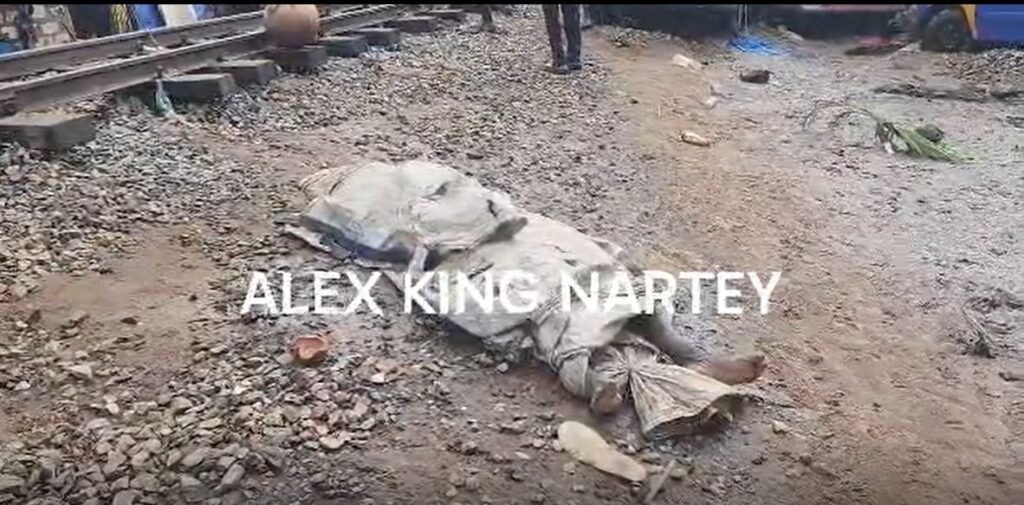
The body of a man believed to be in his 60s was found along the railway line at Alajo following heavy rains and flooding that affected parts of Accra on June 29, 2026. The discovery was made in the aftermath of floods that also caused extensive damage to vehicles and other properties in the area.
According to Assistant Division Officer One (ADO1) Alex King Nartey of the Public Relations Department of the Ghana National Fire Service (GNFS), the body appeared to have been washed ashore by floodwaters. Residents living near the scene were unable to identify the deceased and reported not knowing where he had come from.
The remains continue to await removal by police officers with a body bag for transport to the mortuary, highlighting the ongoing challenges faced by emergency services in managing the aftermath of the disaster.
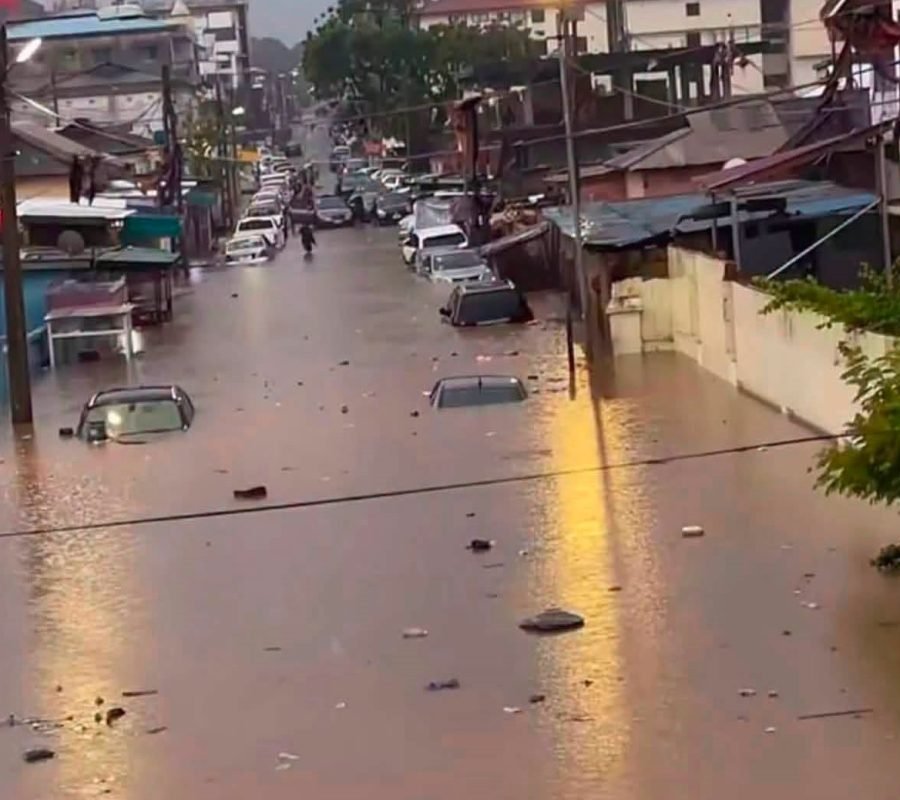
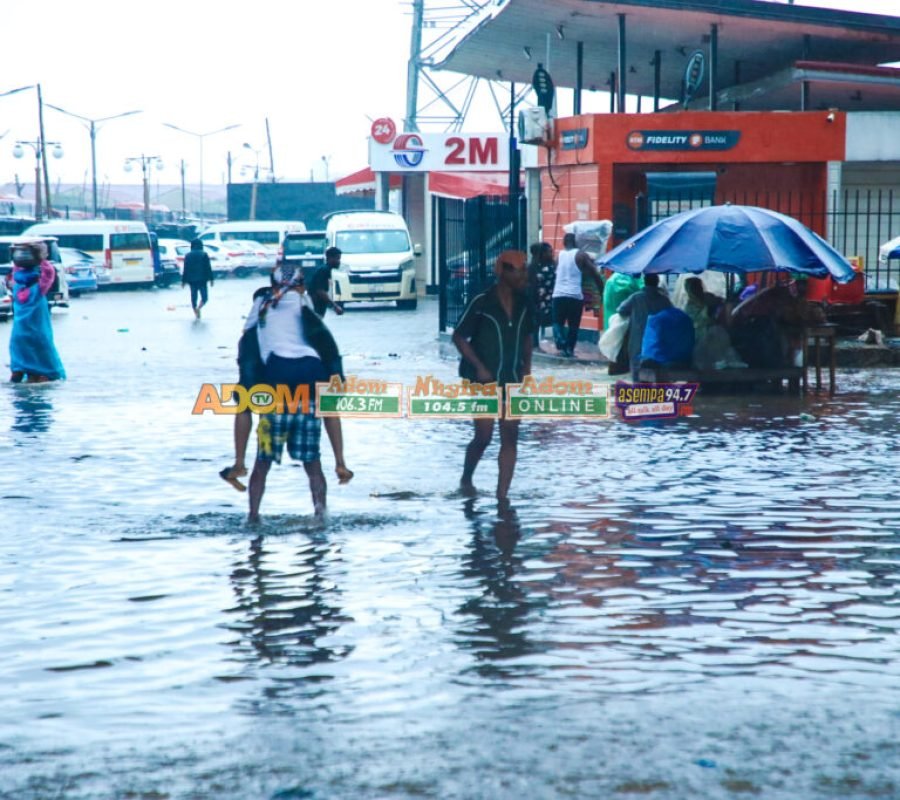
Beyond this tragic loss, the flooding has left a trail of destruction throughout Alajo, with several vehicles and other properties damaged after floodwaters submerged parts of the community. The incident adds to a growing list of casualties and property damage from what has become an all-too-familiar seasonal crisis.
The affected areas align with those previously identified in flood-related incidents, including the N1 Highway, Akenkwa, Achimota, Kaneshie, Weija, Spintex, Darkuman Junction, and the Kwame Nkrumah Interchange — major arteries that, when flooded, disrupt commerce and daily life throughout the capital region.
As emergency services continue their work, the discovery serves as a somber reminder of the human cost behind flood statistics and the urgent need for comprehensive flood mitigation strategies. While authorities focus on immediate rescue and recovery operations, questions persist about long-term infrastructure improvements and disaster preparedness measures.
The incident has prompted renewed calls for improved drainage systems, better urban planning to prevent construction in flood-prone areas, and enhanced early warning systems to give residents adequate time to evacuate or protect property when heavy rains are forecast.
As communities across Accra begin the difficult process of assessing damage and rebuilding, the loss of life along the Alajo railway line stands as a poignant testament to why flood resilience must remain a national priority — not just for economic reasons, but for the fundamental protection of human life and dignity.
For those affected by the flooding, emergency services continue to provide support and assistance, while reminding the public to avoid floodwaters whenever possible and to seek higher ground during heavy rainfall events.
Related reading:
- Church in Alajo flooded; residents trapped as water reaches neck level
- Man swims with horse through floodwaters as another rescues goat in Adabraka
- Interior Minister urges Accra residents to work from home as flooding intensifies
Image Source: MYJOYONLINE