Ghana's Flood Response Criticized as Institutional Failures Exacerbate Crisis

Ghana’s Flood Response Criticized as Institutional Failures Exacerbate Crisis
Accra, Ghana — As floodwaters recede from another devastating inundation of Ghana’s capital, the New Patriotic Party has launched a scathing indictment of the government’s approach to disaster management, accusing officials of prioritizing appearances over substantive action in the face of recurring crises.
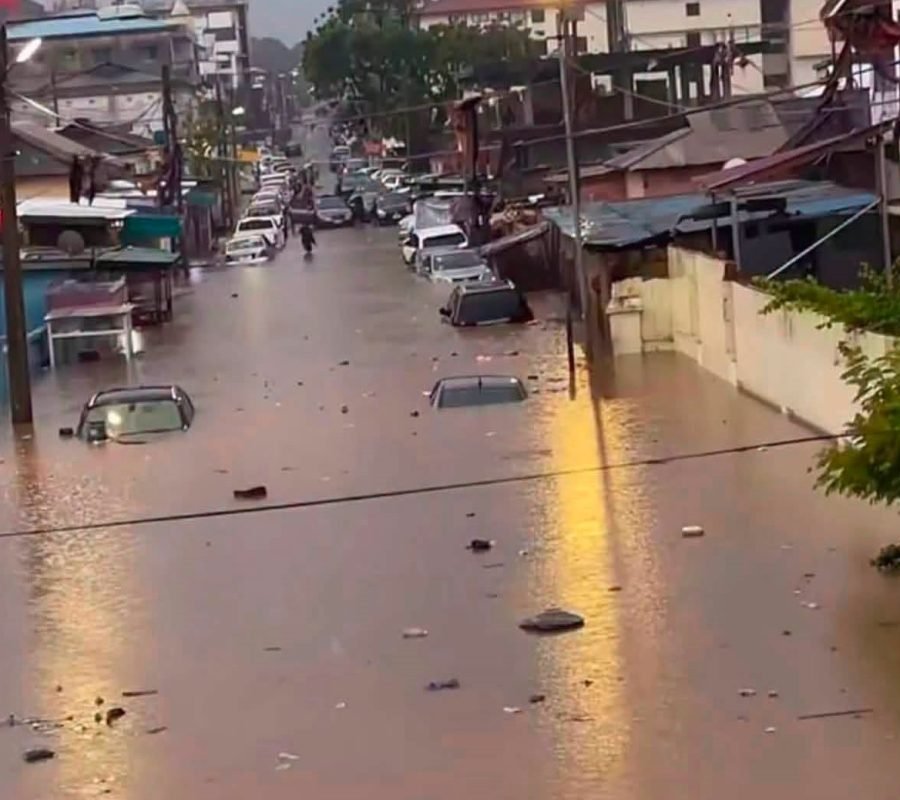
The opposition party’s critique, delivered in a press release following severe downpours that submerged parts of Accra on June 29, 2026, cuts to the heart of a persistent problem: despite annual promises and periodic interventions, the city’s flood defenses remain woefully inadequate, leaving residents to navigate the same familiar streets turned rivers year after year.
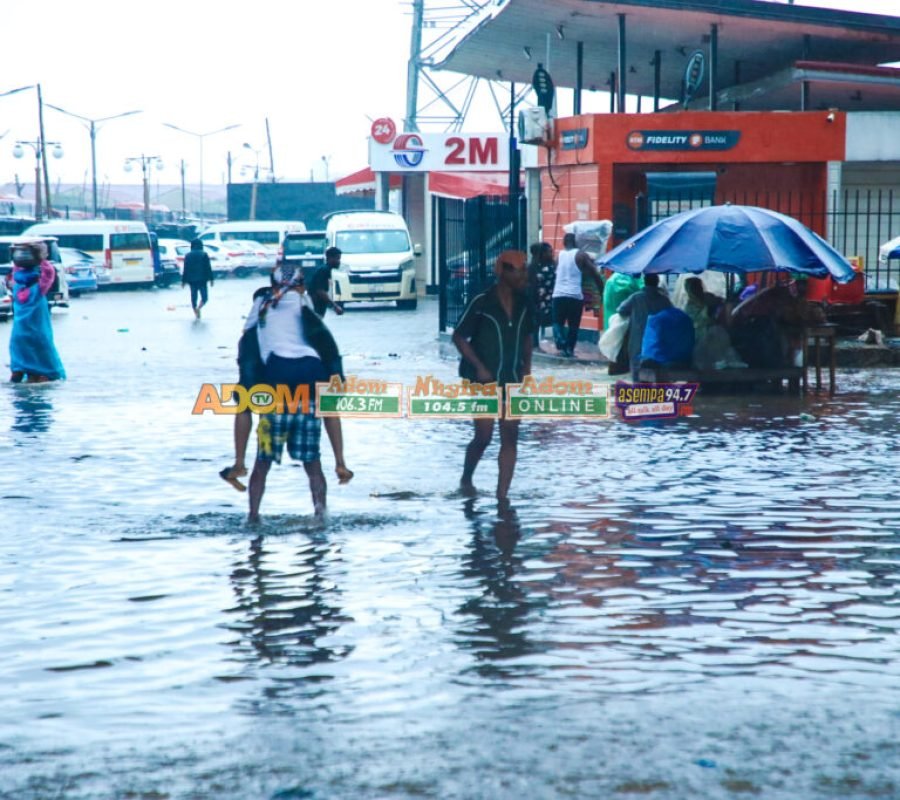
“The NPP lamented that the situation is rapidly turning into a recurring ‘June 3rd moment’, where ordinary citizens are left to wade through dangerous floodwaters on their way to work while watching their livelihoods wash away,” the statement read, referencing the historic 2015 disaster that claimed over 150 lives when a fuel station explosion compounded flood devastation.
This year’s flooding affected critical infrastructure across the metropolitan area, including the N1 Highway, Apenkwa, Achimota, Kaneshie, Weija, Spintex, Darkuman Junction, and the Kwame Nkrumah Interchange — arteries that, when paralyzed, bring the nation’s economic engine to a shuddering halt.
Rather than offering mere sympathy, the NPP directed its criticism at structural failures in governance. The party accused the administration of what it termed a “dereliction of duty by design,” arguing that responsibility for flood management is counterproductively split between the Ministry of Local Government and the Ministry of Works, Housing and Water Resources.
“This arrangement,” the statement contended, “is not a collaborative effort but a ‘turf war’ where two ministers are actively fighting for administrative space, media visibility, and political credit while the capital city drowns.”
The opposition further alleged that this institutional ambiguity renders neither ministry fully effective, as unclear jurisdictional boundaries prevent decisive action. More pointedly, the NPP challenged the decision to place Deputy Chief of Staff Stan Dogbe at the helm of disaster response coordination, noting his lack of formal ministerial authority, statutory power to compel ministerial action, or democratic mandate to lead such a critical national effort.
“It does not work. It has not worked. Accra is paying the price,” the declaration asserted, summing up a frustration that has become all too familiar to residents who watch flood preparations unfold with the urgency of a fire drill while actual infrastructure improvements remain perpetually pending.
The critique extended to financial commitments, with the NPP alleging that the Ministry of Finance has deliberately slowed the release of funds for flood mitigation programs under the guise of fiscal prudence — a claim that, if substantiated, would represent a profound misalignment of priorities in a nation increasingly vulnerable to climate-induced extremes.
Perhaps most controversially, the opposition rejected recent suggestions by the President that citizen indiscipline and poor environmental practices contribute significantly to the flooding problem. While acknowledging that improper waste disposal and construction in waterways exacerbate flooding, the NPP maintained that such factors cannot explain systemic failures in drainage infrastructure, watershed management, and emergency preparedness that have persisted across multiple administrations.
“The system itself has been fundamentally broken as part of the government’s ‘reset agenda’,” the statement concluded, calling instead for “immediate responsibility and deploy practical, high-level structural measures to safeguard life and property in the capital.”
As Accra dries out and residents begin the difficult process of assessing damage and rebuilding, the underlying question remains: without addressing the institutional and financial weaknesses identified by critics, will next year bring merely a repetition of this familiar, painful cycle? The answer, it seems, depends not on meteorological fortune, but on the willingness of those in power to transcend bureaucratic infighting and implement the sustained, coordinated investment that true flood resilience demands.
Related reading:
- ECG begins phased power restoration to Accra after flood shutdowns at key substations
- Children, elderly, and persons with disabilities prioritized in Ghana’s flood response
- Interior Minister urges Accra residents to work from home as flooding intensifies
Image Source: MYJOYONLINE