Greater Accra floods trap residents, cut roads off
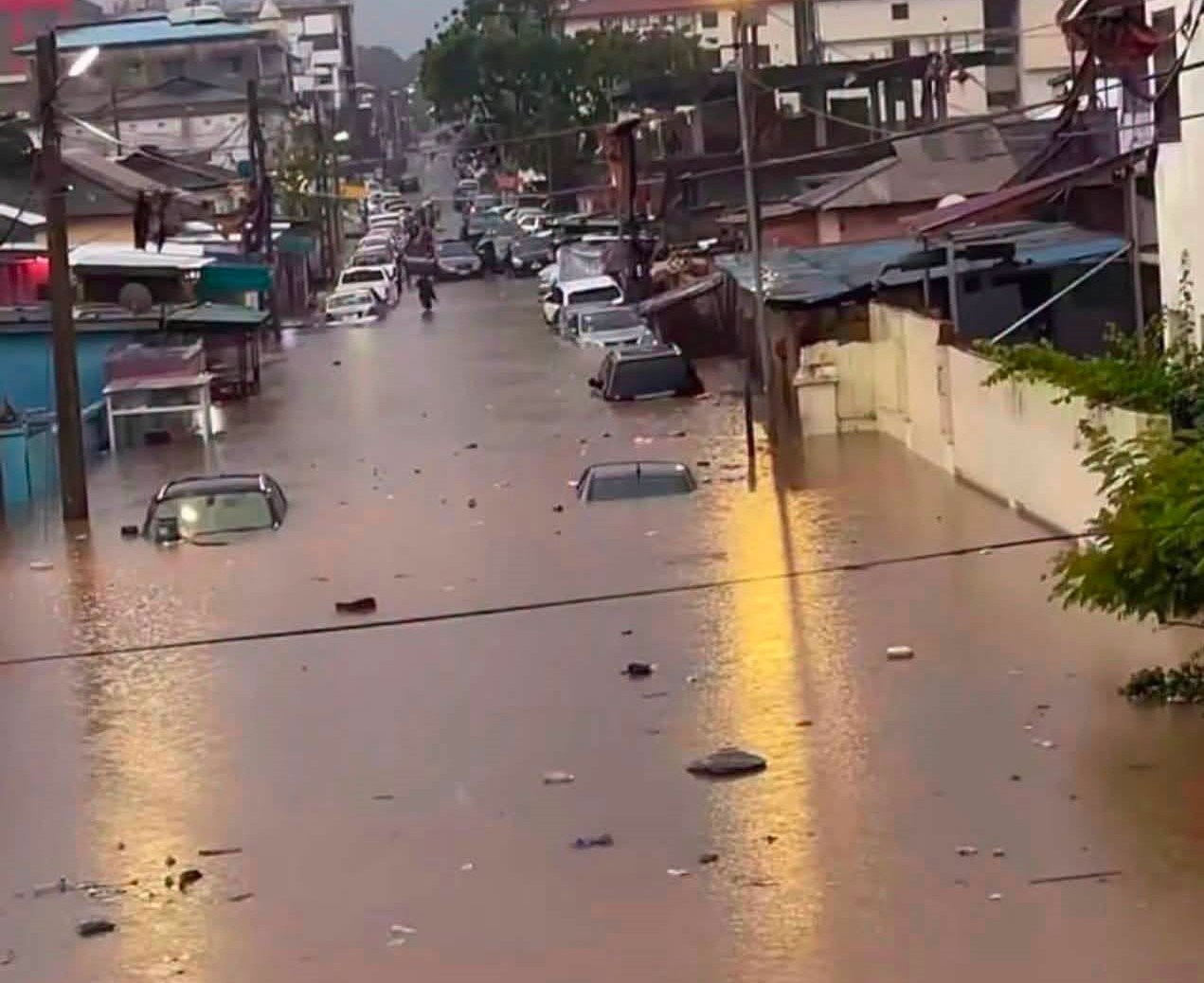
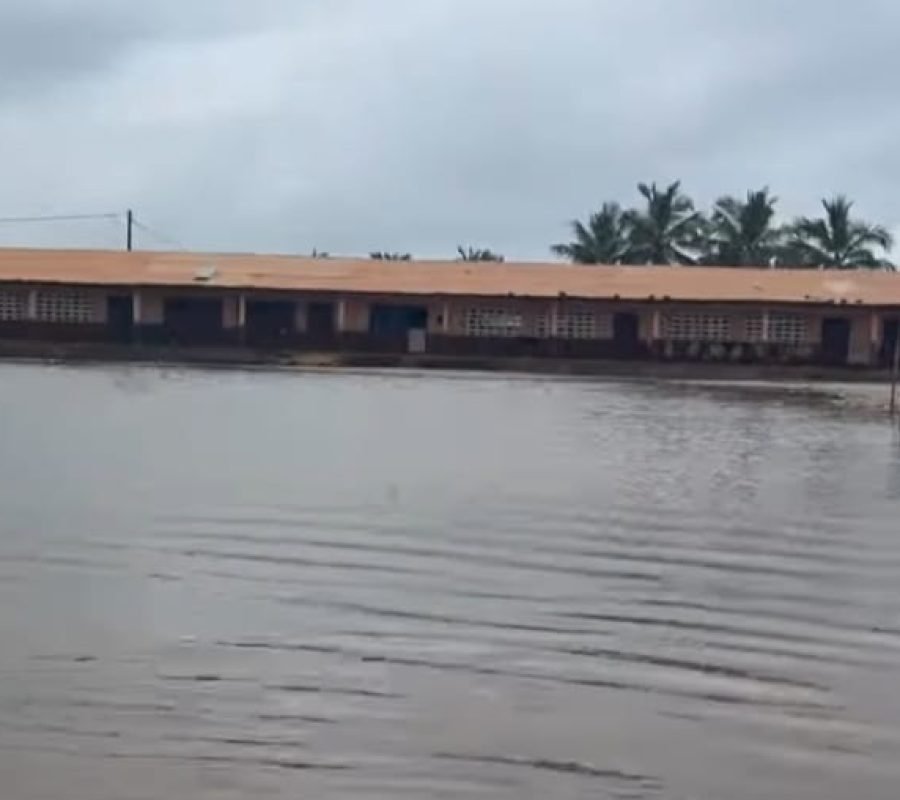
Continuous Monday downpour has caused widespread flooding across parts of Accra, Afienya, and Dawhenya, trapping residents in their homes and cutting off major roads in the capital.
Victims have called for urgent rescue assistance from the National Disaster Management Organisation (NADMO) as floodwaters inundate homes and disrupt movement across the city. A video sighted by the Ghana News Agency showed neighbours swimming through dangerous floodwaters above neck level to rescue people trapped in rooms after floodwaters submerged houses to window level, highlighting the severity of the situation.
Many communities across the capital have been submerged, with floodwaters rendering key roads impassable and disrupting vehicular traffic on vital arteries. Monitoring by the Ghana News Agency indicated that the Weija-Kasoa Road was completely blocked, while sections of the N1 Highway were heavily submerged. The area around Fiesta Royale Hotel was flooded, and the stretch from the Ghana Standards Authority to Shiashie was partially blocked, leaving only one lane accessible to motorists. The Atomic Roundabout was also flooded and impassable, with the Legon-GIMPA By-Pass Road blocked around the new Law School building, further complicating transportation.
Alajo, a community frequently affected by flooding, was among several neighbourhoods inundated by the heavy rains. Authorities are urging motorists and pedestrians to avoid flooded roads and exercise extreme caution as the rains continue. NADMO has advised the public to remain alert and observe essential safety measures to prevent the loss of lives and property, including unplugging electrical appliances immediately if water enters homes to minimise the risk of electrocution, remaining indoors where it is safe to do so, and moving to higher ground whenever water levels begin to rise.
The organisation also cautioned the public never to walk, swim, or drive through floodwaters, warning that moving water can be deeper and more dangerous than it appears. Residents are encouraged to keep emergency numbers readily available and call 112 in the event of an emergency requiring immediate assistance.
These developments come as the government outlined aggressive anti-flood measures, including massive desilting operations and the construction of new drainage channels aligned with natural water pathways, to address the recurring crisis. The situation in areas like Alajo underscores the persistent vulnerability, as evidenced by recent reports of a church in Alajo flooded with residents trapped as water reached neck level, a stark reminder of the human toll.
The flooding underscores the need for coordinated action, as emphasized by the Interior Minister’s urging for Accra residents to work from home during periods of intensified flooding, a measure aimed at reducing exposure to dangerous conditions while maintaining economic activity. Such proactive steps, combined with infrastructure improvements, are critical to building resilience against increasingly frequent and severe weather events linked to climate change.
Image Source: GHANA BUSINESS NEWS