Current economic conditions do not justify tariff increases – GUTA President
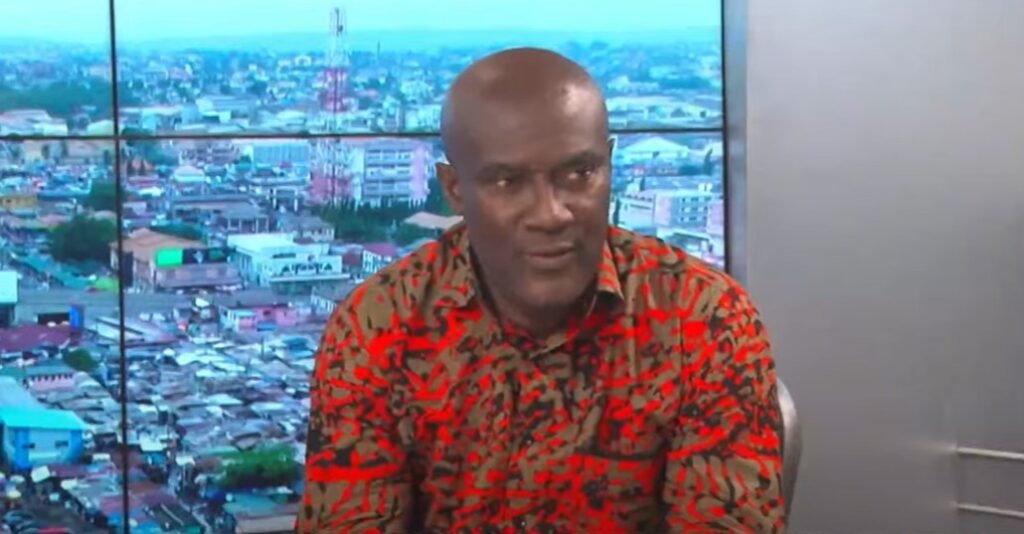
Accra, Ghana – The President of the Ghana Union of Traders’ Associations (GUTA) has challenged the Public Utilities Regulatory Commission’s (PURC) justification for recent utility tariff increases, arguing that current economic conditions do not warrant the adjustments.
Speaking in an interview on Joy FM’s midday news on Thursday, June 25, Clement Boateng criticised the recent increases in electricity and water tariffs, stating that the reasons provided by PURC do not align with the prevailing economic reality.
“It is not about simply opposing tariff increases because we all know that utility companies need money for their operations. What we are saying is that when you examine the reasons they have provided, the current situation does not support the basis for these increases,” Boateng said, highlighting a growing disconnect between regulatory justifications and economic fundamentals.
The tariff review announced by PURC for the third quarter raised electricity tariffs by 3.49% and water tariffs by 0.85%, effective July 1 (this announcement), a move the regulator attributed largely to exchange rate pressures despite declining inflation and stable generation levels.
Boateng pointed to PURC’s attribution of the tariff hike to exchange rate pressures, noting that the depreciation of the cedi between April and May was only 4.18%, which he described as insignificant and insufficient to justify the magnitude of the increase.
“It is true that the exchange rate has experienced some depreciation recently. Between April and May, the average depreciation was about 4.18 per cent. We believe this is insignificant and does not call for an increase in utility tariffs,” he stated, questioning why PURC would raise tariffs despite declining inflation and stable electricity generation levels.
The GUTA President urged regulators and utility providers to address operational inefficiencies rather than passing costs onto consumers through tariff increases.
He cited significant losses within the Ghana Water Company (51-52%) and the electricity distribution sector (32%), attributing them largely to theft, illegal connections and wastage.
“If you take Ghana Water Company, for instance, they are recording operational losses of between 51 and 52 per cent. In the electricity sector, operational losses are around 32 per cent. These losses arise from theft, illegal connections and wastage within the system,” he explained, advocating for a focus on loss reduction as a sustainable solution to the sector’s financial challenges.
Boateng also referenced a related article on exchange rate pressures, noting that the regulator’s stance has been previously discussed in the media (this explanation).
He concluded by urging PURC to reconsider its approach and prioritise evidence-based solutions that protect consumers while ensuring the viability of utility services.
Image Source: MYJOYONLINE