Ireland recommends decriminalising drug possession for personal use
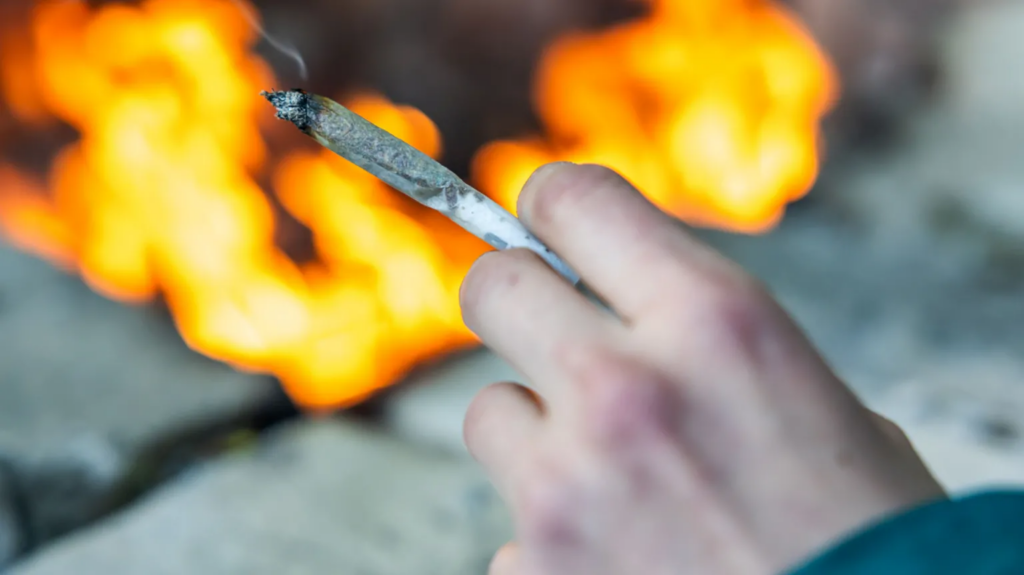
Ireland’s Oireachtas Committee on Drugs has recommended the decriminalisation of possession of all drugs for personal use, marking a significant shift in the nation’s approach to substance abuse policy.
The committee published its final report on Wednesday following months of consultations with experts, witnesses, and stakeholders. Established to consider the recommendations of a 2024 Citizens Assembly on Drug Use, the group concluded that the state should adopt a comprehensive health-led response to personal drug possession, moving away from criminal penalties.
“The committee recommends decriminalisation of the person in relation to possession for personal use,” the report states. This aligns with the Citizens Assembly’s earlier recommendation that drugs be decriminalised for personal use.
While committee members believe decriminalisation for personal use is unlikely to increase overall drug consumption, they acknowledged evidence from a small number of jurisdictions where such policies led to a rise in public consumption. To address this, the committee advises local authorities to implement byelaws similar to those restricting public alcohol consumption, aiming to discourage and reduce drug use in public spaces.
The report further recommends updating Irish law to authorise mobile consumption facilities and designated consumption sites. These would serve as harm-reduction measures, providing safe environments for drug users while reducing street-level consumption.
Emphasising a broader public health strategy, the committee calls for national prevention and harm-reduction campaigns promoting “sensible drug use” to reduce harm and save lives. It also urges an end to short prison sentences for non-violent drug-related offences, advocating instead for a health-led approach that supports recovery and enables primary caregivers to care for their children.
Highlighting the interconnected harms of drug use and drug policy, the committee stresses that both must be addressed urgently through a whole-of-government approach integrating health, education, and justice strategies. It specifically recommends significantly increasing funding for community-based services and expanding residential treatment options.
Although the current programme for government does not pledge to decriminalise drugs for personal use — opting instead to divert those found in possession to health services — the government has committed to giving the committee’s report serious consideration.
Social Democrats TD Gary Gannon, who chaired the committee, described the report as “not a marginal adjustment” but a recognition that criminalising personal drug use has failed to reduce harm, with a different approach long overdue. Deputy chairperson Fianna Fáil Senator Mary Fitzpatrick noted that substances including cocaine, cannabis, prescription drugs, and new substances are now present in every Irish county, spanning villages, towns, and cities.
Taoiseach Micheál Martin acknowledged that over the past two decades, Ireland’s response to personal drug possession has been predominantly health-led rather than criminal. He cited 2025 statistics showing 15,422 cases of individuals seeking treatment for problem drug use, with cocaine addiction accounting for 42% of cases. While the government will weigh the report’s findings carefully, Martin cautioned that decriminalisation does not guarantee a reduction in consumption.
Irish Minister for Drugs Jennifer Murnane O’Connor clarified that full decriminalisation would effectively legalise personal possession, a stance contrary to the Citizens Assembly’s recommendation. She affirmed, however, that the government has agreed to divert those found in possession of drugs for personal use to health services, consistent with a health-led approach to drug policy.
As Ireland reevaluates its drug laws, the committee’s recommendations reflect a growing global trend toward treating substance abuse as a public health issue rather than a criminal justice matter, prioritising harm reduction, treatment, and social support over punitive measures.
Image Source: MYJOYONLINE