She Captures Humanity supports mothers at Pentecost Hospital in Madina
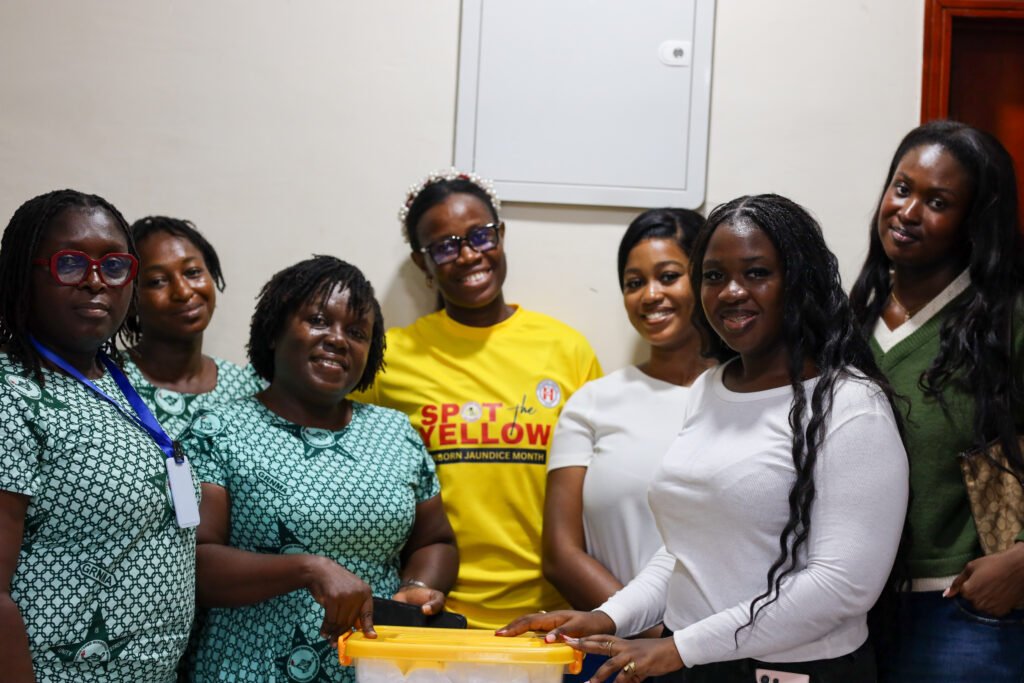
In the quiet corridors of Pentecost Hospital in Madina, a quiet revolution in maternal care unfolded on May 15, 2026. The humanitarian initiative She Captures Humanity, joined by The Smile Project, launched the Cesarean Awareness and Maternal Support Project—a timely intervention during Cesarean Awareness Month and Mother’s Day—to alleviate the burdens faced by women undergoing cesarean deliveries, particularly those from economically disadvantaged backgrounds.
The initiative emerged from a stark reality: while cesarean sections are a common surgical procedure worldwide, they often impose steep financial, physical, and emotional burdens on mothers, especially in low-income households. For many, the postoperative period becomes a precarious balancing act between recovery and survival, as medical expenses, medication costs, and basic necessities converge to create overwhelming pressure.
Over the course of a month, the organizing team mobilized resources through social media campaigns and community drives. Donations poured in from individuals, families, and corporate partners, enabling the assembly of essential care packages. These kits included sterile gauze, antiseptic solutions, intravenous fluids, hygiene products, infant care items, nutritious food supplies, clothing, and clean drinking water—each item selected to address immediate postoperative and infant care needs.
At 4:00 p.m. on May 15, the team arrived at Pentecost Hospital, where they were welcomed by Mrs. Ninette Adarkwah, Head of Nursing and Midwifery and Deputy Chief Nursing Officer, alongside maternity unit leaders. The distribution began in the postnatal recovery ward, where new mothers, still tender from surgery, received the care packages with quiet gratitude. The team then moved into the labor and delivery wards, engaging in conversations with mothers and observing the realities of childbirth in a resource-constrained setting.
A formal handover of the remaining supplies to the hospital’s maternity leadership followed. Representatives from both organizations expressed deep appreciation for the relentless dedication of the healthcare staff, urging them to persist in their vital mission. They emphasized that the community sees, values, and stands behind their efforts.
In turn, hospital officials offered a candid glimpse into the systemic challenges they face. Financial constraints, they revealed, frequently compel medical personnel to dip into their own pockets to cover patient expenses, assist with bill settlements, or facilitate early discharges for those unable to settle their dues. These revelations underscored a deeper truth: the strain on maternal healthcare infrastructure extends far beyond the delivery room.
The interactions left an indelible mark. Though some mothers, still recuperating from surgery, could not engage in lengthy exchanges, their smiles and gestures conveyed profound appreciation. The visit reinforced a critical lesson: sustainable maternal health outcomes depend not only on medical intervention but also on unwavering community solidarity.
Reflecting on the initiative, organizers described it as more than a charitable act—it was an exercise in empathy and listening. By engaging directly with mothers and healthcare providers, they gained invaluable insight into the gaps that persist in maternal care. The experience reinforced a compelling call to action: greater collaboration between NGOs, healthcare institutions, and local communities is essential to build resilient support systems for mothers, particularly during the vulnerable postpartum period.
The success of the Cesarean Awareness and Maternal Support Project hinged on the generosity of numerous contributors. Special recognition was extended to Minime GH for its substantial donation of maternal and infant supplies; Joy News and MyJoyOnline for amplifying the campaign through media outreach; Mrs. Edna Afia Kisseih (DDNS & Antenatal In-charge, 37 Military Hospital) and Dr. Nehemiah Robert Afrifa Osei for their expert guidance on maternal health; and individual donors including Mrs. Georgina Asare Fiagbenu, Mrs. Lovea Bandoh, Mrs. Lorraine Adjekai Crabbe, Ababio, and Joycecelli.
Equally vital were the volunteers—Karen Vanderpuye-Orgle, Kanyiti Musina Mahama, Roland Anane Mensah Goka, and Farida Bamba Amdaway—whose tireless efforts ensured the seamless execution of the initiative.
As maternal health challenges persist across Ghana, the organizers envision this project as a catalyst for enduring change. They hope it will inspire sustained partnerships, increased donations, and grassroots initiatives that prioritize the well-being of mothers—especially those navigating the complex journey of cesarean birth amid financial hardship.