The Accra floods: Hold the powerful accountable
The Accra floods: Holding the powerful accountable
The rains have returned to Accra, bringing with them the all-too-familiar devastation of flooding. What was once a seasonal inconvenience has evolved into a recurring humanitarian and economic crisis, exposing deep-seated governance failures that demand urgent accountability.
This is not merely an environmental challenge; it is a manifestation of systemic neglect in urban planning and regulatory oversight, a topic explored in depth in our previous analysis on public official accountability that sent shockwaves through the governance discourse.
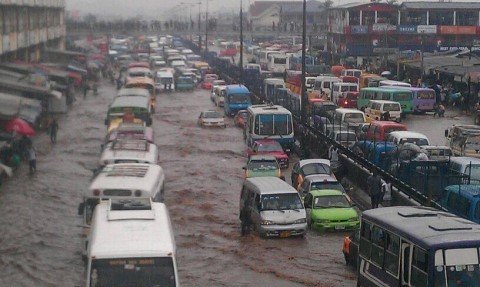
Recent downpours have transformed streets into torrents, inundating homes and businesses across neighborhoods including Ashongman, Adenta, Legon, Abokobi, Dome, Lapaz, Dzorwulu, Lakeside and beyond. The consequences are immediate and severe: residents stranded, property damaged, livelihoods disrupted, and lives endangered. This is not merely an environmental challenge; it is a manifestation of systemic neglect in urban planning and regulatory oversight.
At the heart of the crisis lies the encroachment upon natural waterways. Lands that once served as drainage corridors have been sold, filled, and repurposed for residential and commercial development. Critical watercourses have been partitioned or obstructed, sacrificing natural flood mitigation for short-term economic gain. This unchecked development has been facilitated by a regulatory framework that is either inadequate or not enforced.
Building permits continue to be issued in violation of spatial planning regulations, often without proper supervision during construction. Authorities tasked with overseeing development appear absent when structures are erected in flood-prone zones or when waterways are illegally blocked. The result is a landscape where concrete and earthen barriers divert water unpredictably, exacerbating flooding in vulnerable communities.
The human cost is profound. Families see their life savings — ranging from hundreds of thousands to millions of cedis — washed away in a matter of hours. Displacement becomes common, particularly for children and the elderly, while trauma lingers long after floodwaters recede. The cycle repeats with each rainy season, eroding public trust in institutions meant to protect citizens.
Accountability must extend beyond the physical removal of obstructing structures. While demolishing buildings built in waterways may restore some flow, it fails to address the root causes: who sanctioned these developments? Who profited from the sale of land in floodplains? Who approved permits despite clear violations? And who failed to enforce existing regulations?
As one resident lamented on social media, “even a mosquito crying in the airspace of Accra will cause flooding.” This dark humor underscores a grim reality: the city’s drainage capacity has been so compromised that minimal rainfall now triggers disproportionate consequences.
Solutions require more than infrastructural fixes. They demand courageous accountability — prosecuting those who illegally sell land in floodplains, scrutinizing officials who issue illicit permits, and enforcing development regulations without fear or favor. Natural drainage pathways must be restored, and future construction in vulnerable zones must be halted. Most importantly, citizen welfare must be prioritized over shielding the powerful.
Until those responsible for these governance failures face meaningful consequences, Accra’s residents will remain at the mercy of the rains, bearing the brunt of decisions made far from the flooded streets they call home.
Image Source: GHANA BUSINESS NEWS